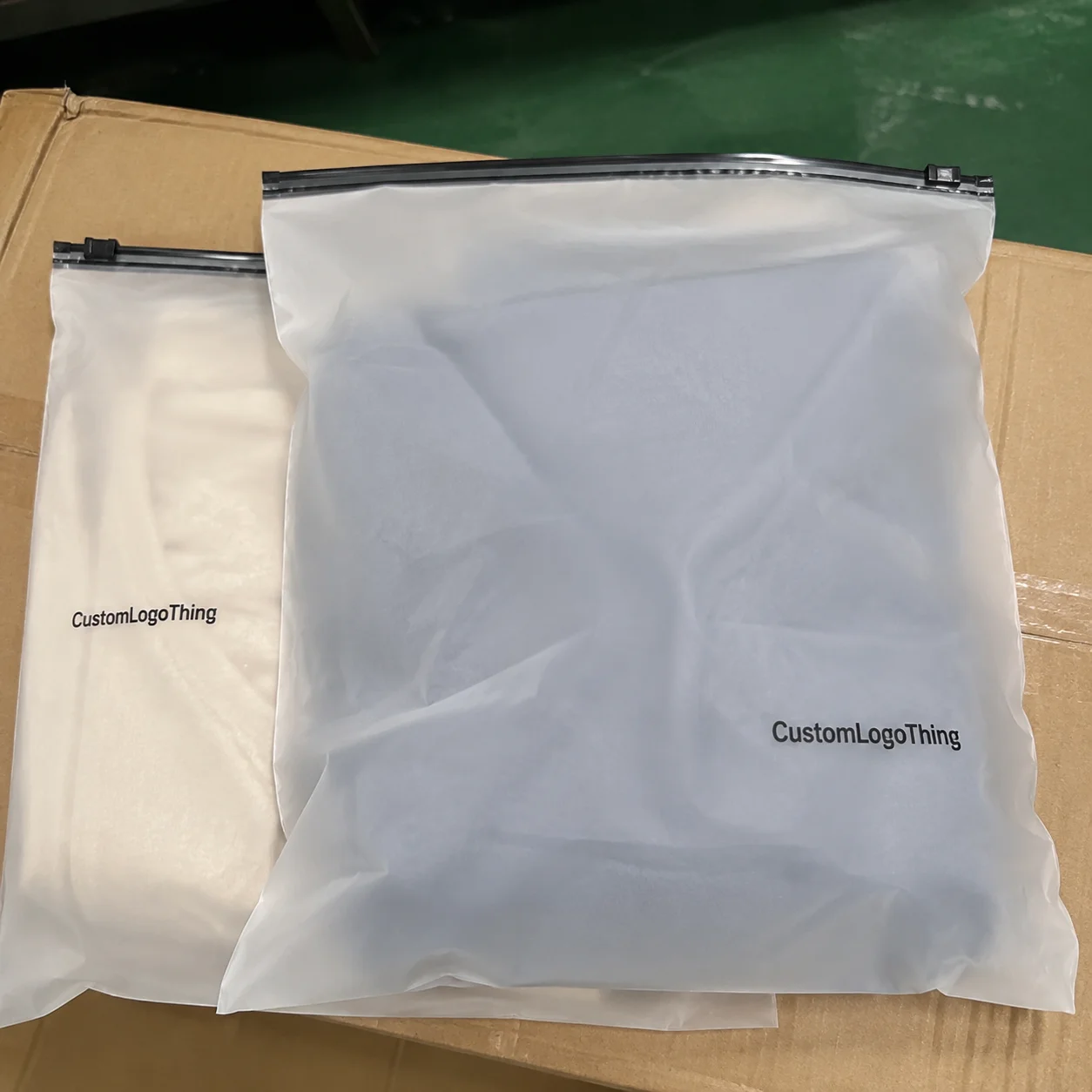
Printed PVC Zipper Garment Bags Quote for Tea Buyers
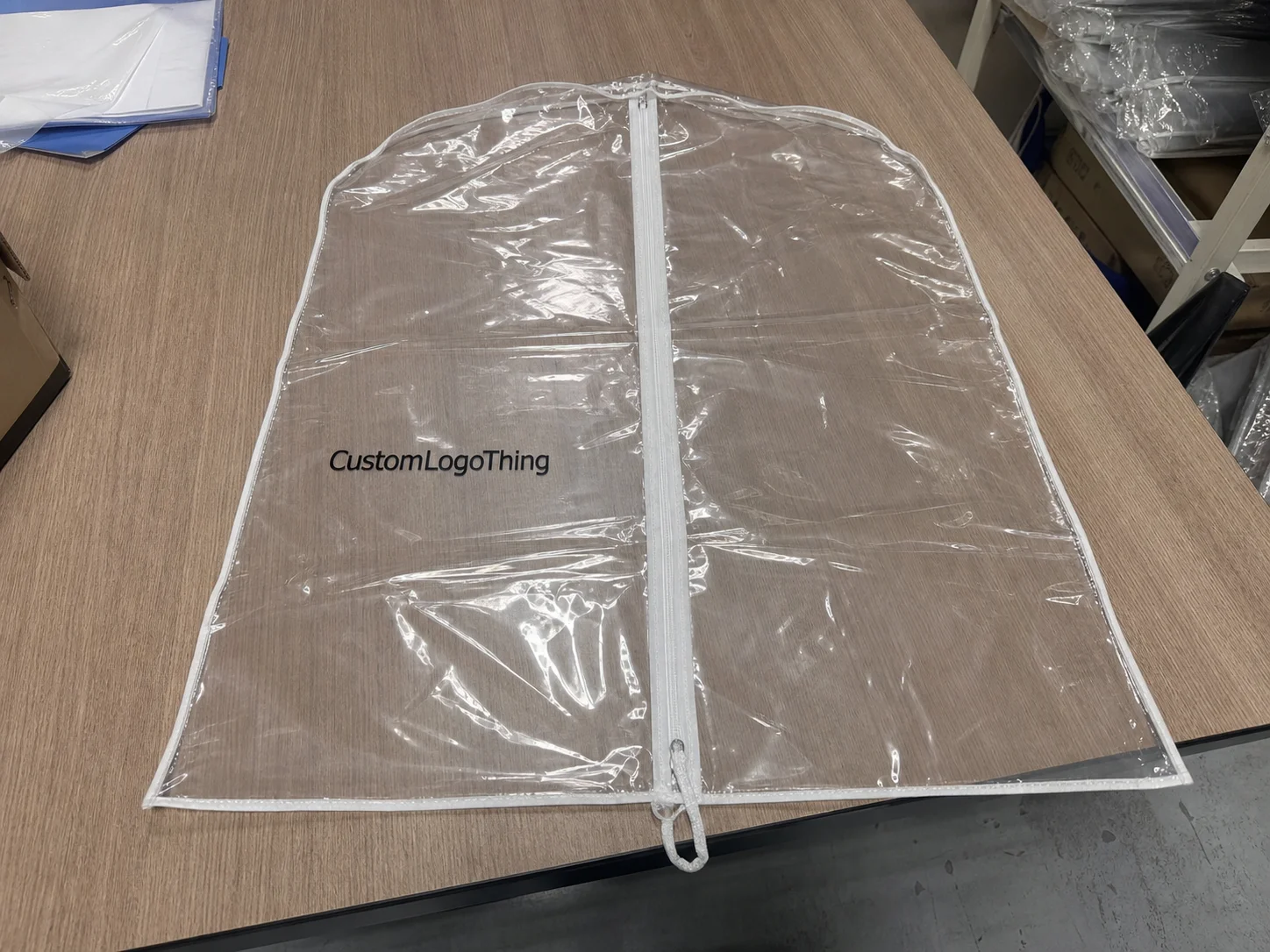
Tea gift sets, staff uniforms, robes, aprons, scarf sets, and branded retail garments get handled more than most buyers expect. Buyers requesting a printed PVC Zipper Garment Bags quote for tea usually need three things at once: clean presentation, moisture resistance, and a unit cost that still makes sense after freight and packing are added. Pretty catalog language does not help much if the zipper fails or the bag is too thin for the garment inside.
PVC Zipper Garment Bags are useful for tea brands because they solve a practical packaging problem. Apparel connected to tea launches, tea houses, hospitality programs, retreats, tasting events, and promotional campaigns needs to arrive folded, clean, visible, and ready to hand over. A loose garment in a thin poly sleeve may survive a quiet storeroom. It usually struggles once it goes through warehouse handling, courier delivery, event setup, and repeated “just checking the color” inspections.
The value is not only the bag itself. It is visibility, protection, reusable branding, and easier fulfillment. Clear PVC lets the robe, apron, shirt, scarf, or uniform show through. A printed logo makes the kit feel intentional rather than assembled at the last minute. A zipper keeps the garment contained. Add a handle or hanger slot and the same bag can work for retail display, gifting, wardrobe storage, or staff distribution.
There is a tradeoff. PVC gives better clarity and structure than many low-cost poly garment covers, but the material still needs the right thickness, zipper quality, and seam construction. A 0.10 mm bag with a weak zipper can feel like disposable packaging even if the logo is printed cleanly. A 0.25 mm bag with a smooth zipper, neat edges, and controlled print placement feels much closer to retail merchandise packaging.
Blunt rule: if a supplier gives a firm quote without asking for size, PVC gauge, zipper type, print coverage, quantity, and packing method, that quote is a guess wearing a tie.
Below are the practical details that shape price and quality: material thickness, construction style, printing method, artwork files, MOQ, timeline, shipping, and inspection points. The goal is a usable quote, not a vague number that changes after artwork review or sample approval.
Product Details That Matter Before You Buy
A custom PVC zipper garment bag is usually made from transparent or semi-transparent PVC panels with a zipper closure, printed branding, and optional features such as handles, hanger openings, reinforced seams, fabric trim, gussets, or custom sizing. The construction looks simple from a distance. It is not always simple to price correctly.
Tea buyers often use these Bags for Branded robes at retreats, event uniforms for tasting staff, tea ceremony apparel, retail aprons, scarf gift sets, spa robes, or apparel bundles tied to seasonal tea launches. If the garment is part of a gift, the bag matters more because the first layer of packaging sets the tone before the customer touches the product inside.
Most designs use front and back PVC panels, a zipper track, a zipper puller, and heat-sealed or stitched edges. Some add non-woven trim, fabric binding, reinforced handles, or a hanger slot near the top. A flat garment bag works for shirts, aprons, scarves, and light uniforms. A gusseted garment bag is better for thicker robes or multi-piece bundles. A handle bag is useful for retail carryout or event distribution, while a foldable zipper pouch can help e-commerce apparel kits fit into tighter cartons.
Visual style also matters. Clear PVC gives the strongest product visibility, which is useful if garment color, embroidery, woven labels, or folded presentation are part of the selling point. Frosted PVC gives a softer and calmer look, often better for premium tea gifting, though it reduces visibility. Printed branding can be as restrained as a one-color logo or as involved as a larger front-panel design with a repeating brand pattern.
Zipper choice changes the feel of the whole package. A standard nylon zipper is fine for basic use. A smoother premium zipper is better for retail gifting or repeated storage. Larger pullers help customers open the bag without pinching the PVC. Color-matched zipper tape can make the design feel more deliberate, especially for brands using black, cream, dark green, brown, burgundy, or muted gold identity colors.
- Flat garment bag: best for shirts, aprons, light uniforms, and scarves.
- Gusseted garment bag: better for robes, layered apparel sets, and thicker folded garments.
- Handle zipper bag: useful for retail handoff, tea events, and VIP gifting.
- Foldable zipper pouch: practical for e-commerce kits and compact shipping cartons.
Tea packaging should feel calm, clean, and intentional. Loud plastic noise, cloudy PVC, warped print, and a zipper that snags every few pulls work against that impression. PVC is also garment packaging, not food-contact packaging. If the bag will ship near tea tins, sachets, or other food products, confirm destination market requirements and keep the intended use clear. For broader packaging sustainability and waste guidance, buyers can review resources from the EPA Sustainable Materials Management program.
Specifications to Confirm Before Requesting a Custom Bag
A useful printed PVC Zipper Garment Bags quote for tea starts with exact specifications. “Standard size” and “normal thickness” are not specifications. Every production shop has its own version of standard, and those small differences affect material usage, carton volume, and final price.
Prepare the basics before asking for pricing: bag width, bag height, gusset depth, PVC thickness, zipper length, handle style, hanger opening, print method, print colors, order quantity, packing method, and delivery location. If you have a reference sample, measure it flat with a ruler and photograph the front, back, zipper, seams, handle, and any labels. Photos help with construction style; dimensions prevent confusion.
Size guidance for common tea apparel
Small folded garment bags for scarves, tea aprons, or thin promotional shirts often fall around 250 x 350 mm to 300 x 400 mm. Mid-size bags for staff shirts, uniforms, or folded jackets may run around 350 x 450 mm to 400 x 550 mm. Long garment bags for robes, dresses, ceremonial wear, or hanging uniforms can range from 500 x 900 mm to 600 x 1200 mm. These ranges are starting points, not fixed standards.
If the garment is folded, confirm how many folds will be used and how thick the stack becomes. A robe that measures modestly on paper can become bulky once folded, especially if it has a belt, collar, lining, or embroidery. Add a 40 mm to 80 mm gusset if the item has volume. Skip the gusset for flat apparel if you want a cleaner look and a lower unit cost.
PVC thickness ranges
PVC thickness has a direct effect on cost, structure, weight, and perceived value. Thinner PVC is cheaper and lighter. Mid-range PVC feels more retail-ready. Thicker PVC is better for reusable storage and premium gift sets, though it increases both unit cost and freight weight.
| PVC Thickness | Best Use | Buyer Notes |
|---|---|---|
| 0.10-0.15 mm | Light promotional apparel, short-term event use | Lower cost, less structure, not ideal for premium robes or repeated handling |
| 0.18-0.25 mm | Retail garment bags, tea uniforms, gift apparel | Good balance of price, clarity, and hand feel for most branded apparel |
| 0.30 mm and above | Reusable storage, premium gifting, heavier garments | Stronger feel, higher unit cost, higher freight weight |
For most branded tea apparel, 0.18 mm to 0.25 mm is the sensible range. It looks better than thin promo plastic without jumping into heavy storage-bag pricing. If the bag needs to be reused for months, or if the garment is heavy enough to pull against the seams, consider 0.30 mm or above and confirm that the zipper and handles are upgraded with it.
Printing and artwork requirements
Screen printing works well for simple logos, bold marks, and one to three solid colors. Gravure or full-panel printing can make sense for larger production runs with heavier coverage. Heat transfer or specialty methods may fit certain detailed designs, but they should be tested against PVC surface behavior, ink adhesion, and the final artwork style.
Send vector artwork whenever possible: AI, EPS, or editable PDF. Include Pantone references, exact placement, print size, and whether the logo appears on one side or both sides. A low-resolution PNG pulled from a website is not production artwork. It is a warning sign with pixels.
Seam and edge choices matter too. Heat-sealed seams are efficient and common for PVC bags. Reinforced stitching, fabric trim, or bound edges can improve perceived value and durability, especially around handles, zipper ends, and hanger openings. Small edits can change cost more than expected. Adding one inch to width, adding a gusset, or moving from a one-color mark to large two-sided coverage can change material yield, setup time, ink usage, and labor.
Pricing, MOQ, and Unit Cost Drivers
Pricing for custom printed PVC garment bags depends on size, PVC thickness, zipper quality, print coverage, number of print colors, order quantity, packing requirements, and shipping terms. One price does not fit every bag, even if two bags look similar in a quick photo.
As a directional range, basic custom PVC zipper garment bags at higher quantities may land around $0.45-$0.95 per unit for smaller or mid-size bags with simple one-color printing. Retail-ready bags with 0.18-0.25 mm PVC, better zipper tape, and moderate logo printing often sit around $0.85-$1.80 per unit, depending on size and order volume. Larger robe bags with gussets, handles, fabric trim, thicker PVC, or multi-color printing can move into the $1.80-$4.50+ per unit range before freight. These are practical planning ranges, not fixed offers.
MOQ exists because cutting material, setting screens, mixing ink, preparing zipper stock, and running machines do not become efficient for a handful of units. Custom printed PVC garment bags commonly require a production MOQ, often around 500 to 1,000 pieces for simpler styles and higher for complex prints or custom components. Very custom zipper pullers, unusual PVC colors, special trims, or full-panel artwork may push the practical MOQ higher.
Higher quantities usually lower unit cost because setup labor, printing screens, material sourcing, and changeover time are spread across more bags. Ask for tiered pricing at 500, 1,000, 3,000, and 5,000 pieces. The jump from 500 to 1,000 can be meaningful. The jump from 3,000 to 5,000 may be smaller, but it depends on material yield, print setup, and whether the order qualifies for more efficient production scheduling.
| Cost Driver | Typical Impact | Practical Buying Advice |
|---|---|---|
| PVC thickness | Medium to high | Use 0.18-0.25 mm for most retail tea apparel; go thicker only when reuse or heavier garments justify it. |
| Bag size and gusset | High | Confirm folded garment size before quoting. Oversizing wastes material and carton space. |
| Print colors and coverage | Medium to high | One-color logos are efficient. Large coverage and two-sided print add setup, ink, and inspection time. |
| Zipper and puller style | Low to medium | Upgrade the zipper before adding decorative extras. Bad zippers ruin good bags. |
| Packing method | Low to medium | Individual polybagging, barcode labels, inserts, and custom carton marks add labor. |
| Freight method | High | Compare landed cost, not only factory unit price. Carton volume matters. |
Common price adders include thicker PVC, colored zipper tape, custom zipper pullers, gusseted construction, fabric binding, two-sided printing, metallic ink, individual polybagging, carton labeling, rush production, and special inspection requirements. A metallic gold logo can look excellent for tea gifting. It can also require extra adhesion testing to avoid peeling or scuffing. Pretty does not excuse failure.
Sample cost is different from bulk cost. A pre-production sample may feel expensive per piece because it carries setup and labor that cannot be spread across thousands of units. That sample can prevent thousands of dollars of bulk mistakes. For a garment bag quote, ask for sample cost, sample lead time, bulk unit cost, carton details, and estimated freight in the same request.
Compare landed cost, not just factory unit cost. Freight, duties, carton volume, delivery method, and warehouse handling can turn the cheapest quote into the most frustrating quote. If you want Custom Logo Things to price multiple quantities and shipping options, send your specs through Contact Us and ask for tiered pricing.
Production Steps, Timeline, and Lead Time
The production path is straightforward once the specifications are complete: inquiry, spec confirmation, artwork review, formal quotation, sample approval, deposit, material preparation, printing, cutting, sealing or sewing, quality inspection, packing, and shipping. Skip a step and something usually gets expensive later.
Quote speed improves when buyers provide the essentials upfront: size, quantity, artwork, PVC thickness, zipper style, destination, and deadline. A clear request can often be quoted quickly. A vague request creates a chain of back-and-forth emails about details that should have been included at the start.
Typical timing depends on complexity and production load. Quote preparation can often be completed within one to two business days for standard requests when specs are clear. Sampling may take about 5-10 business days for a physical pre-production sample, depending on print method and material availability. Bulk production often runs around 15-30 business days after sample approval and deposit, with larger or more complex orders taking longer.
Artwork approval is a common bottleneck. Blurry logo files, missing Pantone colors, vague placement instructions, and internal approval chains slow everything down. The factory can move quickly only after the job is defined clearly. Build buffer time if the bag supports an event date, tea launch, retreat, or retail delivery window.
Sample options
- Digital mockup: confirms logo placement, approximate scale, and general layout.
- Material swatch: shows PVC thickness, clarity, frosted finish, zipper tape, and trim options.
- Physical pre-production sample: confirms final size, construction, zipper feel, print position, and packing method.
Rush production may be possible for simple one-color logos, standard PVC thickness, and existing zipper colors. It is less realistic if you want custom zipper pullers, unusual PVC tint, full-coverage artwork, special packaging, or multiple approval rounds. Air freight is faster but expensive. Sea freight is cheaper for larger volumes but slower. Express courier works for samples or smaller urgent runs, but bulky cartons can push the cost up quickly.
For shipping performance testing and transit packaging standards, buyers can review ISTA guidance. Garment bags are flexible products, but carton strength, compression, moisture exposure, and packing method still affect how they arrive.
Quality Checks That Separate Good Bags from Cheap Trouble
Good custom PVC zipper garment bags are not judged only by the first photo. They are judged by how they open, fold, ship, and look after real handling. Quality checks should cover material thickness tolerance, clarity, odor level, zipper smoothness, seam strength, print registration, logo color accuracy, and carton packing.
Zipper testing is basic but often underweighted. The zipper should open and close smoothly without catching, splitting, or pulling the PVC panel out of shape. A beautiful bag with a bad zipper is just a clear plastic disappointment. Test several bags from different cartons, not one perfect sample from the top of the stack.
Seam durability matters around stress points: handles, zipper ends, hanger openings, gusset corners, and bottom edges. Heat-sealed seams should be even, not thin in one area and over-melted in another. Stitched seams should look intentional and hold under normal use. If the bag will carry a robe, belt, folded card, or other insert, the sample should be tested with the actual packed weight.
Print inspection deserves the same attention. Logos should not smear, crack, peel, or shift outside the approved placement. Pantone matching should be checked under consistent lighting, not under random warehouse bulbs that make every beige look like soup. If exact brand color matters, state the tolerance before production and confirm whether the print will sit on clear PVC, frosted PVC, or a colored panel, since the base material can change how ink appears.
Material appearance should be clean. PVC should not arrive cloudy, deeply wrinkled, scratched, greasy, or heavily creased before the customer ever uses it. Some light handling marks can happen with flexible PVC, especially on clear surfaces, but heavy defects should be rejected based on agreed standards. Odor can also vary by material and production method, so buyers with premium gifting programs should ask about ventilation time and packing timing.
Packing quality protects the work already done. Bags may be packed flat or folded according to buyer requirements. Flat packing reduces crease risk but increases carton size. Folded packing saves space but can leave crease lines if the material is thick or packed too tightly. Carton strength should match the shipment method, especially for sea freight or long warehouse transfers. If barcode labels, carton marks, assortment labels, retail inserts, or outer polybags are needed, define them before production starts.
Custom Logo Things can support production samples, in-line inspection, final random inspection, carton labeling checks, and photo documentation where required. For larger runs, use an acceptable quality limit approach based on practical defect categories. ASTM standards are often referenced across packaging materials and test methods, but the main point is simpler: define what counts as critical, major, and minor before cartons are sealed.
Do not assume. If logo placement, zipper color, bag fold method, carton label format, or retail packing matters, put it in writing before manufacturing starts.
Next Steps to Get an Accurate Custom Garment Bag Quote
Getting an accurate quote is not complicated. It just requires actual details. Before contacting a supplier, prepare the bag dimensions, garment type, quantity, PVC thickness preference, zipper color, handle or hanger requirements, logo file, number of print colors, delivery address or port, and deadline.
Reference photos help. A picture of the construction style can prevent five rounds of emails about a gusset, zipper direction, handle cutout, or hanger slot. If you already have a bag you like, photograph the front, back, zipper, seam, handle, and any labels. Measure it flat. Send those details together rather than scattering them across separate messages.
Ask for tiered pricing, sample cost, bulk lead time, shipping estimate, carton details, and payment terms in the same inquiry. A single unit price without sample terms or freight estimate is only half useful. Sometimes less.
Also ask for material recommendations instead of guessing. Tell the supplier whether the bag is for one-time retail presentation, repeated wardrobe storage, e-commerce fulfillment, staff uniform distribution, or premium gifting. The right recommendation changes based on use. A tea house handing out staff aprons has different needs than a luxury tea retreat packaging guest robes.
After submission, Custom Logo Things reviews the specs, flags cost-saving options, checks artwork feasibility, prepares a quote, and recommends the most practical production route. That may mean reducing oversized dimensions, using 0.20 mm instead of 0.30 mm PVC, switching from two-sided print to one-sided print, or using a standard zipper color to keep cost under control. The best quote is not always the cheapest line item; it is the one that fits the garment, protects the presentation, and avoids preventable changes after sampling.
If you are ready to price a custom run, send the details through Contact Us. Include your artwork if available, even if it is not final. Early artwork review can catch print problems before they become production problems.
For a Printed PVC Zipper Garment Bags quote for tea, send the specifications above and ask for practical options by quantity, material thickness, and shipping method. The goal is simple: a bag that protects the garment, fits the brand, and lands within budget without surprise charges later.
FAQ
What details do I need for a printed PVC zipper garment bag quote for tea merchandise?
Provide bag size, quantity, PVC thickness, zipper color, handle or hanger opening requirements, logo artwork, print colors, delivery destination, and target deadline. If you are packaging robes, uniforms, aprons, scarves, or gift garments, mention the item type so the bag size, gusset, and thickness can be matched correctly.
What is the usual MOQ for custom printed PVC zipper garment bags?
MOQ depends on size, material, printing method, and customization level, but custom printed bags usually require a production run large enough to justify setup. For many standard PVC zipper garment bags, 500 to 1,000 pieces is a common starting range, while complex materials or printing may require more. Ask for tiered pricing at multiple quantities so you can compare the real unit cost difference between low and higher volumes.
Which PVC thickness is best for tea gift apparel or branded uniforms?
Light promotional use can work with thinner PVC around 0.10-0.15 mm, while retail gift apparel usually looks better in the 0.18-0.25 mm range. For reusable garment storage, heavier PVC at 0.30 mm or above is worth considering because it improves structure, durability, and perceived value.
Can detailed tea brand artwork be printed on PVC zipper garment bags?
Yes, but the best printing method depends on artwork complexity, color count, coverage area, and order quantity. Vector artwork with Pantone color references gives the cleanest result. Low-resolution images slow quoting and increase the chance of poor print output.
How long does it take to produce custom PVC garment bags with zippers?
Timing depends on sample approval, material availability, print complexity, quantity, and shipping method. A typical order includes artwork review, sample production, bulk manufacturing, quality inspection, packing, and freight. Rush options may be available for simple designs using standard materials and one-color printing.
Need pricing for tea apparel, robes, aprons, scarves, uniforms, or gift merchandise? Send your specs through Contact Us and ask for tiered options by quantity, material thickness, and shipping method.