Private Label Custom Event Hats Supplier for Your Next Run
A good hat does more than carry a logo. It gets worn after the event, photographed in bad lighting, stuffed into bags, and dragged through a few more weekends than the buyer planned for. That is exactly why a Private Label Custom event hats supplier matters: you are not just buying headwear, you are buying a small product with its own fit, finish, and packaging problems.
If you treat the order like a quick giveaway, the result usually looks like one. If you treat it like a retail-minded merch item, even a modest run can feel sharper, sell better, and reorder cleaner. The difference is rarely dramatic on paper. It is usually hidden in the crown shape, stitch density, label placement, and the way the carton arrives.
Why Event Hat Programs Feel Bigger Than They Look
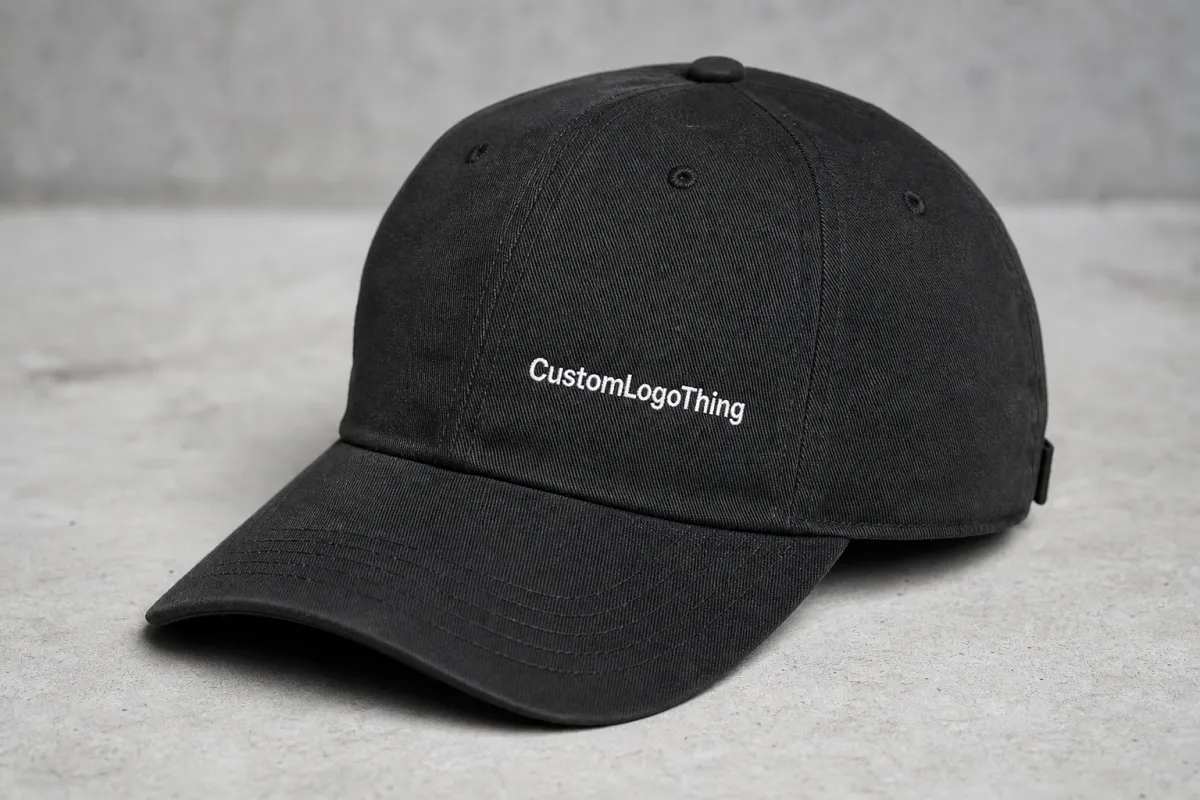
Hats are deceptively effective. A flyer gets glanced at. A tote gets used for groceries and then forgotten. A cap stays visible. It shows up in airport lines, coffee runs, tailgates, and the kind of candid photos people actually share. That gives even a small run more staying power than a lot of larger promo budgets.
Buyers often underestimate that reach because hats sit between two categories. They are promotional merchandise, but they behave like apparel. That means the order has to account for product feel, presentation, and repeatability, not just the logo on the front panel. A Private Label Custom event hats supplier should understand that split immediately. If they do not, the program usually feels generic by the time it lands.
The biggest mistake is trying to make one hat do everything. A conference giveaway, a sponsor gift, and a lifestyle merch drop do not need the same construction. Pick the audience first. Then narrow the style, decoration, and packaging to match. That keeps the order focused and avoids the "we added five custom features because we could" trap.
There is also a practical side to this. A hat that sits too high, collapses at the front panel, or prints too small reads as cheap even if the material cost was decent. A clean profile, stable fit, and readable decoration usually matter more than adding another embellishment. Buyers who understand that tend to get better-looking hats and fewer complaints.
How a Private Label Custom Event Hats Supplier Operates
The label on the website is not always the whole job. A supplier may manage the blank cap, decoration, labeling, packaging, inspection, and freight. Or they may coordinate several vendors and hold the production plan together. Either way, the buyer should know who owns the spec, who approves samples, and who is responsible when a carton count is off by 12 units.
The workflow is usually straightforward: brief, mockup, sample, approval, production, packing, shipment. The hard part is everything inside those steps. A competent supplier asks for the event date, target quantity, logo files, preferred hat style, decoration method, and packaging requirements before they quote. That sounds basic. It also saves a lot of back-and-forth later.
Private label changes the product more than most teams expect. An inside woven label, custom hangtag, belly band, printed insert card, or branded box shifts the item from promotional to presentation-driven. That does not mean every project needs all of it. It means the supplier should be able to tell you which elements actually improve the perceived value and which ones just inflate cost.
For projects where the hat is part of a larger branded presentation, the surrounding components matter too. A cap inside a plain polybag feels very different from the same cap in a labeled box with an insert card and a clean fold. That is why buyers often pair headwear with Custom Labels & Tags or broader Custom Packaging Products when the brand story has to hold together at unboxing.
If the sample looks right but the label is crooked, the buyer still notices. Private label lives in the details, not the brochure language.
Pricing, MOQ, and the Real Drivers Behind the Quote
Hat pricing is usually driven by the same few variables: base style, fabric, panel count, closure type, decoration method, and packaging. Change one of those and the quote moves. Change three and it becomes a different product.
A structured six-panel cotton twill cap with one-color embroidery will not price like a foam trucker with a woven patch, inside label, and custom printed carton. That sounds obvious until a buyer compares quotes that are not built on the same spec. If the quotes are not apples-to-apples, the cheapest one may just be the thinnest one.
MOQ changes the economics in a very predictable way. Lower quantities carry more setup cost per unit, so the unit price climbs. Higher quantities usually bring the price down, but only if the spec stays stable. A buyer ordering 100 pieces and a buyer ordering 5,000 pieces are not operating under the same production logic, and they should not expect the same price curve.
| Hat option | Best fit | Typical MOQ | Price signal |
|---|---|---|---|
| Structured six-panel cotton twill | Conference merch, sponsor giveaways, broad event use | 100-300 | Usually the cleanest balance of cost and finish |
| Five-panel camper or dad cap | Fashion-leaning drops, outdoor events, lifestyle brands | 100-500 | Often costs more if the crown shape is custom |
| Foam trucker cap | High-visibility promotions, summer events, louder branding | 250-1,000 | Low base cost, but print area and color count can add up |
| Premium private label build with label and box | Retail-style launches and VIP merch | 300-1,000 | Packaging can cost more than the decoration itself |
There are also the small costs people forget to include. Embroidery digitizing often lands around $25-$75 depending on stitch complexity. Samples can run $20-$60 and may be credited back if the order moves forward. Custom labels, carton inserts, hangtags, and freight all affect the real landed cost. If the supplier quotes custom boxes, ask whether the price includes the insert, the sleeve, or only the outer shell. Those are not interchangeable. They are not even close.
Packaging can hide a lot of cost creep. A plain cap in a polybag may be cheap to ship and easy to pack. Once you add a rigid box, tissue, label card, and branded sticker seal, the order starts behaving more like a retail SKU. That is fine, but it needs to be priced honestly. A strong supplier will explain where the cost is going instead of pretending the box is a minor detail.
Materials, Decoration, and Sample Checks That Actually Matter
Sample review is where expensive mistakes get exposed before production starts. A mockup can show colors and logo placement. It cannot tell you how the hat sits on a head, whether the front panel collapses, or whether the crown profile looks awkward from the side. Those are the things that make a piece feel premium or disposable.
Structured hats usually hold shape better and photograph more cleanly. Unstructured hats are softer and work better for casual campaigns. Five-panel caps give you a wider front area, which helps with bold artwork or a larger patch. Six-panel hats are more traditional and often easier for broad audiences to wear. Snapbacks handle sizing flexibility well. Strapbacks feel a little more restrained. None of those choices is universally better. The audience decides that.
Material matters more than most buyers want to admit. Cotton twill is a safe, durable baseline. Brushed cotton feels softer but can read more casual. Polyester blends can hold shape and color well, especially in performance settings. Foam fronts are useful when the design needs high contrast and a retro look. Mesh backs improve breathability, which is helpful for outdoor events or summer activation schedules.
Decoration choice is just as important. Embroidery gives texture and durability and works well for simple logos. Woven patches keep fine detail cleaner when the artwork is small or intricate. Silicone patches add a more modern look and handle color blocking well. Screen print can work on flat front panels, while sublimation makes sense on synthetic materials or graphic-heavy designs. If the goal is a premium private label look, a patch plus inside label usually does more than plain embroidery alone.
Here is the practical test: what will still look acceptable after 20 wears? Not after one perfect photo. After the hat has been sat on, folded, and worn in different light. That is the filter a knowledgeable Private Label Custom event hats supplier should use, even if nobody writes it into the spec sheet.
QC should cover more than decoration. Check seam alignment, crown symmetry, panel tension, closure hardware, sweatband comfort, and stitch consistency. Thread tension that looks fine from across the room can still pucker on close inspection. A patch that sits straight on one sample can drift on the next if the application jig is sloppy. Buyers do not need to run a factory. They do need to ask what gets checked before shipment and what the acceptable defect rate is.
There is also a documentation side to materials. If you are using paper inserts, hangtags, or belly bands, ask what stock is available and whether it can be sourced with FSC-certified paper. If the order is shipping through multiple handoffs, transit testing matters too. ISTA methods are worth discussing for higher-value packs. That does not mean every cap needs lab-grade packaging. It does mean the supplier should know how the product will move once it leaves the factory.
Lead Time From Brief to Delivery
Lead time is a chain, not a number. Briefing, artwork, mockups, sample approval, material sourcing, mass production, packing, inspection, and freight all take time. If one of those pieces slips, the calendar slips with it. A supplier who gives only a single production window is skipping part of the story.
A simple run with stock materials and basic embroidery may move from approval to shipment in roughly 12-18 business days. More involved private label builds can stretch to 20-30 business days before freight, especially if the order needs custom labels, patch work, and printed cartons. If materials are not in stock, the timeline can grow faster than anyone wants.
The most common delay is bad input. Missing vector art. Unclear Pantone references. Revisions after sample review. Late sign-off on a pre-production sample. None of this is mysterious. It is just messy. The buyer who sends clean files and makes fast decisions usually gets the best shot at hitting the event date.
Decoration method changes the pace. A one-color embroidery job on a stock cap is simpler than a patch-heavy program with branded tissue and printed boxes. That does not mean the simpler job is always better. It means the timeline should match the actual production path, not the mood board.
Freight needs its own reality check. Air freight can save a launch, but it can also swallow the savings from a lower unit price. Ocean freight lowers landed cost on larger runs, but it needs more buffer time and a little more patience. A supplier that promises a complex private label order in a weekend is not being helpful. They are being reckless.
Mistakes That Create Rework and Delay
The first mistake is quoting too early, before the use case is clear. A hat for a volunteer team needs a different approach from a hat for VIP guests or a retail-adjacent merch drop. Fit, breathability, and closure all change depending on the audience. If the buyer does not know who will wear it, the supplier is guessing too.
The second mistake is trusting mockups too much. A mockup is useful, but it is still a flat image. It does not reveal stitch density, fabric handfeel, logo scale in real life, or whether a dark thread disappears on a dark panel. It is a planning tool, not a final approval tool.
The third mistake is weak artwork. Low-resolution files make embroidery and small patches harder than they need to be. Vector files are the cleanest starting point. If the logo has gradients, thin strokes, or tiny type, ask the supplier which decoration method will preserve the shape instead of mangling it. That question saves time and prevents the awkward "technically yes, visually no" conversation later.
The fourth mistake is treating labels as an afterthought. If the project is private label, then the inside label, hangtag, carton marking, and insert card are part of the product. Skip them and the order may still be functional, but it will not feel like a branded item. That is where package branding becomes visible in the hand, not just in the deck.
The fifth mistake is not planning for repeat orders. If the first run goes well and nobody records the exact spec, the reorder turns into a new sourcing exercise. That means fresh approvals, fresh sample review, and a fresh chance for inconsistency. It is a waste of time, and usually a waste of budget.
The cleanest reorders usually come from the plainest briefs. Fancy language does not help if the spec is muddy.
How to Protect Margin and Repeatability
If the goal is better margin, the answer is not always "find the cheapest cap." Sometimes the smarter move is to narrow the spec so the same base style can be reused across multiple runs. A small approved family of hat bodies keeps future sourcing simpler and makes pricing easier to compare.
Request tiered pricing early. Seeing 300, 500, and 1,000-unit pricing in the same quote can reveal where the real break point sits. Sometimes a slightly larger run lowers the unit cost enough to justify a little extra inventory. Sometimes it does not, and that is useful too. The data should decide, not the pressure to overbuy.
Keep one master spec sheet. Include the logo file, thread colors, Pantone references if needed, hat body, closure type, label placement, packaging requirements, carton count, and shipping instructions. If the order uses retail-style packaging or custom presentation cards, record that as well. A supplier can move much faster when the buyer is not rebuilding the brief from scratch every time.
Consistency matters more than people expect. If one batch uses a heavier brushed twill and the next batch uses a lighter fabric, the product may still technically match the name while feeling different in hand. That is how reorder complaints start. The more controlled the spec, the easier it is to keep the product stable.
That is the real value of a good private label Custom Event Hats supplier. Not just making a hat once. Making the same hat again without drama.
FAQ
What does a private label event hat supplier actually handle?
Usually the supplier manages the blank cap sourcing, decoration, labeling, packing, and shipment coordination. In better setups, they also help shape the spec so the final piece matches the audience instead of defaulting to a generic promo cap.
How should I compare custom event hat quotes?
Use the same hat style, decoration method, quantity, packaging, and delivery terms for every quote. Then check setup fees, digitizing, sample charges, and freight. If those pieces are different, the quotes are not comparable.
What is a realistic lead time for branded event hats?
Simple stock-based runs can move in about 12-18 business days before freight. More complex private label orders often need 20-30 business days or more, especially if they include custom labels, patches, or printed packaging.
Can I order private label hats with a lower MOQ?
Yes, but lower quantities usually mean fewer style options or a higher price per unit. Stock blanks, standard colors, and simple decoration are usually the easiest way to keep smaller runs under control.
What should I send for a fast quote?
Quantity, target delivery date, logo files, preferred hat style, decoration method, label requirements, packaging needs, and any budget target you already have. The cleaner the brief, the less time gets wasted on corrections.
A well-run hat program does not need a lot of theater. It needs a clear brief, a realistic timeline, and a supplier who understands that the cap, the label, and the carton are all part of the product. That is the difference between something people wear once and something that keeps showing up after the event is over.

