Private Label Custom Plastic Shopping Bags Supplier Quotes
Two bags can look identical on a spec sheet and still perform very differently in use. One holds shape, prints cleanly, and carries weight without fuss; another stretches, scuffs, or splits at the handle. That is why a private label custom plastic Shopping Bags Supplier is more than a price source. Gauge, resin blend, seal quality, and gusset design all affect durability and how your branding appears once the bag leaves the counter.
Most buyers begin with artwork, but the real job is turning that artwork into a repeatable product. A good supplier confirms dimensions, print setup, packing format, carton labeling, and reorder consistency so the bag acts like part of a retail system instead of a one-off print job. Private label adds another layer: the bag may use standard polyethylene construction, but the branding and packing still need to feel like your own program from the first shipment onward.
What a private label custom plastic shopping bags supplier actually does
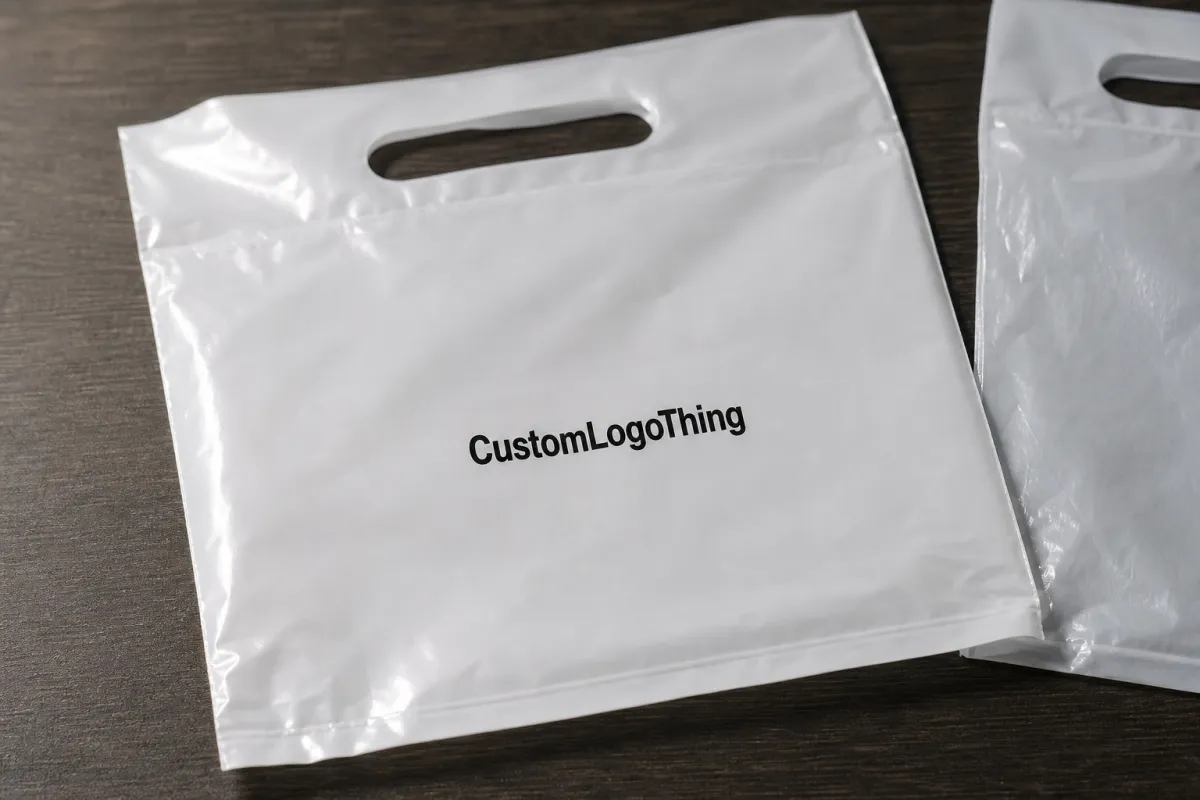
A Private Label Custom Plastic shopping bags supplier does far more than print a logo. They translate your brief into a manufacturable spec, confirm film width and cut length, check handle style, and align carton counts with your warehouse or store needs. In many cases, they work from standard bag construction while still meeting your branding, size, and retail packaging requirements.
That is also why two quotes can look close and still mean very different things. One factory may be pricing a lighter gauge with a one-color print, while another is including heavier film, stronger seals, or custom carton marks. From a buyer's point of view, the supplier is helping build a repeatable line that supports brand consistency across stores, promotions, and seasonal resets.
If you already use Custom Labels & Tags or other branded packaging elements, the shopping bag should feel like part of the same system. A bag that visually matches your labels, cartons, or inserts usually looks deliberate, while a mismatch can make the whole program feel pieced together.
A bag that prints well but fails at the handle usually was not a design problem. More often, the gauge, seal, or gusset was under-specified for the load.
Production process and lead time from artwork to delivery
The normal path starts with an RFQ and ends with freight booking, but the useful part is knowing where time disappears. First comes spec gathering: size, material, gauge, print colors, packing style, destination, and any regulatory needs. Then the supplier reviews artwork, sends a proof, collects approval, prepares resin or film, runs the print, forms the bags, checks quality, packs cartons, and books transit.
Lead time changes for ordinary reasons. A one- or two-color run usually moves faster than a multi-color design with tight registration. A small artwork revision can add days if it forces new plates or a fresh proof. Factory backlog matters too, especially before retail resets and seasonal launches. Production time and transit time should always be separated in the quote.
For planning, a straightforward custom bag order often runs 12-18 business days after proof approval, while more complex work can stretch to 18-25 business days before freight. Air shipping shortens arrival but can lift landed cost quickly. If the launch date is fixed, pad the schedule for proof revisions, sample signoff, customs checks, and carrier delays.
For buyers who want better control over transit quality, the packaging side matters almost as much as the bag itself. Groups such as ISTA publish test methods that help teams understand how items behave in distribution. The same thinking applies here: if the route, carton stack, or load is rough, the bag spec needs to account for it.
Cost, pricing, and MOQ drivers that change your quote
Price moves with material thickness, bag dimensions, handle style, print coverage, and whether you are asking for a standard construction or a more custom build. A lightweight carry bag with one-color print is usually much cheaper than a heavy-gauge boutique bag with full-coverage artwork and reinforced handles. A Private Label Custom plastic shopping bags supplier should be able to show which variable is driving the number.
MOQ is usually a factory efficiency issue. Once a line is set up for a given film width, plate set, or bag size, smaller runs become less efficient and the unit cost rises. Lower quantities can also limit packaging choices such as carton labeling, retail-ready pack counts, or special inserts. If you need flexibility, ask whether the supplier can combine sizes or print versions within one order.
Here is a simple way to compare quote structure without getting lost in the noise:
| Option | Typical MOQ | Typical Unit Price | Typical Lead Time | Best For |
|---|---|---|---|---|
| Stock construction, one-color print | 5,000-10,000 | $0.08-$0.15 | 7-12 business days | Simple promotions and low-complexity retail packaging |
| Custom size, two to three colors | 10,000-25,000 | $0.14-$0.28 | 12-18 business days | Branded packaging programs with repeat use |
| Heavy gauge or premium finish | 25,000+ | $0.22-$0.45 | 15-25 business days | Higher perceived value and stronger carry performance |
Always ask for a quote that separates product cost, setup or plate charges, samples, freight, and any compliance or packaging add-ons. That is the only fair way to compare suppliers. If one quote looks much lower, check whether it quietly assumes a thinner gauge, smaller size, or simpler print coverage.
Step-by-step sourcing workflow for a clean first order
The cleanest sourcing process begins with a one-page buying brief. Include the bag size, material, gauge, colors, quantity, pack format, ship-to address, and any retail or compliance requirements. A private label Custom Plastic Shopping Bags supplier can quote faster when those basics are already locked, and the result is usually more accurate as well.
Next, ask for a preproduction proof. If the order matters enough to affect a store launch, a market test, or a seasonal campaign, ask for a physical sample too. A flat proof can hide things that become obvious only in hand, such as handle comfort, opacity, print placement, or how the gusset behaves once the bag is loaded.
Once the proof is approved, lock the spec sheet and save that exact version. Keep the approved artwork, carton marks, packing count, and notes in one place so future reorders do not depend on memory or staff turnover. If you also buy Custom Packaging Products, it helps to keep the bag spec in the same folder as other packaging design files.
For programs that include paper cartons or inserts, certification still matters. FSC guidance at fsc.org is useful for paper-based components, especially if your branded packaging program includes both plastic and paper items. Plastic bags may not follow the same certification logic, but the overall packaging system often does.
Common mistakes that create weak bags and surprise charges
The biggest quoting problem is vague language. "Shopping bag" can mean a flat bag, a gusseted carrier, a die-cut handle bag, or a custom retail bag with very different film weights and sealing requirements. If the brief is loose, the quote will be loose too, and that usually shows up later as a change order or a bag that does not match the buyer's expectation.
Another common mistake is chasing the lowest price and forgetting what the bag must survive. A cheap bag that stretches too much, splits at the handle, or scuffs easily can cost far more once replacements, returns, and brand damage are counted. In retail, the bag is seen by the customer, carried through the parking lot, and often reused.
Administrative mistakes cause their own damage. Unclear artwork files slow proofing. Missing pallet requirements create freight surprises. Not confirming whether packaging is bulk packed or retail ready leads to confusion on the receiving dock. A supplier can do a lot, but they cannot guess your store workflow if nobody describes it.
Use this short checklist to avoid the most common pain points:
- Define the bag: size, gauge, material, handle style, and gusset.
- Define the print: colors, ink coverage, Pantone targets, and safe margins.
- Define the pack: carton count, pallet pattern, label format, and ship-to terms.
- Define the use case: boutique resale, grocery carry, event giveaway, or promo distribution.
Material and print choices that shape durability and shelf appeal
HDPE and LDPE are the two names buyers hear most often, and they do feel different in hand. HDPE tends to feel crisper and lighter, which can work well for economical retail runs. LDPE is softer and more flexible, and that extra give can improve carry comfort or make the bag feel slightly more premium. Thickness matters just as much as resin choice.
Print method and color count shape both the look and the budget. Solid coverage uses more ink and asks more of registration control, especially if the artwork has fine text or narrow lines. If the design is simple, one or two colors can look sharp and direct. If the brand relies on gradients, detailed art, or large blocks of color, the supplier needs to know that early.
For buyers managing broader product packaging, a bag rarely stands alone. It needs to sit beside Custom Printed Boxes, labels, and other branded packaging elements without looking mismatched. A matte bag next to glossy cartons can still work, but the contrast should feel intentional.
That is where testing and spec discipline help. ASTM methods are commonly used for film and seal performance in packaging development, and even if you do not specify a formal test every time, asking the supplier how they check tensile strength or seal integrity is a smart move.
Expert tips for cleaner artwork and easier reorders
Use vector artwork whenever you can, and keep contrast strong. Plastic bag printing is forgiving in some ways, but folding, sealing, and handling on a busy counter can make small type harder to read than it looked on screen. Leave generous safe margins around logos and regulatory text so nothing important gets pinched by the gusset or lost at the seam.
Standardize a small family of bag sizes instead of inventing a new SKU for every store or campaign. A tighter size family reduces quoting friction, makes forecasting easier, and usually improves reorder speed. If your supplier sees the same few sizes every season, the whole program becomes easier to maintain.
Keep a file history. Save the approved proof, carton marks, print notes, color references, and approval date in one folder. If you have to compare a reorder six months later, that record shows which version was accepted and which details were intentionally changed.
A simple habit helps here: send every reprint request with the original spec sheet attached. That one step prevents a lot of back-and-forth and gives the supplier a cleaner starting point, especially if multiple people touch the account over time.
Next steps to request quotes and lock the right spec
Build a short supplier comparison sheet and send the same spec package to each vendor. That keeps the quotes apples-to-apples instead of based on different assumptions. Ask each private label custom plastic shopping bags supplier to confirm the exact size, gauge, print colors, pack count, freight method, and proof process before you compare numbers.
Then compare three things first: total landed cost, proof quality, and how clearly the supplier answers technical questions. Those usually reveal more about how the order will go than a single unit price line ever will. A supplier that explains setup charges, production windows, and material trade-offs clearly is usually easier to work with during the run itself.
For buyers building a repeatable program, the real goal is not one shipment. It is a documented approval path with sample signoff, final artwork, carton details, and reorder instructions. That is how a one-time purchase turns into a stable branded packaging system that can support future launches, store resets, and seasonal volume without rework.
Frequently asked questions
What should I ask a custom plastic shopping bags supplier before I request a quote?
Confirm the exact bag size, material, gauge, print colors, and packaging format so every supplier is quoting the same thing. Ask what is included in the price, especially setup charges, samples, freight, and carton labeling. Request a realistic production schedule and a sample approval step so you know the true timeline before you commit.
How do I compare pricing from private label bag suppliers?
Compare landed cost, not just unit price, because freight, setup fees, and packaging can change the total substantially. Check whether each supplier used the same gauge, dimensions, and print coverage; a lower quote may simply reflect a lighter or smaller bag. Look for price breaks at different quantities so you can judge whether volume really improves the unit cost.
What lead time is normal for custom plastic shopping bags?
Lead time depends on proof approval, print complexity, and factory load, so a simple two-color run usually moves faster than a multi-color design. Shipping time is separate from production time, which is why air, ocean, and domestic freight can change the delivery date. If a launch date matters, build in extra time for artwork revisions and sample review.
What MOQ should I expect from a private label bag supplier?
MOQ is usually tied to setup efficiency, so smaller runs are possible but may carry a higher unit cost or fewer customization options. Ask whether the supplier can combine sizes, colors, or print versions within one order if you need flexibility across multiple locations. If demand is uncertain, start with the lowest quantity that still gives you a useful quality sample, then plan a reorder once sales data comes in.
Which specs matter most for retail strength and print quality?
Gauge, handle reinforcement, and seal quality matter most for strength because they determine how the bag behaves when loaded and carried. Artwork resolution, color count, and layout spacing matter most for print quality because fine details can blur or shift during production. The best results come from matching the spec to the use case, whether the bag needs to carry heavier merchandise, present a premium brand image, or both.

