Private Label Premium Cuffed Beanies Supplier for Buyers
Finding a private label Premium Cuffed Beanies supplier sounds straightforward until the first sample arrives and the cuff sits too shallow, the knit feels softer than expected, and the logo lands a few millimeters higher than the mockup. On a screen, a beanie can look clean, dense, and expensive. In hand, the same piece can read as thin, slouchy, or oddly proportioned.
That gap is why cuffed beanies deserve the same control buyers give to apparel basics with higher visibility. The product seems simple, but the spec details drive the result: yarn choice, stitch density, cuff depth, logo method, finishing, and packing. A supplier that treats those as separate, documented decisions usually delivers a better line. A supplier that waves everything through with one low quote usually leaves the buyer sorting out problems after the first production run.
Why cuffed beanies look simple but fail fast in production
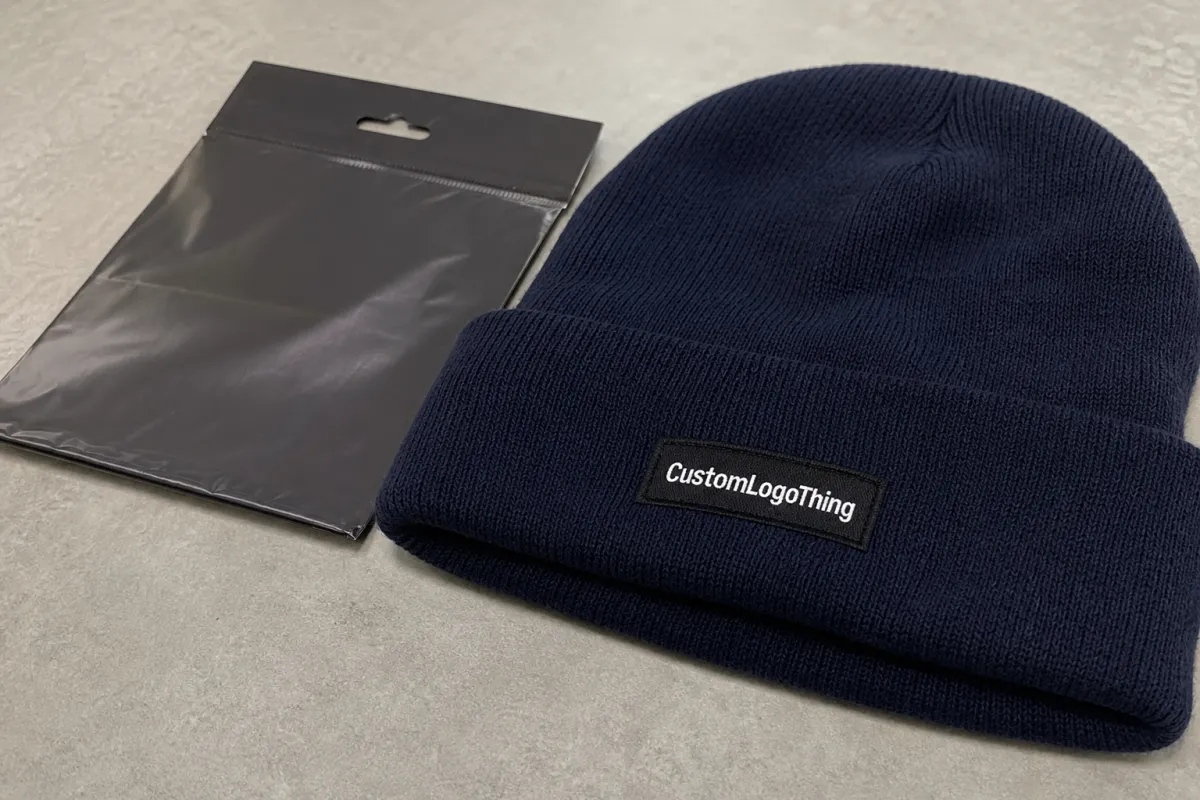
A cuffed beanie is one of those products that looks uncomplicated until production starts. Then every small decision begins to matter. A cuff that is 1 cm too short changes the silhouette. A knit that is too loose reduces structure. A crown that does not recover after stretching makes the hat look tired before it ever reaches retail.
Buyers often assume the category is forgiving because customers wear beanies casually. That assumption creates avoidable mistakes. Thin yarn may reduce cost, but it can also make the fabric feel weak and less valuable. A looser knit can improve stretch, yet it can leave the logo area wavy and the whole hat looking unfinished. Even the fold height of the cuff changes how balanced the product feels in the hand and on the head.
For a brand that wants a premium result, the target is not just warmth. The target is structure without stiffness, stretch without collapse, and branding that reads as part of the product instead of decoration pasted on afterward. That is the real test for a private label Premium Cuffed Beanies supplier: can they repeat the sample, not just make one attractive prototype?
The details fail quietly. A 2 mm shift in embroidery placement is enough to make a logo feel off-center. A slight change in cuff tension can alter the way a beanie sits on different head shapes. Those are the kinds of errors that do not sound serious in a quote conversation and then become obvious in photos, on shelves, and in customer reviews.
What a private label beanie supplier actually handles
A private label supplier does far more than knit a hat and place it in a polybag. In a proper setup, the supplier manages yarn sourcing, color matching, knitting, labeling, decoration, packing, and shipment coordination. If the vendor is organized, the buyer should not have to chase a separate team for the label, another for the knit, and another for freight documents.
Private label is different from blank stock for a reason. Stock inventory gives speed, but it limits control over fit, texture, cuff depth, and presentation. Private label gives the brand room to choose the body structure, logo method, trim type, and retail finish. That matters because beanies are often purchased as part of a visible seasonal collection, not as filler inventory.
That is also where a Custom Labels & Tags program becomes useful. A woven label, size tab, or neatly placed hangtag can make the same knit body feel more deliberate without forcing a more complicated build. Buyers often get better results by improving finishing and branding touchpoints before they chase a fully custom knit.
The first serious step is usually a spec request. Then comes pricing, sampling, revision, bulk approval, production, and shipment planning. A supplier that asks about quantity, fabric content, logo file type, packaging, and delivery window before quoting is doing the buyer a favor. A supplier that quotes without those details is probably guessing.
Production steps and lead time from sample to shipment
Most beanie orders move through a familiar chain: spec sheet, quote, sample, revision, bulk approval, production, finishing, packing, and freight booking. The timeline sounds tidy on paper. The friction usually shows up before bulk starts, because that is where buyers discover what they forgot to define.
A standard sample cycle often takes 7-15 business days if the supplier already has the yarn and the decoration method ready. If the order needs special dyeing, a new logo setup, or a different knit structure, the sample window can stretch to 2-3 weeks. Bulk production is commonly 15-30 business days after approval, with larger or more complex orders taking longer. Shipping is a separate clock. Ocean freight can add several weeks; air freight is faster but can hurt margin on mid-priced programs.
A realistic timeline for a mid-size order usually looks like this:
- Day 1-3: RFQ and spec review
- Day 4-12: sample development
- Day 13-16: revisions and sign-off
- Day 17-35: bulk knitting and decoration
- Day 36-42: packing, carton checks, and freight booking
The calendar changes quickly if the buyer keeps adjusting art, yarn color, or packaging. It also changes if the supplier is waiting on a trim item such as a woven label or a custom patch. That is why production time and transit time should be separated in writing. If they get bundled together, delivery promises stop being useful.
For retail-bound shipments, it helps to ask whether the supplier uses transit-testing logic similar to ISTA practices. The beanie itself may be fine, but a crushed carton, moisture exposure, or poor stacking can still create a bad arrival condition. That is a packaging failure, not a product failure, and the warehouse will not care which one it was.
Cost, MOQ, and quote factors that change unit price
Pricing on cuffed beanies rarely comes down to one neat number. It is usually a stack of small decisions. Yarn quality, knit gauge, logo method, label type, finishing, packaging, carton count, and destination all move the unit price. If a quote looks unusually clean and none of those points were discussed, there is usually a catch later.
For premium custom cuffed beanies, a rough factory price often lands around $2.10-$4.80 per unit at 1,000-3,000 pieces, depending on the materials and branding method. At 5,000 pieces or more, some simpler builds may drop to $1.65-$3.60 per unit. Embroidery-heavy styles, specialty yarns, or upgraded packaging can push higher. That is normal. Premium does not mean expensive for no reason, but it rarely means cheapest-in-class either.
MOQ affects price because setup work, sampling labor, and machine preparation are spread over fewer units. Smaller runs usually cost more per piece. That is not a flaw in the supplier; it is the math of short production runs. Buyers should compare the full tradeoff: higher unit cost versus lower inventory risk, faster market testing, and less storage pressure.
| Option | Typical MOQ | Approx. unit cost | Best for |
|---|---|---|---|
| Blank stock with embroidery | 100-300 pcs | $2.50-$5.00 | Fast promos, short trials |
| Private label knit with woven label | 500-1,500 pcs | $2.10-$4.20 | Retail collections, brand programs |
| Fully custom knit + premium packaging | 1,000-3,000 pcs | $3.00-$6.50 | Higher-margin retail and gifting |
Quote comparisons should be line by line. Does the price include sample credit? Is artwork setup included? Are cartons charged separately? Is packaging part of the base price or an add-on? Small exclusions create fake savings. Buyers often think they found the lowest cost, then realize they were comparing different scopes.
Specs that separate premium beanies from cheap stock hats
Premium beanies usually win on structure and finish. The yarn feels better. The knit sits cleaner. The cuff holds its fold. The logo lands flat. None of that appears by chance. The product has to be built that way.
Start with yarn. Acrylic, recycled polyester, wool blends, and acrylic-wool mixes all behave differently in production and wear. Acrylic is common because it is cost-effective and easy to knit. Wool blends usually feel richer and can hold warmth better, but they raise cost and may need more careful handling. Recycled yarn can support a sustainability story, but only if the sourcing claims are documented. A vague green label on a sales sheet does not count as proof.
Knit gauge matters nearly as much. A tighter gauge generally creates a denser, more refined look, but if the knit is too tight, stretch and recovery can suffer. A looser gauge may feel softer, yet it can collapse at the cuff or lose shape at the crown. For beanies, shape retention is the quiet measure that separates a product that wears well from one that looks tired after a few uses.
Cuff depth changes the visual balance of the hat. Too short and the product looks undersized. Too tall and it can overpower smaller heads or feel bulky under a hood. That is why a private label Premium Cuffed Beanies supplier should treat cuff height as a measurable spec, not a vague style preference.
Decoration has to suit the knit surface. Embroidery works well on firmer cuffs, but fine detail can distort on a soft, stretchy body. Woven labels often stay crisper and read more premium. Patches add texture and can create a stronger retail look, although they also add labor. The safest rule is simple: choose the decoration method that fits the fabric behavior, not the one that only looks cheapest in a quote.
A sample can look polished on a desk and still fail in wear. If the cuff twists, the seam shifts, or the logo bubbles after stretching, bulk production will only make the weakness easier to spot.
That is also why physical swatches matter. Screens flatten texture. Sample photos can hide issues under flattering light. Tactile products need tactile review. A buyer should be able to compare softness, rebound, and surface density before approving production.
How to build a usable spec sheet before you ask for quotes
A useful spec sheet keeps the quote process clean. A vague one creates three rounds of clarification and a sample that is “close” but not right. The minimum useful details are measurement, yarn content, knit style, color references, logo file, packaging instructions, and target quantity. If the cuff height, crown shape, and label type are already decided, those should be included too.
Do not rely on a loose product idea. “Black beanie with logo” is not a spec. It is a starting point. Give the factory something measurable: overall length, cuff height, approximate weight, yarn content, logo size, and placement. If a tolerance is acceptable, say so. If a measurement cannot vary, say that clearly as well. Factories work faster when the non-negotiables are written down.
Reference images help, but only if they are labeled. Mark which parts are mandatory and which are only visual inspiration. One image may show the shape you want, another may show the cuff, and a third may show the label. If those are not annotated, the supplier has to guess. Guessing is how samples come back looking reasonable while still being wrong.
A practical order of operations looks like this:
- Collect logo files and color targets first.
- Decide the knit body, cuff depth, and yarn content.
- Choose the decoration method and label style.
- Set packaging needs and carton count.
- Send one complete RFQ to each supplier.
That sequence helps the private label Premium Cuffed Beanies supplier quote accurately on the first pass. It also makes supplier comparisons fairer, because each factory is pricing the same scope instead of a different version of the product.
Quality checks that protect the order
The right product checks are practical, not theatrical. A buyer does not need a lab coat to catch the problems that matter. Start with measurement verification on the sample and on the first production run: overall length, cuff height, seam consistency, and logo placement. A beanie that is off by a little may still pass a casual glance, but the difference becomes obvious across a full order.
Next, test stretch recovery. Pull the cuff a few times and see whether the knit returns cleanly or stays distorted. If the beanie loses shape quickly, it will not photograph well and it will not keep a premium feel in retail handling. Check the logo after stretching too. Embroidery may look sharp before use and warp after one wear cycle.
Yarn pilling is another quiet issue. Some blends look fine on arrival and start fuzzing after friction. That does not always show up in a sample taken straight from a bag. Ask the supplier how they control yarn twist, finishing, and surface cleanup. On darker colors, stray fibers and lint are easier to see, so quality expectations should be stricter.
Packaging deserves the same attention. A clean beanie can still arrive in poor condition if the folding is uneven, the inner bag is too tight, or the carton is underpacked. If the order is going into retail or gifting, ask for the packing method in writing. That includes inner polybag choice, folding style, carton count, and any master carton protection. These details are boring until they save an entire shipment.
A competent supplier should also be able to confirm basic visual checks before bulk release: color consistency between samples and production, trimmed thread ends, clean label placement, and uniform cuff width across the lot. None of that is fancy. It just keeps avoidable defects out of the box.
Common mistakes buyers make when sourcing cuffed beanies
The first mistake is approving a sample because it looks nice in a photo while ignoring wear behavior. A beanie that photographs well on a table may still feel awkward on head, twist at the cuff, or lose shape after a few stretches. Sample approval should happen with the product actually worn and handled.
The second mistake is changing too many variables at once. New yarn, new color, new label, new packaging, and a new embroidery file do not count as one change. That is five opportunities for the order to drift. Factories can manage revisions, but they need a controlled process or the sample cycle becomes a moving target.
The third mistake is leaving packaging and shipping decisions until production is already underway. Carton size, inner bag type, master carton count, and freight method affect both cost and delivery safety. If retail presentation matters, the packaging should be included in the quote from the start, not added later as an afterthought.
The fourth mistake is picking a supplier only by price. A lower quote is useful only if the samples, approvals, communication speed, and production discipline are also strong. A slightly higher price from a careful private label premium cuffed beanies supplier is often cheaper in practice than a bargain quote that generates corrections, rework, and delayed inventory.
The strongest sign of a capable supplier is clarity. They can explain what changes the unit cost, what lengthens the timeline, and what must be signed off before bulk starts. That kind of transparency saves more money than a flashy quotation ever will.
What to do before you place the order
Before committing, send the same spec package to three suppliers. Identical inputs make the differences visible: quote structure, sample speed, communication quality, and how carefully each factory handles detail. Compare them under the same conditions. Otherwise the cheapest quote might simply be the least complete one.
Ask each supplier to confirm the unit price, MOQ, sample fee, production lead time, decoration method, packaging method, and transit estimate in writing. Then request one sample revision if needed. That extra step is rarely wasted. A corrected sample says far more than a polished sales email ever will.
Use this final check before release:
- One approved sample signed off by the buyer.
- One quote that lists inclusions and exclusions clearly.
- One delivery plan with production time and transit time separated.
If those three items are in place, the order is ready to move. If not, hold it. A rushed purchase can turn a seasonal product into dead inventory quickly, and beanies are unforgiving that way because trend windows and weather windows are short.
For buyers searching for a private label premium cuffed beanies supplier, the real goal is not the lowest quote. It is repeatability: a supplier that can match the sample, protect the finish, and deliver a product that feels deliberate because the specifications were handled properly from the start.
What should I ask a private label beanie supplier before requesting a quote?
Ask about yarn options, MOQ, decoration methods, sample timing, and whether packaging is included. Share exact measurements and logo files so the quote reflects actual production, not a rough estimate. Confirm what changes will trigger a new price or a longer lead time.
How long does private label cuffed beanie production usually take?
Sample development is often the first delay, especially if the knit structure or logo needs revision. Bulk lead time depends on order size, factory queue, and whether custom materials or colors are required. Keep shipping time separate from production time so delivery dates stay realistic.
What is a normal MOQ for premium cuffed beanies?
MOQ varies by factory, but custom knit and branded options usually require more than simple stock embroidery orders. Lower MOQ often means higher unit cost, so compare setup fees against total inventory risk. If you need a smaller run, ask whether existing yarn or limited color options can reduce the minimum.
Which logo method works best on cuffed beanies?
Embroidery is common and durable, but it can distort fine details on stretchy knit fabric. Woven labels or patches often give a cleaner premium look when the design is detailed or the cuff is small. Choose the method based on how the fabric behaves, not only on price.
How do I know if a premium beanie sample is actually good?
Check cuff shape, stretch recovery, seam quality, and whether the logo sits flat after wearing and handling. Compare the sample against your spec sheet, not against memory of the first photo. If the sample feels off in hand, it will usually look off in retail photos too.


