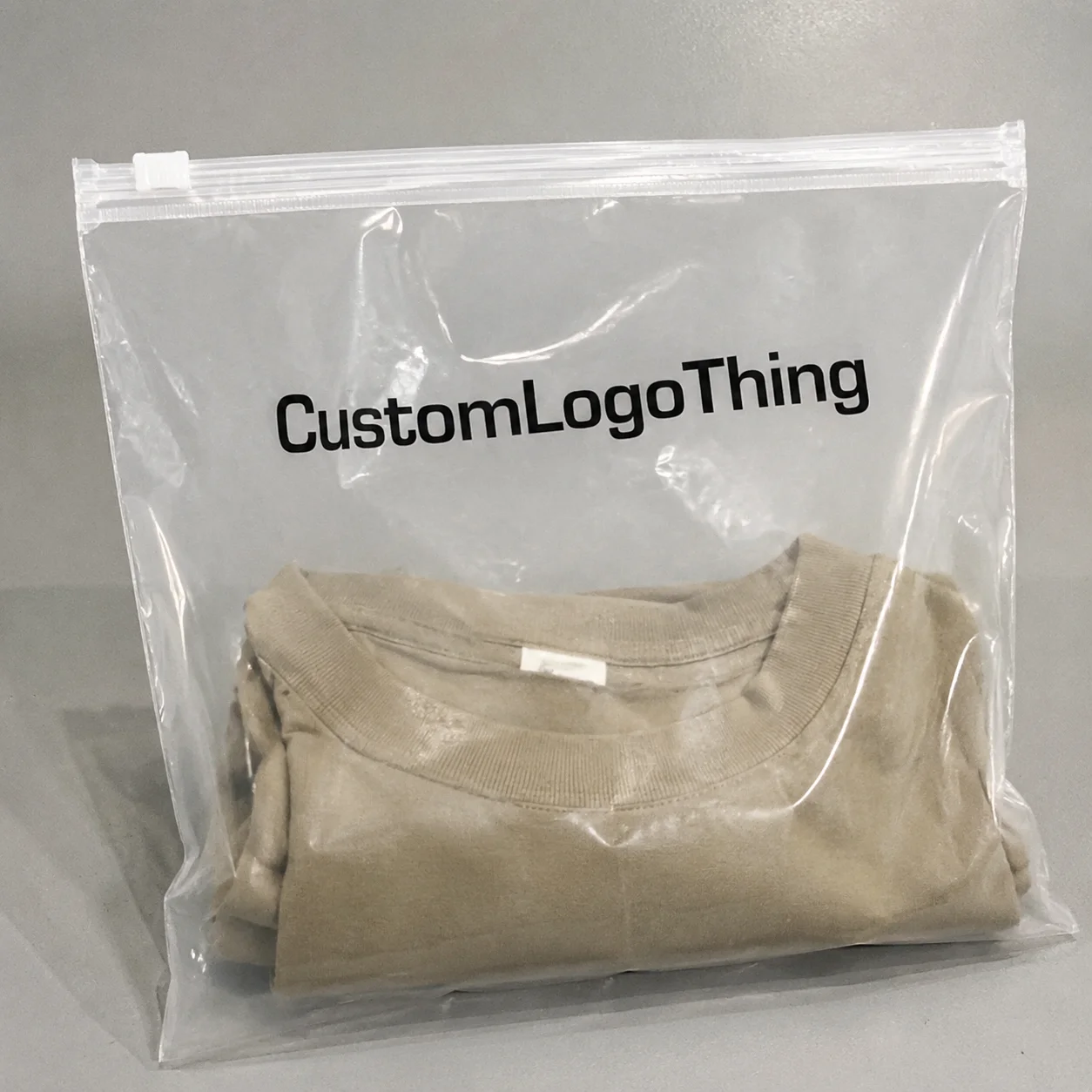
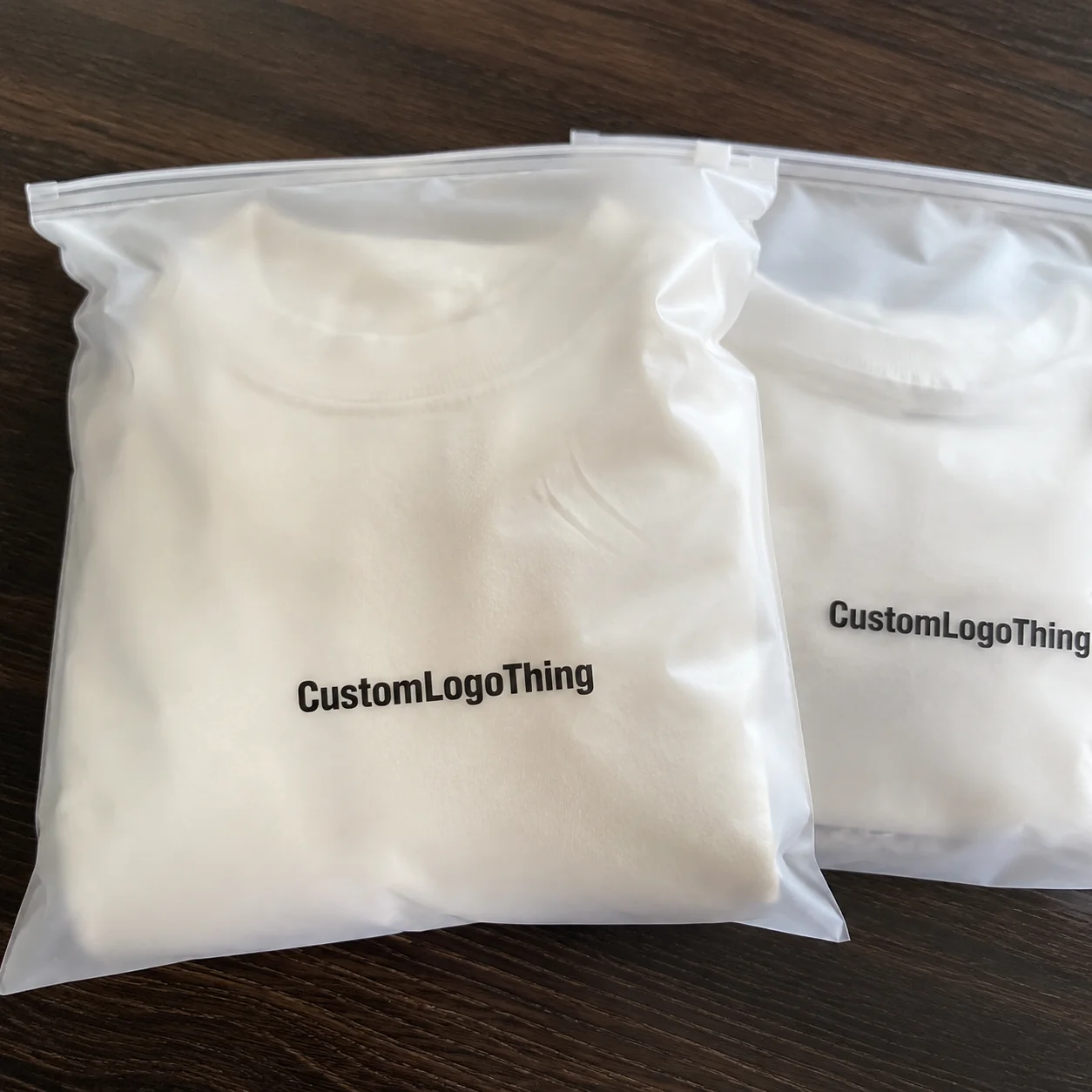
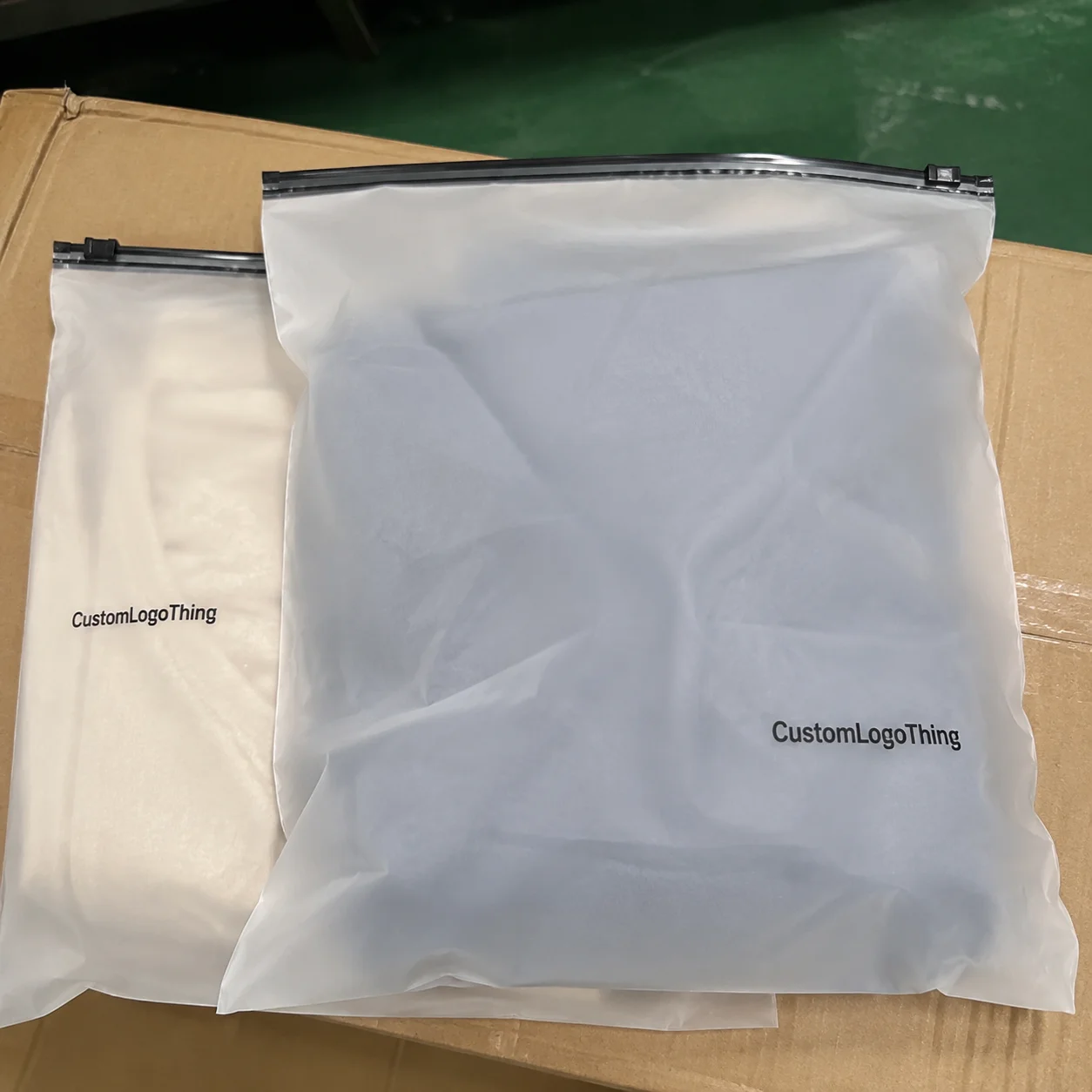
If you're comparing PVC Garment Bags for outdoor brands wholesale pricing, start with the spec sheet, not the quote. A 0.12 mm bag for a lightweight rain shell and a reinforced gusseted bag for a winter parka are not interchangeable products. They use different amounts of film, different construction steps, and different quality checks, so the price gap is real. Buyers who treat the bag as simple plastic usually end up paying twice: once for the order, then again for replacements or repacking.
Clear PVC stays popular because it does three practical jobs at once. It keeps dust off the garment, reduces scuffing in transit, and lets the product stay visible without adding a printed carton. That matters for outdoor apparel, where jackets, shells, vests, and uniforms often move through warehouses, retail racks, and back-of-house storage before they ever reach the end customer. Presentation matters, but so does handling efficiency. The right bag does both.
The useful way to think about packaging is operational, not decorative. If the bag protects the item, keeps the size visible, and survives the trip without warping or tearing, it is doing its job. That is the real context behind PVC garment bags for outdoor brands wholesale pricing. The cheaper bag is not automatically the better buy. The right bag is the one that holds up under the way your product actually moves.
Why Outdoor Brands Keep Buying PVC Garment Bags in Bulk
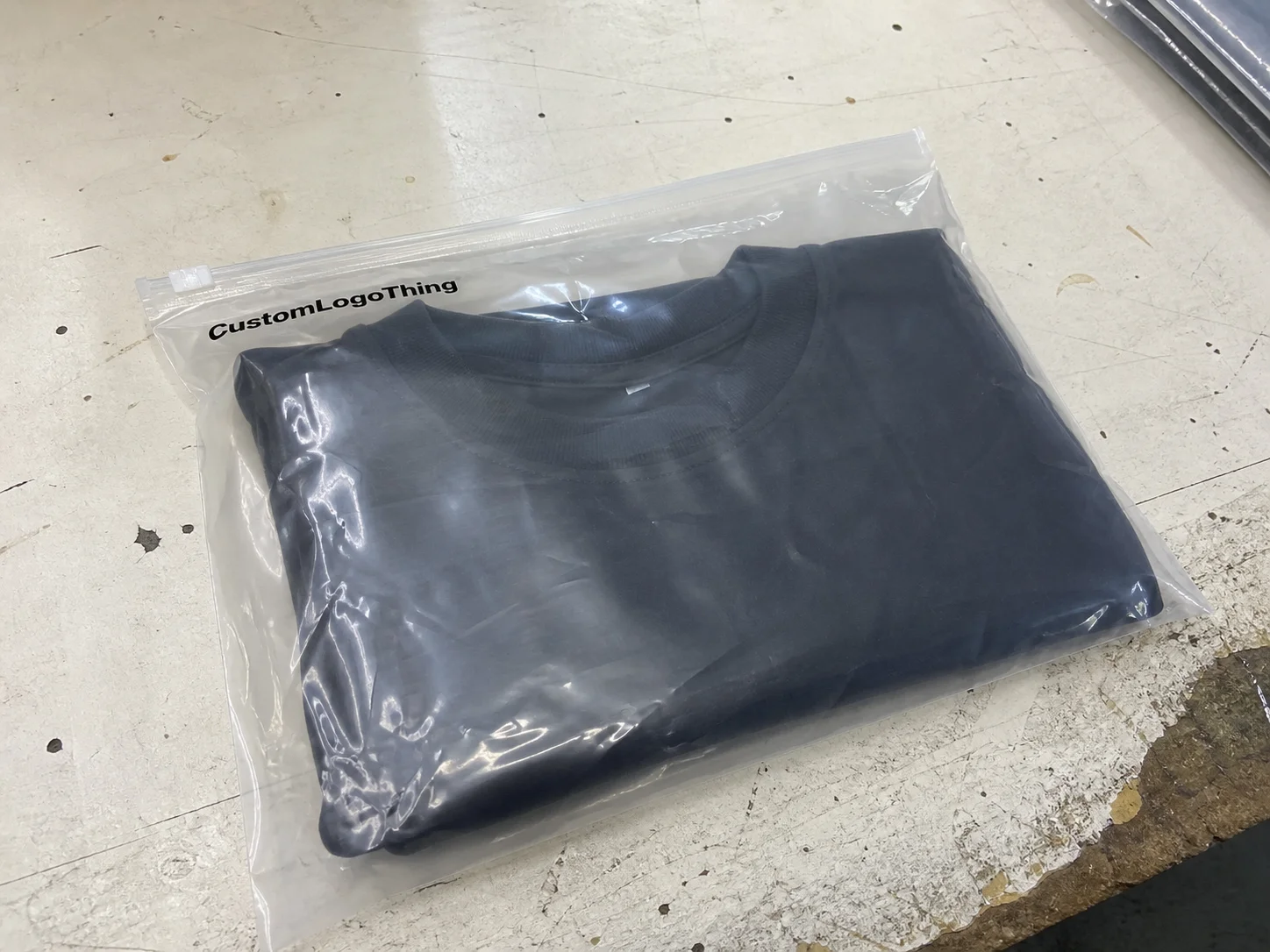
Outdoor apparel has a packaging problem that looks simple from the outside. Jackets, shells, and layered pieces need protection, but they also need to stay visible and easy to move. A clear PVC garment bag fits that use case better than most alternatives. It shields the garment from dust and handling grime while still letting warehouse staff, retail teams, and buyers identify the product without opening anything.
Bulk buying makes sense because these bags are rarely a one-off need. Brands usually run seasonal outerwear, replenish the same style across multiple channels, or use the same packaging standard across different sizes. Once a bag spec is approved, the value is in repeatability. That is where a bulk order earns its keep. It keeps the presentation consistent and reduces the time spent reworking product at packing or receiving.
There is also a transportation reality here. Outerwear is bulky, often irregular in shape, and easy to wrinkle or scuff. A simple clear bag can be easier to handle than a rigid box when the garment needs to stay on a hanger or be re-bagged later. It takes less storage space, costs less to ship, and does not force the product into a format it does not need. For brands shipping to retail partners or storing inventory for later replenishment, that matters.
Common use cases are straightforward:
- Seasonal outerwear shipped to retail accounts
- Uniform programs that need repeatable sizing and clean presentation
- Promo apparel kits packed for events or dealer programs
- Warehouse storage where dust and scuff protection matter
That is the business case behind pvc garment Bags for Outdoor brands wholesale pricing. The bag is not trying to be fancy. It is trying to prevent avoidable damage and make the product easier to process.
What the Product Includes: Sizes, Closure Options, and Use Cases
PVC Garment Bags come in several basic formats, and the wrong format creates waste fast. The usual options are open-top bags, zippered bags, hanging bags, gusseted bags, and versions with reinforced seams or handles. Each one solves a different problem. Open-top styles are fast for warehouse packing. Zippered bags offer better closure and dust protection. Gusseted bags give bulky garments the extra volume they need without crushing sleeves or shoulders.
For outdoor brands, the garment itself should drive the format. A thin shell or lightweight rain jacket can sit in a flatter bag without issue. A puffer jacket, insulated parka, or layered workwear piece usually needs gusset space so the bag does not compress the garment into a poor shape. If the bag is too tight, it looks strained and cheap. If it is too large, the excess film wrinkles and the finished package looks careless. Size control is not a small detail. It is the difference between a neat pack and a problem pile.
Useful features tend to be practical rather than flashy:
- Hang holes for warehouse and retail display use
- Reinforced seams for heavier garments and repeated handling
- Zipper pulls that hold up under frequent opening and closing
- Handles for short-term transport and carrier handoff
- Clear label windows or visible panels for SKU and size identification
The right feature set depends on where the bag is used. A bag for transit protection can be more utilitarian. A bag for showroom or retail display needs cleaner edges, better clarity, and more consistent alignment. Mixing those requirements is a common mistake. People either overspend on presentation features they do not need, or they under-spec the bag and end up with wrinkles, seam stress, or a zipper that gives out too soon.
| Style | Best For | Typical Strength | Common Tradeoff |
|---|---|---|---|
| Open-top | Fast warehouse packing, short-term storage | Good for light to medium garments | Less secure in transit |
| Zippered | Retail-ready presentation, better dust control | Better for repeated handling | Slightly higher unit cost |
| Gusseted | Bulky jackets, insulated layers, uniforms | Stronger shape retention | Uses more material |
| Hanging style | Showroom display, retail replenishment | Best for visible merchandising | Needs careful sizing |
Material Specs That Change Durability and Shelf Appeal
Thickness is the first number to confirm. Thin PVC lowers the price, but it also wrinkles faster and tears more easily when the garment has sharp trims, heavy zippers, or dense shoulder construction. Thicker film gives more stiffness and usually a cleaner retail appearance, which is why outerwear programs often move toward the upper end of the range. A practical starting point is roughly 0.10 mm to 0.25 mm, with heavier garments often landing closer to the higher end.
Clarity matters just as much. Outdoor brands usually want the garment visible without a cloudy or distorted look. High-gloss film can read as more premium, but it will also show fingerprints, scratches, and handling marks more easily. Matte film reduces glare, though it can soften the crisp, polished look some retailers want on the floor. There is no universal winner. The right finish depends on whether the bag is built for warehouse use, retail display, or both.
Then there are the details buyers often discover too late. Odor, haze, stiffness, and seam consistency all matter. A low-grade film can smell strong, feel uneven from batch to batch, or turn cloudy when it sits in humid storage. If the garment is premium, the packaging cannot feel cheap. A good supplier should be able to show consistency in film clarity, zipper performance, seam strength, and folded recovery after packing.
There are also environment-specific checks. If the bags will be stored in an unheated warehouse or shipped through cold weather, ask about cold-crack behavior. If the product has metal trim, snaps, or hard edges, test for scuffing. If the bag is meant to hang for long periods, check whether the seam and hanger area deform under load. These are not edge cases. They are the sort of issues that show up in real operations and wreck a seemingly good spec.
For packaging programs that also rely on printed inserts or hang tags, the paper side should be specified just as carefully. If sustainability documentation matters to your retailer, FSC-certified paper is one common requirement. For transport testing, many teams reference ISTA standards to simulate handling and shipping stress. Different materials, different proof points. That part is normal.
One more practical point: a sample should be bent, zipped, hung, and handled the way the warehouse actually works. If it cracks at the folds or deforms under a normal garment load, the spec is wrong. That is easier to catch on a sample than after 5,000 units have already been packed.
Wholesale Pricing, MOQ, and Unit Cost
pvc garment Bags for Outdoor Brands wholesale pricing comes down to a handful of variables that move in predictable ways. Size, thickness, closure type, reinforcement, print coverage, and order volume do most of the work. Material cost matters, but it is only one piece of the quote. Setup, labor, inspection, carton packing, and freight can change the landed number just as much.
For planning purposes, simple clear PVC garment bags often land around $0.18 to $0.35 per unit at higher volumes, depending on dimensions and construction. Heavier, gusseted, printed, or reinforced versions commonly sit in the $0.35 to $0.85 per unit range. More complex hardware or specialized finishing can push beyond that. Lower quantities usually cost more per piece because setup is spread across fewer units. That is basic production math, not a negotiation trick.
MOQ usually shifts with customization. A stock-style clear bag may be available at a lower minimum. Printed bags, custom dimensions, special zippers, or reinforced builds typically require a higher run to justify setup time. In practice, many suppliers quote Custom Apparel Packaging somewhere in the 500 to 3,000 unit range, depending on the spec. Smaller runs can happen, but the unit cost usually rises fast.
When comparing quotes, buyers should look at the full landed cost:
- Unit price
- Sampling fee
- Plate or setup charge if printing is involved
- Freight to the final destination
- Carton pack count and outer carton spec
- Repeat-order price
The repeat-order number matters more than people expect. A supplier may quote one price for a first order and a better rate for seasonal replenishment once the tooling, artwork, and dimensions are already locked. If your apparel calendar includes spring and fall runs, ask for both scenarios. Otherwise the quote is incomplete, even if the line item looks fine.
| Spec Level | Typical MOQ Behavior | Typical Unit Cost Range | Best Fit |
|---|---|---|---|
| Basic clear, open-top | Lower MOQ possible | $0.18-$0.28 | Warehousing, simple packing |
| Zippered, standard thickness | Mid MOQ | $0.28-$0.45 | Retail-ready outerwear |
| Gusseted or reinforced | Higher MOQ | $0.40-$0.65 | Bulky jackets, premium programs |
| Printed or custom hardware | Higher setup burden | $0.55-$0.85+ | Brand-led display packaging |
The cheapest quote is often the least useful one. If the bag tears in transit, the zipper fails, or the film clouds up in storage, the apparent savings disappear quickly. Good buyers treat packaging as a landed-cost decision, not a sticker-price exercise.
Production Steps, Lead Time, and Delivery Windows
Good production is predictable. First comes spec confirmation: dimensions, thickness, closure, print, quantity, and pack configuration. Then comes artwork approval, if the bag is printed or labeled. After that, the supplier should produce a sample or pre-production version. Mass production follows, then inspection, then carton packing. If any of those steps are skipped, the schedule gets harder to control.
For simple bulk runs, lead time often falls around 12 to 18 business days after approval. Custom print, special zippers, reinforced seams, and more complex pack-outs can extend that to 20 to 30 business days. Large orders or peak seasonal demand can push the schedule further. Freight is a separate clock. Air moves fast and costs more. Ocean preserves margin and takes longer. There is no trick to that tradeoff.
The delays that hurt most are usually avoidable:
- Artwork sent in the wrong format
- Measurements that do not match the garment
- Back-and-forth over zipper or closure style
- Last-minute changes after sample approval
- Unclear delivery destination or receiving window
If the launch date is fixed, work backward from the receiving dock, not from the factory floor. That gives room for sampling, inspection, freight booking, and any rework that appears before shipment. It also gives a buffer for customs, carrier delays, or weather disruptions. Those delays are annoying. They are also ordinary.
Brands that plan early tend to get better pricing and fewer compromises. Brands that wait until the product is already sitting in a warehouse often end up paying more for less flexibility. Packaging punishes rushed decisions faster than most categories do.
Why Outdoor Brands Source From a Packaging Partner, Not a Random Listing
A random marketplace listing can be fine for a one-time buy of generic plastic packaging. Outdoor brands usually need more control than that. They need consistent dimensions across reorders, closure quality that does not vary from batch to batch, and enough production discipline to match changing garment sizes without starting from zero every season. That is the point where a packaging partner matters.
The biggest advantage is fit control. A supplier who understands the garment can flag problems before mass production begins. Maybe the jacket needs a wider shoulder allowance. Maybe the shell packs flatter than expected. Maybe the hanger opening needs reinforcement because the product will hang in a retail stockroom for months. These are small decisions, but they add up. The wrong bag can look acceptable on paper and still fail as soon as the garment is packed.
Consistency is the other reason. Outdoor brands often run multiple SKUs, multiple seasons, and multiple channels at once. DTC, wholesale, and retail replenishment do not always use the same packaging requirements, but they should still come from the same logic. If the bag spec changes every time a new garment arrives, the packaging process turns into a recurring sourcing project. That is expensive in both time and mistakes.
A good partner also helps keep the supply chain boring, which is the real goal. Fewer damaged units. Fewer rejected cartons. Fewer surprise price jumps when the next season arrives. That is why PVC Garment Bags for Outdoor brands wholesale pricing should be evaluated alongside response time, sample discipline, and reorder stability. A low quote without control is just a future problem.
What To Include In a Quote Request
If you want an accurate quote, send the information that changes the price. The supplier should not have to guess the garment size, closure style, or the amount of room needed around the shoulders and sleeves. Guessing slows the process and usually leads to a quote that is either too vague or too conservative.
A complete request should include garment dimensions, estimated quantity, thickness preference if known, closure type, print requirements, destination, and the delivery window. If the packaging is for a specific SKU, include that as well. A photo of the garment helps too. Two jackets with the same nominal size can still need different bags once collars, hoods, shells, and hardware are accounted for.
If you already have an existing bag, send a sample or a clear photo with measurements. That gives the supplier a baseline for seam placement, zipper length, hanging point, and pack depth. It also helps catch mismatches early. A bag that fits a thin shell may be completely wrong for an insulated piece, even if the label size looks close enough.
The cleanest buying process is simple: compare a few spec options, confirm MOQ early, approve a sample, then move into production. That sequence is less glamorous than rushing an order through, but it saves time and avoids mistakes. Packaging only looks easy until the wrong spec shows up.
The same rule applies to pvc garment bags for outdoor brands wholesale pricing. The best quote is the one built from complete information, not optimism. Good specs produce honest pricing. Weak specs produce surprises.
What affects pvc garment bags for outdoor brands wholesale pricing the most?
Size, thickness, closure style, and print coverage usually move the price more than anything else. Order quantity matters too because setup costs are spread across more units at higher volumes. Freight, carton spec, and destination also change the landed cost, which is the number buyers should actually compare.
What MOQ should I expect for wholesale PVC garment bags?
MOQ varies by size and customization. Stock-style bags may start lower, while printed or specially constructed bags often require a larger run to cover setup efficiently. If a quote looks unusually low on MOQ, check whether the unit cost still works after setup and shipping are added.
Are PVC garment bags suitable for heavy outdoor jackets and shells?
Yes, if the thickness, seam construction, and zipper quality match the garment weight. Gusseted or reinforced styles are better for bulky jackets and layered apparel. For heavier pieces, clarity and stiffness matter because the bag has to protect the item without collapsing its shape.
How long does production usually take after approval?
Simple bulk runs can move in roughly 12 to 18 business days after approval. Custom print, special hardware, and reinforced construction add time. Freight can be the longest part of the schedule, so buyers should plan delivery around the launch date, not the production start date.
What should I send to get an accurate quote?
Send measurements, quantity, closure preference, print details, and the shipping destination. Include a photo of the garment or current packaging if you want the quote to match the real use case. If timing matters, add your required delivery window so production and freight can be quoted properly.