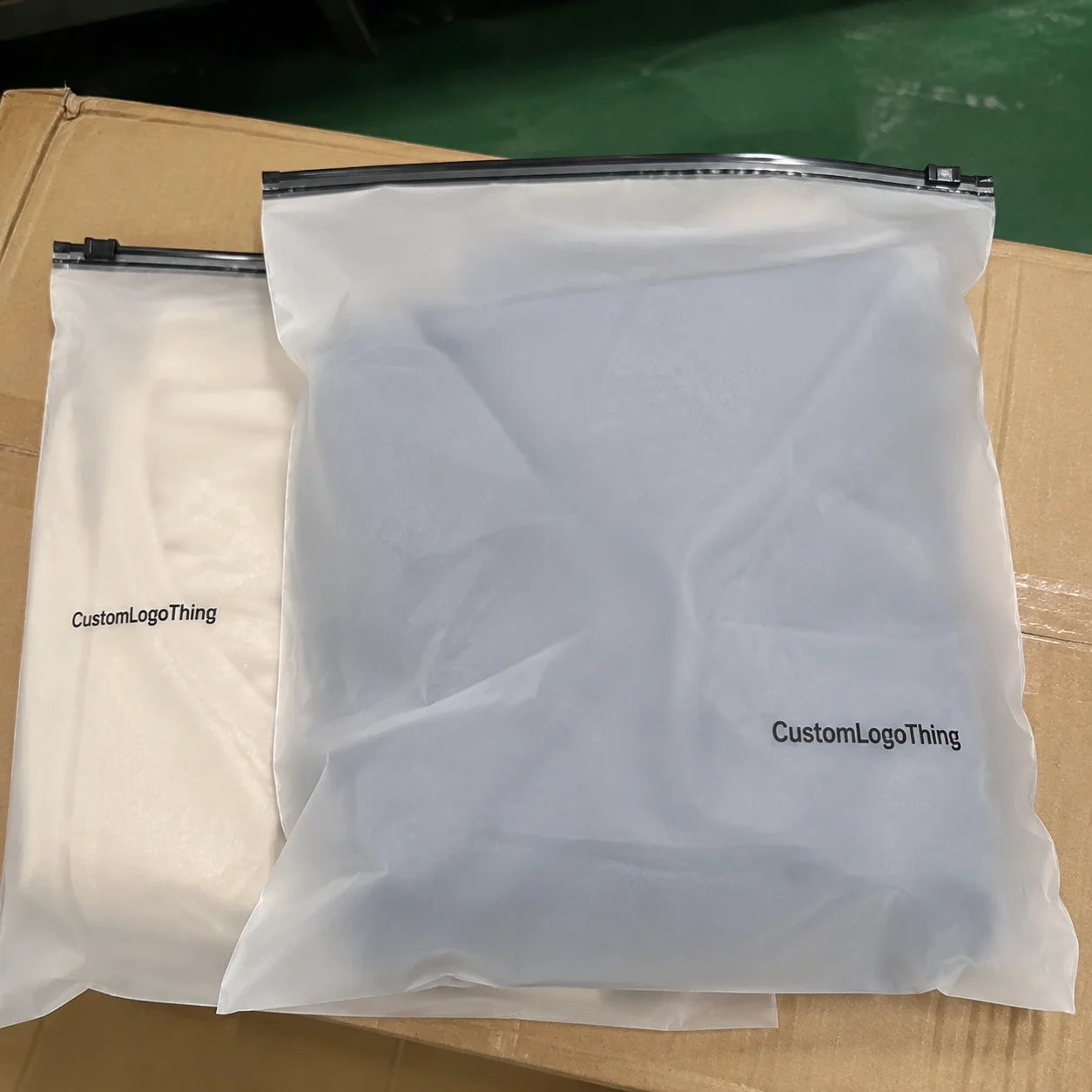
Most buyers only see the problem after the cartons arrive. A mailer can look clean on the outside, carry a recycled-content claim on the print, and still tear at the flap, split along the side seal, or vary enough from bag to bag that packing staff start rejecting it on the line. That is why a Recycled Poly Mailer Bags quality inspection checklist matters: it gives you a practical way to catch weak film, poor seals, and print defects before they turn into returns, reprints, or customer complaints.
Recycled poly mailers are usually made with post-consumer recycled resin, post-industrial recycled resin, or a blend of the two, then converted into film, printed, and formed into shipping bags. Recycled resin behaves a little differently from virgin polyethylene. You can see more variation in gauge, odor, stiffness, color, and seal response when the process is not tightly controlled. That does not make recycled mailers inferior by default. It does mean the buyer has to inspect with more discipline.
The best way to think about the checklist is as a control for three things at once: appearance, shipping performance, and total landed cost. If you buy for ecommerce, subscription boxes, apparel, or accessories, you need more than a sustainability claim. You need a bag that runs well on the packing bench, survives transit, and still looks acceptable when the customer opens it.
Why recycled poly mailers fail buyer expectations
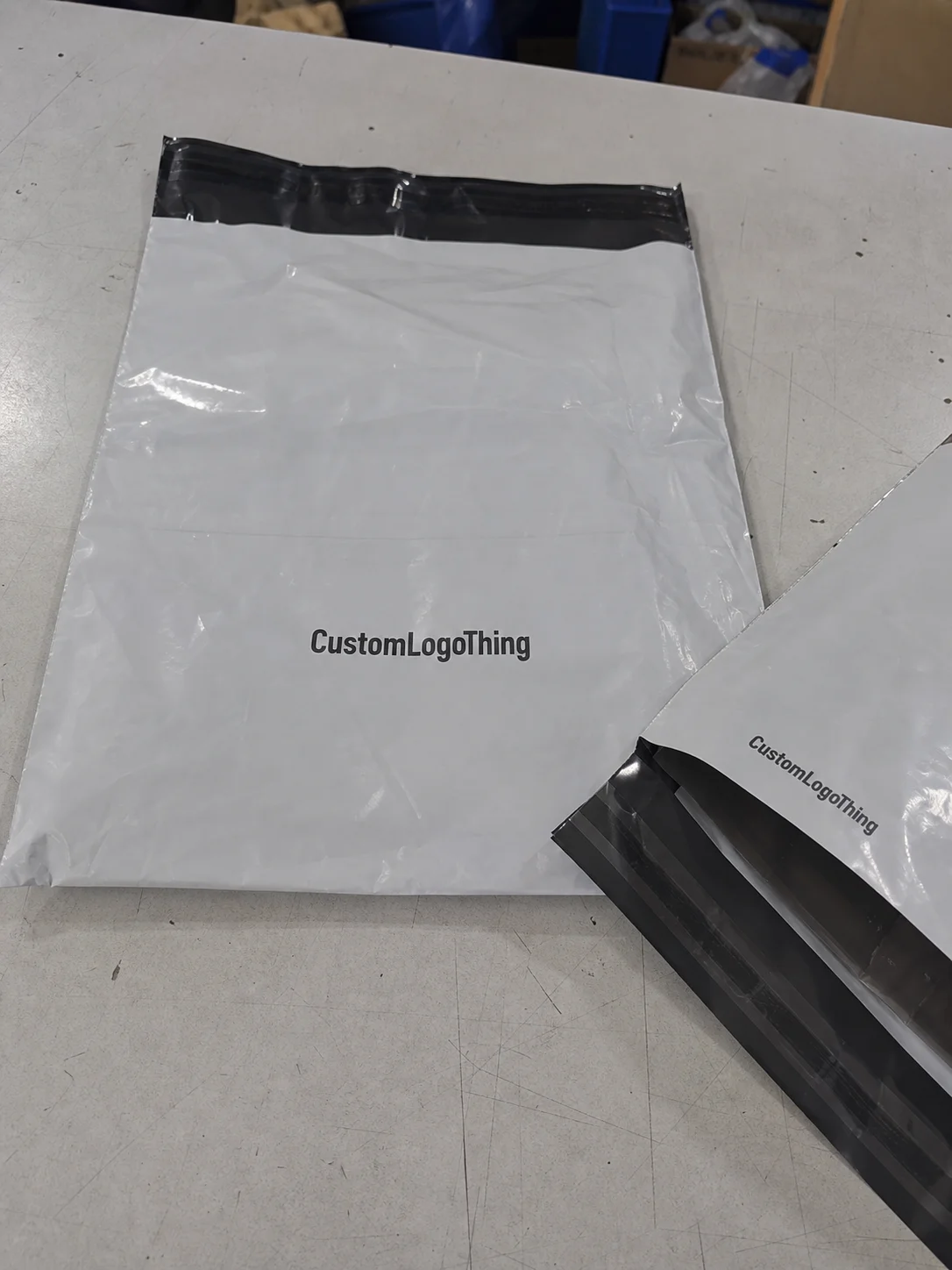
Recycled mailers usually fail for one of three reasons: the resin blend is inconsistent, the film process is unstable, or the conversion stage weakens the finished bag. A buyer may approve a sample that feels fine in hand, then receive a production lot that is thinner, more brittle, or more variable from batch to batch. That gap is exactly where the Recycled Poly Mailer Bags quality inspection checklist earns its place.
Recycled resin can carry small amounts of contamination, mixed polymer content, or color variation depending on the source stream and the supplier’s compounding controls. When that resin is turned into blown film, small shifts in melt temperature, die balance, cooling, or draw ratio can affect gauge uniformity and seal behavior. A mailer with a nominal thickness of 60 to 80 microns may still have weak spots if the extrusion line is not tightly controlled.
From a buyer’s point of view, the tension is straightforward. More recycled content can improve the sustainability story, but it can also increase variation if the process is loose. That variation may show up as a faint odor, a duller finish, less stiffness, or a seal that looks acceptable yet fails after vibration and handling. For ecommerce programs, that is an expensive tradeoff if it is not managed up front.
There is also a commercial problem hiding behind the technical one. If the supplier does not define the resin blend, thickness tolerance, closure performance, and print requirements with enough precision, every later disagreement becomes harder to resolve. A recycled mailer is not a commodity bag once it is branded and packed for shipment; it becomes a functional part of the fulfillment system.
How the inspection process works from resin to finished mailer
Quality control starts before the film is even extruded. Responsible suppliers should be able to tell you where the recycled resin came from, whether it is PCR or PIR, how much of each is in the blend, and what controls are used during compounding. If the incoming feedstock is inconsistent, the rest of the process has to work harder to keep the bag stable.
After resin sourcing comes blown film extrusion. This is where thickness, haze, clarity, and basic strength begin to take shape. If the temperature profile is unstable or the die is poorly balanced, you can get thin strips, gel spots, edge weakness, or gauge bands. Those defects may not look dramatic on a sample sheet, but they matter in shipping because a bag only needs one weak lane to fail under stress.
Printing and bag making are the next pressure points. Ink adhesion, registration, and drying all matter more on recycled film, where surface energy can vary a little more than on virgin resin. Then the film is folded, sealed, cut, and finished with adhesive strips or tear features as specified. One incorrect seal-bar setting can create a lot where the bags open too easily or pull apart at the seam.
The inspection flow should include three stages:
- Incoming material verification for resin documentation, recycled-content claims, and batch traceability.
- In-process checks for thickness, print quality, seal temperature, bag dimensions, and adhesive application.
- Final lot approval for visual appearance, functional testing, carton count, pack integrity, and label accuracy.
Buyers should expect records, not just verbal reassurance. Film thickness readings, seal-strength results, color targets, lot numbers, and retained samples are all part of a disciplined system. For shipping programs that rely on repeat orders, those records matter more than a nice-looking preproduction sample.
The practical buyer habit is simple: ask what gets measured, how often it gets measured, and what the reject limit is. If the supplier cannot answer those three questions clearly, the inspection process is probably too loose for a branded shipping bag.
Key quality factors that separate good mailers from risky ones
1. Film thickness consistency. Average gauge alone does not tell the full story. A film can test at the right nominal thickness and still have thin lanes, edge weakness, or pinholes that show up under load. For shipping mailers, even a small deviation can affect puncture resistance and tear propagation. If the specification says 70 microns, ask for the tolerance band and the sampling method, not just the target number.
2. Seal integrity. Side seals, bottom seals, and adhesive closures all deserve attention. In transit, seal failure is expensive because it can lead to product loss, damage claims, and customer service tickets. A mailer should pass peel and pressure checks, and it should hold after rough handling. If the adhesive strip lifts in humid storage, that is a real problem, not a minor finish issue.
3. Material content and claim accuracy. If the supplier says the mailer contains 30% PCR, 50% PCR, or another recycled blend, ask for documentation. If a sustainability claim is going on the print, make sure it is accurate and supported by a material declaration or certification. Standards and certifications matter here; groups such as the FSC can support broader packaging claims when paper components are involved, while recycled-content verification should be tied to the actual resin specification rather than a generic eco label.
4. Print quality and brand appearance. Ink adhesion, barcode readability, and color consistency all affect how the bag performs as a branding tool. Crooked print or a smeared logo may not stop the package from shipping, but it can make a brand look careless. For ecommerce companies, that is a cost too, even if it never appears as a line item on the invoice.
5. Functional details. Tear notches, opacity, sliding feel, static control, and odor are often overlooked, yet they affect warehouse handling and customer experience. A mailer that sticks to itself, smells harsh, or opens unevenly can slow packing speed and trigger complaints. Small details can cause big operational friction.
6. Packaging integrity. Carton count, inner packing method, and stack stability matter more than many buyers expect. Recycled film can pick up wrinkles or block if it is packed too tightly or stored in heat. If cartons are overfilled, the outer bags may crease at the fold line and make the finished stack harder to use.
| Feature | Lower-risk spec | Higher-risk spec | What buyers should ask |
|---|---|---|---|
| Film gauge | Defined thickness with a tight tolerance | Only a nominal thickness is listed | Ask for tolerance, sample size, and test method |
| Seal strength | Checked with sample fills and peel tests | “Standard seal” with no method or target | Request the test method and acceptance threshold |
| Controlled registration and readable barcodes | Vague “full color printing” description | Approve artwork proof and color reference | |
| Recycled content | Documented PCR/PIR blend | Eco-friendly claim without proof | Ask for declaration, certificate, or resin record |
| Closure performance | Adhesive tested after storage and handling | Closure checked only by visual inspection | Test peel strength after temperature and humidity exposure |
Industry references matter as well. If you need shipping performance validation, the testing mindset used by organizations such as ISTA is useful because it focuses on transit stress, not just shelf appearance. For packaging testing and material guidance, ASTM methods are commonly used in supplier QC discussions, especially for thickness, tensile behavior, and seal performance. For sustainability claims, the EPA’s packaging and waste-reduction guidance can help frame what should be documented and what should not be left vague: epa.gov/recycle.
Cost, pricing, MOQ, and unit cost factors to verify
Price is usually driven by recycled resin cost, bag size, thickness, printing complexity, and added features such as tear strips, double seals, or tamper-evident closures. A plain unprinted recycled mailer usually costs less than a custom printed version, but the spread depends on gauge, film structure, and order size. For a custom run of 5,000 bags, a practical range might land around $0.18 to $0.28 per unit for a straightforward spec, while smaller quantities, heavier film, or more complex print coverage can push the price higher. Those are working ranges, not guarantees.
MOQ changes the picture quickly. A lower minimum order quantity often raises setup cost per bag because the supplier has to absorb printing, plate, setup, and inspection time across fewer units. A buyer who only looks at unit price can miss the real cost of a small run, especially if freight and rework are included.
Ask every supplier to quote the same spec set. If one quote uses 60 microns and another uses 80 microns, or one includes 30% PCR and another uses a mostly recycled blend with looser tolerances, you are not comparing the same product. That is where a recycled Poly Mailer Bags quality inspection checklist becomes a commercial tool, not just a technical one.
Also think about landed cost. Freight, warehousing, damage allowances, and replacement risk all matter. A cheaper bag that fails in transit can erase the savings once you add reshipment, customer support, and brand damage. In many programs, the lowest quote becomes the most expensive order after returns and replacement inventory are counted.
There is a second cost buyers often miss: time. If a weak lot slips through and has to be sorted, repacked, or reworked, the labor cost can exceed the material savings. That is especially true for fulfillment teams working close to a shipping cutoff.
Step-by-step production and timeline checks before approval
A clean schedule starts with artwork approval and a detailed spec sheet. Then comes resin sourcing, film extrusion, printing proof, bag conversion, inspection, carton packing, and shipment. Each step should have its own checkpoint, because recycled material programs can slow down when a supplier needs to stabilize a color match or confirm a recycled-content declaration.
Lead time often sits in the 12 to 15 business day range after proof approval for a standard custom run, though recycled-content verification, special sizing, or heavy print coverage can stretch that. If the bag has a custom texture, extra closures, or a complicated color target, give the supplier more time. Rushed production usually shows up later as weak sealing, print misregistration, or carton count errors.
A buyer-side approval sequence works best when it is simple and disciplined:
- Confirm the spec sheet, including size, gauge, recycled-content target, print details, and pack count.
- Approve the artwork and color reference.
- Review a preproduction sample or golden sample.
- Request in-line QC records during production.
- Sign off on the packed lot and carton labeling before shipment.
Do not skip the timeline checkpoint just because the order is urgent. When production is compressed, small defects are easier to miss, and the first real test happens in the warehouse or on the customer’s doorstep. That is the wrong moment to discover a weak flap seal.
For larger programs, ask whether the supplier can hold a reference sample from the approved lot. That sample becomes the comparison point for future repeats, especially if the next order runs months later and resin availability has shifted.
Common defects and inspection mistakes buyers should avoid
The most common defects are also the most preventable: thin spots, pinholes, poor seal adhesion, crooked print, weak adhesive strips, blocked openings, and inconsistent dimensions. Some of these are visible right away; others only appear after filling, stacking, or drop handling. A bag that looks clean on the table can still fail once it is packed and shipped.
One common mistake is checking only the outside appearance. Another is approving a single sample and assuming the production lot will match it exactly. It might, but not always. Recycled resin and blown film processes need tighter oversight than many buyers expect, especially when the design includes branding and custom sizing.
Vague specs create even bigger problems. Phrases like “eco-friendly plastic mailer” or “good quality” do not tell a supplier what thickness, resin percentage, opacity target, or defect limit to follow. If the purchase order does not define those limits, it becomes much harder to reject a bad shipment later.
Another mistake is treating recycled content as proof of durability or sustainability all by itself. Recycled content only describes the resin stream. It does not confirm seal strength, transit performance, or whether the bag will hold up in a damp warehouse. Both the claim and the function need verification.
“A mailer is not just a bag; it is part of the shipping system. If the seal fails, the whole system pays for it.”
For inspection, many buyers use an AQL-style sample plan for visible defects, then add functional testing for the issues that matter most: seal integrity, load-bearing behavior, adhesive peel, and closure performance. That combination is stronger than a visual review alone. If the supplier only offers a quick look-over and no functional data, the lot is still carrying risk.
Expert buyer tips for smarter acceptance standards
Set measurable acceptance criteria before production begins. That means thickness range, seal strength threshold, print registration tolerance, opacity target, odor limits, and adhesive peel performance. If the supplier knows exactly what “pass” looks like, you reduce guesswork and protect both sides from avoidable disputes.
Ask for visual and functional testing. A mailer can look excellent and still fail when loaded with a heavy garment, dragged across a conveyor, or stored in a humid back room. Real use conditions matter. Fill weight, drop height, warehouse friction, and temperature swings should all be considered when the bag is intended for shipping.
Request lot traceability, QC photos, and a pre-shipment report. Those records help tie any problem back to a specific batch, especially if you are running recurring orders. If a customer issue appears later, you want to know whether the issue was a film variation, a print shift, or a seal-setting problem.
For buyers with higher volume or multiple fulfillment centers, it helps to compare samples under operating conditions, not just on a desk. If a mailer will be used in a cold warehouse or exposed to damp conditions, test it that way. Recycled film can feel stiffer in lower temperatures and can behave differently after storage in humid spaces. A checklist should reflect the actual shipping environment, not an ideal one.
One practical habit makes a difference: document the failure modes you are trying to avoid. A small list like “seal split during drop test,” “ink smudge after rubbing,” or “adhesive curl after 48 hours at room temperature” gives the supplier a clearer target than a general request for quality. The more specific the target, the better the inspection result.
Actionable next steps for your next order
Start with a one-page spec sheet that includes size, gauge, recycled-content target, print details, seal type, and pack count. That document becomes the anchor for pricing, sampling, inspection, and acceptance. Without it, every order turns into a vague discussion.
Ask your supplier for a sample, a production QC plan, and a timeline with each approval checkpoint. Then review the quote for unit cost, MOQ, freight, and defect assumptions so you understand the real buying cost. If the price seems unusually low, ask what was reduced: thickness, print coverage, recycled content, or inspection scope.
Test a small lot in real shipping conditions and record failures, customer comments, and warehouse handling notes before scaling up. Then use the same recycled Poly Mailer Bags quality inspection checklist again when the shipment arrives, because the best results come from matching the approved sample to the delivered lot.
If the program will repeat every month or quarter, keep the approval file organized. Store the spec sheet, artwork proof, sample photo, test results, and lot report together. That archive saves time when you reorder and helps you spot drift before it becomes a pattern.
That is the practical way to buy recycled mailers well: verify the film, verify the seals, verify the print, and verify the claims. Do that, and the recycled Poly Mailer Bags quality inspection checklist becomes more than a document; it becomes a reliable guardrail for your brand, your budget, and your shipping performance.
FAQ
What should be on a recycled poly mailer bags quality inspection checklist?
Include thickness, seal strength, print quality, adhesive performance, dimensions, opacity, odor, and lot traceability. Add acceptable tolerance limits so the inspection is based on measurable standards, not just visual judgment.
How do I check recycled poly mailer bag seal strength before placing a large order?
Request sample bags and test the side seals, bottom seal, and closure under realistic fill weight and handling conditions. Look for seal separation, edge curling, or adhesive lift after pressure, drop, and storage tests.
Why does pricing vary so much for recycled poly mailers?
Price changes with resin content, bag gauge, print complexity, MOQ, and added features like tear strips or custom adhesive. Freight, setup time, and inspection requirements can also change the real landed cost.
How long does the production process usually take for custom recycled mailers?
Lead time depends on artwork approval, film availability, printing, conversion, and QC sign-off. Any custom size, special color match, or recycled-content verification can add time to the schedule.
What is the biggest mistake buyers make when ordering recycled poly mailers?
The most common mistake is approving a sample without testing it in real shipping conditions. Another frequent error is not defining defect limits, which makes it hard to reject a weak production lot.