Most buyers start a wedding recycled poly mailers Unit Cost Review by staring at one quote line and hoping the answer is there. It usually is not. For custom packaging, the real number sits in the landed cost: unit cost, setup charges, freight, print complexity, and the value of reducing damage or rework. If you need broader packaging options while you compare specs, the Custom Packaging Products range and our Custom Poly Mailers page are the right starting points.
Wedding brands, planners, favor sellers, and boutique apparel shops all want the same thing: mailers that ship flat, protect the product, and still look polished on arrival. That sounds simple. It rarely is. A recycled mailer that saves a few cents but arrives scuffed, poorly printed, or oversized can cost more in the real world than a cleaner option with better fit and better freight efficiency.
From a packaging buyer’s point of view, the useful question is not “What is the cheapest mailer?” It is “Which mailer gives me the best cost per piece once I count everything that touches the order?” That is where the wedding Recycled Poly Mailers unit cost review becomes useful instead of theoretical.
Wedding recycled poly mailers unit cost review: where value shows up
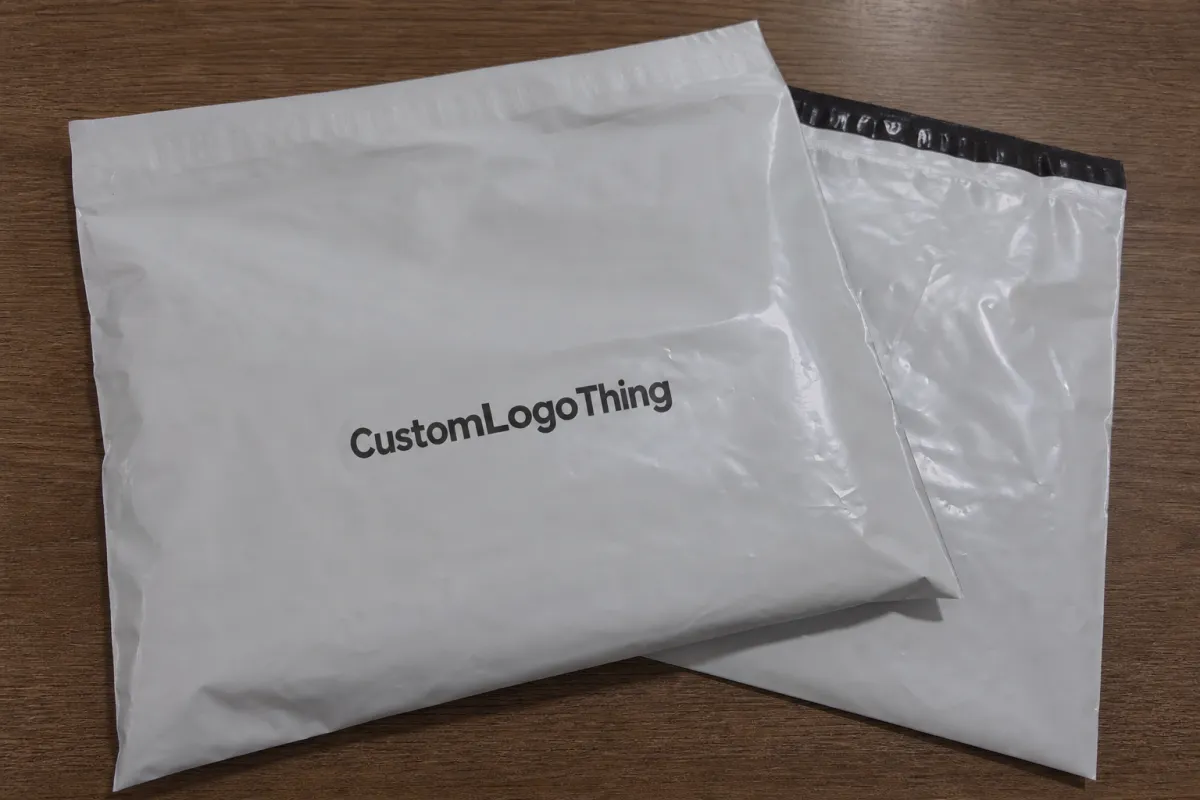
The uncomfortable truth is that recycled mailers often close the price gap with virgin film once you count freight, print setup, and the cost of damaged shipments. A quote with a slightly higher unit cost can still win if the film ships more efficiently, prints cleaner, and cuts down on returns or replacement packs. That is the part many buyers miss.
For wedding packaging, the use case is usually small but visible. Think bridesmaid gift shipments, welcome kits, favor mailers, accessory drops, and lightweight apparel that needs to land neatly. These orders are not pallet-heavy industrial runs. They are presentation pieces. The package is part of the experience, so the cheapest option on paper is not always the cheapest option in practice.
That is also why a wedding recycled poly mailers Unit Cost Review should focus on total landed cost. Ask for the price of the mailer, the print setup or plate charges, the freight estimate, and any minimum-order surcharges in one view. If one supplier quotes a lower unit price but adds a high setup fee, the math can flip fast.
Quick rule: if a quote does not show quantity breakpoints, shipping assumptions, and print setup clearly, it is not a clean quote. It is a teaser.
Recycled-content mailers make the most sense for seasonal bridal launches, short-run brand drops, and gift shipments where image matters but rigid box packaging would add needless cost and weight. They also work well when a brand wants a more responsible-looking package without moving all the way into expensive rigid mailers or custom cartons.
If you need a basic standard for recycled-content language, EPA guidance on recycled content definitions is a sensible reference point: EPA recycled-content guidance. It will not replace a supplier spec sheet, but it helps you ask better questions.
Product details that matter for wedding orders
Recycled poly mailers are usually made from post-consumer or post-industrial recycled polyethylene blends, sometimes with a mix of recycled and virgin material for consistency. The exact claim matters. “Recycled” is not a full spec. Buyers should ask for the recycled-content percentage, the basis of the claim, and any documentation the supplier can provide before they treat the line item as verified.
That sounds picky because it is. But buyers get burned when a supplier says “eco-friendly” and cannot show what that means. A supplier who can explain whether the material is PCR, PIR, or a blended film is already ahead of the pack. For wedding brands, that transparency matters because customers often ask about sustainability as part of the buying story.
Closure style matters more than people expect. A strong pressure-sensitive adhesive flap is usually the best choice for apparel, favor kits, and soft goods. It closes quickly and keeps the package looking tidy. A weaker adhesive saves pennies and then creates returns, resealing problems, and customer complaints. That is not a great trade.
Finish matters too. Matte films tend to look more premium and hide handling marks better. Gloss films can sharpen color and make a bright logo pop, but they also show scratches and fingerprints more easily. For weddings, I usually see matte or soft-gloss finishes perform better because the package feels calmer and more deliberate.
- One-color logo print is the cheapest clean option for most wedding brands.
- Simple wraparound artwork adds visual coverage without turning the mailer into a poster.
- White ink on darker films usually costs more, but it gives much better contrast.
- Full-coverage print looks strong on arrival, yet it raises setup and print complexity.
For buyers comparing wedding recycled Poly Mailers Unit Cost Review notes across suppliers, this is where the product details start moving the number. Better closure film, tighter gauges, and cleaner print all add cost. They also add fewer headaches. You pay for the difference somewhere.
Good packaging is not magic. It is fit, closure, and print discipline. For wedding shipments, that is usually enough. If you need a durable transit benchmark, ISTA’s parcel testing framework is worth knowing: ISTA testing standards. You do not need to become a test engineer. You do need a supplier who understands why puncture resistance and seam quality matter.
Thickness, sizing, and print specs buyers should compare
Three specs move performance more than any sales pitch: film thickness, seam construction, and adhesive flap quality. Thickness is usually measured in mils or microns, depending on the supplier. For light wedding apparel or favor kits, a lighter film may be fine. For boxed gifts, heavier garments, or items with sharp corners, you want a sturdier film and better puncture resistance.
Size selection matters because oversizing wastes material and raises freight, while undersizing slows fulfillment and makes the package look sloppy. A mailer that fits neatly around the product also reduces movement in transit. That sounds minor. It is not. A good fit improves both presentation and damage control.
Here is the practical way I look at sizing: choose the smallest mailer that allows easy packing with enough room for the adhesive flap to seal cleanly. If the item has irregular edges, allow a little buffer for the corner folds. Do not buy a big generic size just because it is easier to quote. That convenience gets expensive across a run.
Artwork placement deserves the same discipline. Keep the logo in a clear print zone, leave enough margin from the seal edge, and confirm bleed allowances before approval. A pretty mockup is not a print-ready file. If your supplier does not check it, they are handing you a problem disguised as customer service.
Color matching is another point where buyers underestimate the risk. Recycled film can vary slightly in tone between batches, so a soft neutral brand palette usually behaves better than a demanding exact-match color that needs a very tight print window. If brand consistency is critical, ask for a physical proof or a production sample before full release.
For a clean comparison, line up standard sizes against custom dimensions and ask one blunt question: does the custom size save enough material, freight, or packing time to justify the added setup charge? Sometimes yes. Sometimes the stock size is the smarter buy. Packaging people love to overcomplicate this. The math usually does not.
| Option | Typical unit cost | MOQ | Best fit | Tradeoff |
|---|---|---|---|---|
| Stock-style recycled mailer, no print | $0.12-$0.22 | 500-1,000 | Fast launches, basic shipping | Least brand impact |
| One-color logo mailer | $0.18-$0.38 | 1,000-3,000 | Bridesmaid gifts, apparel, favors | Setup charges may apply |
| Custom size, printed recycled mailer | $0.28-$0.65 | 3,000+ | Branded kits, repeat programs | Higher tooling fees and longer lead times |
The table is not a promise. It is a buying range. A supplier’s actual price per piece depends on film gauge, print coverage, shipping lane, and whether the run needs plate charges or tooling fees. But it gives you a sane way to compare quotes without getting trapped in vague “best price” language.
Pricing, MOQ, and unit cost bands that shape the quote
Quantity is the biggest lever. After that comes size, thickness, number of print colors, recycled-content requirements, and shipping distance. If you are ordering for a wedding season launch, your production window is usually shorter, which means you pay more for speed unless the spec is simple and the files are ready.
A useful wedding recycled poly mailers Unit Cost Review should compare at least three quote levels. I like 1,000, 3,000, and 5,000 units because the breakpoints usually reveal whether the supplier is giving real bulk pricing or just filling space on a quote sheet. If the price barely moves between tiers, something is off or the product is not being quoted honestly.
MOQ is not a punishment. It is how suppliers protect print setup, film conversion, and inventory risk. For stock-style or lightly customized orders, you may see 500 to 1,000 units. For fully custom dimensions and printed films, 1,000 to 3,000 units is common, and some programs start higher once the artwork or size gets more specific.
Setup charges usually show up in one of three places: print plate charges, file preparation fees, or special production setup for custom dimensions. Tooling fees are less common for simple mailers than for rigid packaging, but they can appear if the supplier needs a custom bag-making setup. Ask directly. Do not guess.
Here is the practical part: unit cost drops as volume rises, but cash flow, warehousing, and reorder timing become the real constraint. A cheaper 5,000-piece run is not a win if you only need 1,200 pieces before the season changes. Dead inventory is still inventory. It just sits there looking expensive.
For many wedding brands, the sweet spot is a mid-volume run with one-color print and a standard size. That usually gives enough branding to feel intentional without pushing the packaging budget into the same territory as custom cartons. If your product line is small and seasonal, keep the spec tight and the print simple. Fancy is not always efficient.
Lead freight also matters. A low factory price with expensive delivery can erase the savings. If the supplier is offshore, ask for a landed estimate to your destination instead of a factory-only quote. That is the only way to compare bulk pricing fairly.
Process, lead time, and approval steps from quote to delivery
The working sequence should be straightforward: inquiry, spec confirmation, artwork review, proof approval, production, inspection, and freight booking. If a supplier cannot explain those steps in plain language, the order will probably become more complicated than it needs to be. Clear process is a sign of operational maturity, not marketing polish.
Delays usually happen in predictable places. Artwork is not print-ready. The recycled-content paperwork is missing. The buyer keeps changing the size after proofing. Or someone approves a layout without checking the seal margin. None of that is mysterious. It is just expensive.
For timing, a realistic range is often 7-12 business days for sampling after the key details are locked, then 10-20 business days for production after artwork approval on a standard run. Larger or more custom orders can run longer. Domestic freight is simpler; overseas shipping adds more variability, especially if the lane is crowded or the deadline is tight.
If the supplier offers a “fast turnaround,” ask what they mean by fast. Does that include proof revision time? Does it start at artwork approval or at payment? Does the estimate assume in-stock film or a custom batch? That level of specificity separates a real schedule from a sales promise.
Clean files help more than people think. Vector logos, Pantone references if needed, and a proof that clearly marks the print zone reduce back-and-forth. Fewer revisions save time, but they also reduce the risk of color drift or alignment mistakes. Speed comes from discipline, not wishful thinking.
For buyers who want a cleaner purchasing process, use this sequence:
- Confirm dimensions, quantity, recycled-content target, and print colors.
- Request a quote with unit cost, setup charges, and freight shown separately.
- Review the proof against the seal edge, bleed, and logo placement.
- Approve a sample if the order is brand-sensitive or the film is new.
- Lock the spec before production starts, then keep changes off the table.
That approach keeps the wedding recycled poly mailers unit cost review grounded in actual buying steps instead of rough guesses. It also keeps everyone honest about the schedule, which is useful when a launch date is already doing enough damage on its own.
What a reliable supplier should prove before you order
A reliable supplier should prove four things before you place an order: recycled-content transparency, seam quality, color consistency, and test results that match the product’s use case. Glossy sales language is not proof. A spec sheet, sample, and a clear production method are better than a polished brochure every time.
Samples matter more than promises because wedding packaging is judged visually before anyone thinks about material origin. If the bag feels flimsy, prints muddy, or has a weak adhesive edge, the customer notices that first. The sustainability message comes second. Maybe third.
I also pay attention to repeat-order discipline. If a supplier can hold the same size, print position, and film feel across replenishment runs, future buys are easier to forecast and faster to approve. That consistency is one of the hidden values in custom packaging. It keeps the brand from drifting every time you reorder.
Service details matter more than most sales decks admit. Fast responses, clean quoting, and honest freight guidance become crucial when deadlines are tight. If a supplier dodges the question “What will this cost landed?” you should assume the answer is less attractive than it should be.
For brands that want a stable sourcing relationship, ask whether the supplier can support a simple repeat program with saved specs and stored artwork. That cuts approval time and makes a future wedding recycled poly mailers unit cost review much easier, because you are comparing against a known baseline instead of starting from zero every season.
Some buyers also want proof that the packaging will survive the actual shipping route. That is fair. Ask whether the supplier has done transit testing that maps to your parcel profile, especially if the product ships through standard courier networks. If you want to speak the same language as the test lab, ISTA is the place to start.
Next steps to request a useful quote and compare options
Before you request pricing, gather the details that actually change the quote: dimensions, quantity, print colors, target ship date, destination, and any recycled-content requirement. If you already know the product weight and whether the mailer will carry apparel, favor items, or boxed gifts, include that too. It saves everyone from guessing.
Ask for three quote levels with matching specs. Same size. Same film thickness. Same print count. Different quantity tiers. That is the cleanest way to compare unit cost without mixing apples, oranges, and somebody else’s shipping assumptions. If the supplier cannot quote that way, the numbers are probably not ready for a buying decision.
Check three things before approval: the sample, the proof, and the freight estimate. A cheap quote can turn expensive fast if the sample disappoints or the transit cost wipes out the savings. This is where a careful buyer separates real value from low-number theater.
If you are still deciding between a basic recycled mailer and a more polished custom version, keep the decision centered on presentation, protection, and landed cost. The best option is not the fanciest one. It is the one that fits your product, your volume, and your deadline without creating waste you cannot use.
That is the point of a serious wedding recycled poly mailers unit cost review: not chasing the lowest sticker price, but choosing packaging that makes sense for the shipment, the brand, and the budget. That is how you buy smart instead of buying twice.
What drives wedding recycled poly mailers unit cost up or down?
Quantity is the biggest lever, followed by size, thickness, print colors, and shipping distance. Higher recycled-content documentation requirements can add time or cost, but they also reduce buyer risk. Complex artwork or special finishes usually cost more than a simple logo print.
Are recycled poly mailers strong enough for wedding apparel and gifts?
Yes, if the film thickness and seam strength match the product weight. They work well for soft goods, favors, and boxed gifts, but sharp or heavy items may need extra inner protection. Always ask for samples and check puncture resistance before you place a full run.
What MOQ should I expect for custom wedding mailers?
Stock-style or lightly customized orders may start around 500 to 1,000 units. Fully custom print runs often sit closer to 1,000 to 3,000 units or higher. The more custom the size and print, the higher the MOQ tends to climb.
How long does production usually take after artwork approval?
Simple jobs move faster, but a realistic production window is often 10 to 20 business days. Sampling, proof changes, and freight booking can extend the timeline. International shipping usually adds more variability than domestic delivery.
What should I send for a fast quote on wedding recycled poly mailers?
Send dimensions, quantity, print colors, shipping destination, and your target delivery date. Include logo files or artwork and note any recycled-content or finish requirements. The more exact the spec sheet, the less back-and-forth you will need.


