Retail Merch Beanies Unit Cost Breakdown for Buyers
Why Beanies Can Outsell Bigger Merch at a Lower Risk
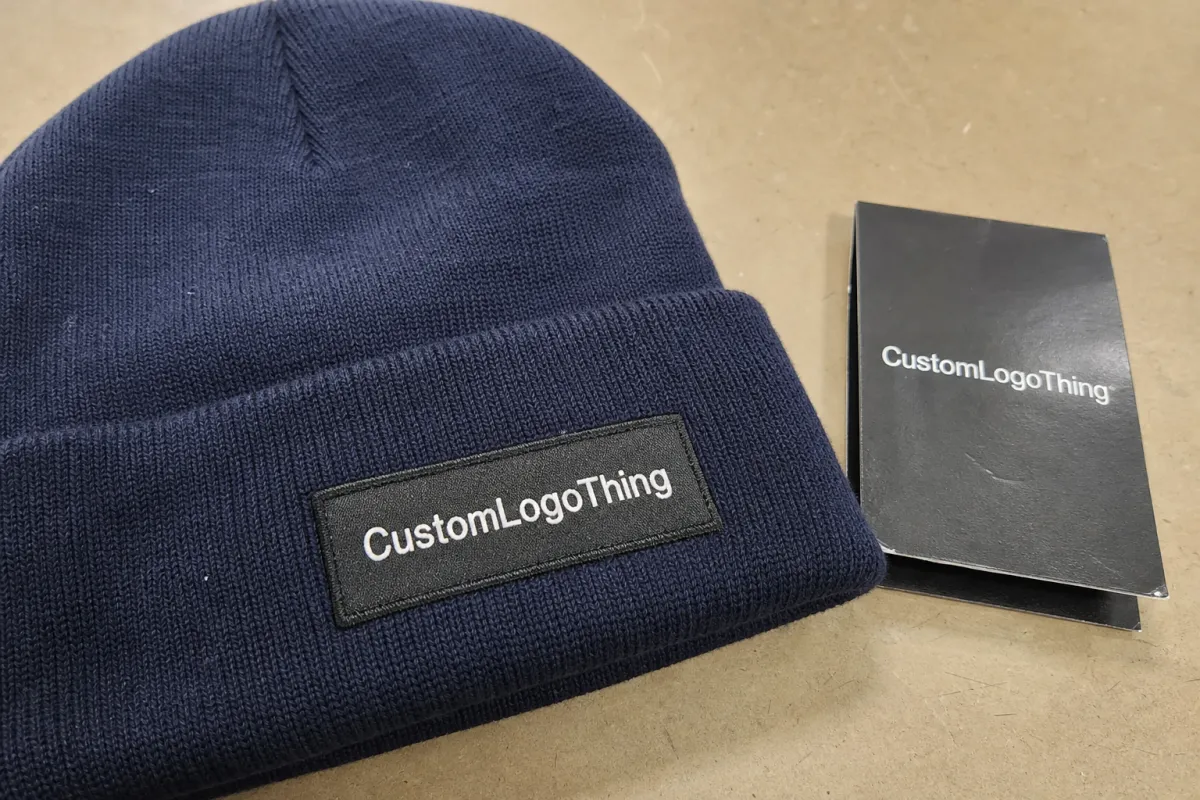
A $12 beanie can feel more valuable than a larger giveaway if the shopper wears it all winter. Buyers searching for a retail merch Beanies Unit Cost Breakdown are not asking whether beanies work. They are trying to find the spots where margin gets quietly shaved down before the purchase order is signed.
Beanies have a practical advantage over heavier apparel. A hoodie needs size curves, color planning, more carton space, and a strategy for the extra smalls or 3XLs that linger after the common sizes sell out. A one-size knit cap cuts that risk. Not to zero. Fit, stretch, cuff height, and material still matter. But the buying math is cleaner.
That is why beanies keep showing up in brewery merch walls, outdoor retail counters, campus stores, employee shops, music drops, and winter gift kits. They are small, useful, easy to display, and cheaper to ship than bulky fleece. In practice, 500 cuffed beanies can take up a fraction of the storage space needed for 500 hoodies. Freight, receiving labor, backroom storage, and event transport all get easier.
Perceived value does not come from the knit alone. It comes from cuff depth, logo placement, texture, label quality, color discipline, and packaging. A basic acrylic cuff beanie with a crooked patch looks like an afterthought. The same base product with a clean woven patch, a retail belly band, and a barcode label can feel ready for a $18 to $28 shelf price, depending on the brand and sales channel.
Buyer reality: the cheapest beanie on the quote sheet is rarely the most profitable one. The better target is the lowest landed cost that still protects retail perception.
Packaging is not decoration’s boring cousin. Hang tags, belly bands, Custom Poly Bags, inner carton counts, barcode labels, and retail-ready bundles affect how fast the product is received, displayed, scanned, and sold. A clean unit cost review has to include those details. Otherwise, the quote looks tidy right up until someone has to relabel 800 units by hand. Fun little surprise. Nobody enjoys it.
Retail Merch Beanies Unit Cost Breakdown by Material and Build
The main cost drivers are predictable: yarn type, knit density, beanie style, decoration method, packaging, order quantity, and freight. The problem is that many quotes flatten those variables into one decorated unit price. That makes supplier comparison look easy and purchasing decisions less reliable.
Acrylic is the budget workhorse. It is widely available, consistent, and usually suitable for volume runs. Soft acrylic blends can improve hand feel without jumping into premium yarn pricing. Recycled yarn can support sustainability positioning, but the buyer should check certification claims, color range, and MOQ early. Wool blends sit higher because fiber cost, care labeling, and customer expectations all change.
Construction matters just as much as fiber. Cuffed beanies usually offer the best decoration zone because the fold creates a stable front panel. Slouch styles may use more material and can be harder to display neatly. Pom beanies add a component and increase packing volume. A denser rib knit raises unit cost, but it also reduces the risk of a thin, see-through cap that saves pennies and damages the brand. Great trade. Absolutely not.
A useful Retail Merch Beanies unit cost breakdown separates the base product from decoration, setup charges, packaging, freight, and any duties or special handling. Two beanies with the same logo can land at very different costs if one uses a stock blank with embroidery and the other uses custom yarn color, jacquard knitting, a woven label, and private-label packing.
| Build Route | Typical Buyer Fit | Cost Behavior | Common Watchout |
|---|---|---|---|
| Stock acrylic cuff beanie | Events, employee merch, quick retail tests | Lower MOQ and faster turnaround; decoration drives most variation | Limited stock colors and less control over knit weight |
| Soft acrylic blend | Retail merch needing better hand feel | Moderate increase over basic acrylic | “Soft” is subjective; request a sample when timing allows |
| Recycled yarn option | Sustainability-positioned drops | Can require higher MOQ and documentation review | Claims should match real supplier records or certifications |
| Wool blend or premium knit | Higher retail price points and limited runs | Higher base cost and more care-label scrutiny | Not every customer wants wool care requirements |
| Fully custom jacquard knit | Planned merch programs and brand stores | Better at scale; setup and sampling carry more weight | Logo simplification may be needed for knit clarity |
Ask for the quote structure. Base beanie. Decoration. Digitizing, mold, or tooling fees. Sample cost. Packaging. Freight. Duties, if applicable. A quote that hides those details may still be valid, but it gives the buyer fewer ways to improve margin without weakening the product.
Decoration Options That Change Pricing, Margin, and Shelf Appeal
Decoration turns a plain knit cap into merchandise. It is also where cost creep loves to hide. The decoration choice should connect to logo legibility, brand position, reorder consistency, shelf appeal, and production tolerance. Treating it as a late line item is how buyers end up with a cheap-looking product that was not actually cheap.
Embroidery is familiar, durable, and widely available. It works well for simple marks and short text, especially on cuffed beanies. Pricing pressure comes from stitch count, logo size, thread colors, and placement count. A small 2.25-inch logo can behave well. A wide, dense badge with tiny lettering may pucker, cost more, and still look worse than a patch.
Woven patches are strong for detail. They hold small type, fine outlines, and repeatable color better than embroidery in many cases. The patch is produced separately and then sewn or heat-applied to the beanie, which can help repeat orders stay visually consistent. Leatherette patches create an outdoor, brewery, ranch, or heritage feel, but the artwork needs enough contrast for engraving or deboss-style detail. Rubber patches look more modern and tactile. They work best with bold marks, not fragile typography.
Jacquard knit logos are different. The logo is built into the knit structure instead of applied later. Done well, it looks integrated and intentional. Done lazily, it looks like the logo was fed through a waffle iron. Custom knit usually makes more sense for planned merchandise programs because artwork simplification, sampling, and MOQ can affect both cost and schedule.
- Embroidery: best for simple logos, moderate detail, and familiar retail presentation.
- Woven patch: strong for small text, clean edges, and repeatable brand marks.
- Leatherette patch: useful for outdoor, brewery, ranch, and heritage-style merchandise.
- Rubber patch: effective for bold marks, streetwear drops, employee stores, and youth-oriented merch.
- Jacquard knit: strongest when the beanie itself needs to carry the design language.
The common mistake is choosing decoration only by unit price. That savings can disappear fast if the logo is unreadable, the patch feels wrong for the retail environment, or the reorder arrives with noticeably different placement. On beanies, front placement tolerance is obvious because the cuff line gives the eye a ruler. A patch that is tilted by a few degrees looks worse than it sounds on paper.
For larger retail programs, packaging and transit requirements may also matter. Organizations such as ISTA publish packaging test standards that can be relevant when cartons move through parcel networks or retailer distribution centers. Beanies are soft goods, yes. Labels, cartons, and retail packs still need to arrive clean, scannable, and shelf-ready.
Specifications Buyers Should Lock Before Requesting a Quote
Vague specs create vague pricing. Before requesting a Retail Merch Beanies unit cost breakdown, lock the main variables: beanie style, yarn type, color count, decoration method, logo size, placement, packaging, quantity, delivery address, and in-hands date. Basic? Yes. Also the difference between a real quote and a wish with a dollar sign attached.
Pantone matching deserves early attention. If the buyer can use an available stock shade, the schedule is easier and the MOQ may stay lower. If the buyer needs a custom yarn color, lead time and minimums can rise because the yarn may need to be sourced or dyed. Not every project gets hit with that, but it happens often enough that the question belongs at the start.
One-size does not mean one-fit. Cuff height, crown depth, stretch, and knit tension decide whether the cap feels retail-grade or promotional. A 3-inch cuff gives more decoration room than a shallow cuff. A loose knit may feel soft but lose shape quickly. A tight knit can feel premium, but if it lacks stretch, customers notice immediately. Retail buyers should ask for measurements, not just adjectives.
Packaging belongs in the first quote request, not in a late email after pricing has been approved. Hang tags, belly bands, barcode labels, Custom Poly Bags, inner carton counts, and retail-ready bundles all influence labor, material use, and carton configuration. A 100-piece inner carton requirement, for example, can affect packing labor and receiving accuracy for multi-location shipments.
Compliance is not glamorous. It is necessary. Fiber content, country of origin, care instructions, and retailer-specific barcode or carton requirements should be confirmed before production. If sustainability claims are involved, buyers should ask for documentation rather than relying on a product nickname. The Forest Stewardship Council is relevant when paper hang tags, belly bands, or cartons are specified with FSC materials, but the claim must match the certified paper source and print chain.
Send vector artwork early. A supplier can flag embroidery limits, tiny patch details, poor contrast, or knit-logo simplification before sampling. That one step can save a week. Sometimes more.
Pricing, MOQ, and Quantity Breaks Without Guesswork
MOQ changes by sourcing route. Stock blank programs can often start at lower quantities because the base product already exists. Fully custom knit programs, custom colors, special patch materials, and private-label packing usually need higher volume because setup charges, sourcing time, and production planning have to be absorbed somewhere.
Quantity breaks are not magic discounts. They are math. Digitizing, patch molds, sampling, carton setup, proofing labor, and freight minimums spread across more units as the order grows. If a woven patch has a setup charge or a rubber patch needs tooling, the cost per piece may look painful at 144 units and much cleaner at 500 or 1,000 units.
A serious quote should show the buckets: base beanie, decoration, setup or digitizing, sample if needed, packaging, carton labeling, freight, duties if applicable, and rush fees. The lowest product unit cost can lose after decoration and shipping are included. Landed cost matters more than the first number in the email.
Ask for two or three quantity tiers. A conservative launch order might protect cash. A stronger margin tier might lower the landed cost enough to improve resale economics. A reorder-ready volume tier can show whether the program scales. For retail buyers, the better question is not “How cheap can this be?” It is “Can this product support the planned price without looking cheap?”
| Quote Tier | Typical Use | Margin Question to Ask |
|---|---|---|
| Small launch quantity | Testing a merch concept, event table, limited drop | Can the higher landed cost still work at the planned retail price? |
| Mid-volume order | Brand store, campus shop, employee store | Do bulk pricing and freight efficiency improve the cost per piece enough? |
| Higher-volume program | Multi-location retail, seasonal campaign, replenishment plan | Can inventory sell through before cash is trapped in slow-moving colors? |
Run the margin calculation against the real channel. A $6.80 landed beanie may work at a $22 retail price, but not as a $9 internal merch item. A $10.50 landed premium beanie might make sense for a brand store with a $30 shelf price. Context decides. So does sell-through. A beautiful margin on unsold inventory is just storage with branding.
Process and Timeline From Artwork to Delivered Beanies
The production path usually follows a clear sequence: discovery, specification confirmation, artwork review, quote, proof, sample if needed, production approval, manufacturing, quality check, packing, freight, and delivery. Miss one approval and the calendar slips.
Delays tend to come from the same places. Artwork arrives as a low-resolution PNG instead of vector art. Pantone decisions are made after the quote. The decoration proof gets revised three times. Custom yarn sourcing takes longer than expected. A sample sits unapproved for four days. The delivery address changes after cartons are labeled. None of these problems are exotic. They are just expensive in slow motion.
A pre-production sample is worth the time and cost for new retail launches, premium patches, custom knit designs, and orders where color or fit must be verified. For a reorder of a stock beanie with the same embroidery file, a digital proof may be enough. The right choice depends on order value, timeline, and risk tolerance.
Deadline-driven orders should use the fastest path available: stock beanies, standard yarn colors, embroidery or an existing patch style, simplified packaging, and consolidated approvals. Often, 12 to 15 business days from proof approval is realistic for simpler decorated stock programs. Custom builds can require several additional weeks. Freight method changes the final date, and rush fees do not fix late approvals. They just make the invoice more dramatic.
Work backward from the in-hands date. Leave buffer for proofing, production variance, transit delays, and receiving inspection. A confident quote should state more than price. It should name the approval deadline required to protect delivery.
Practical rule: if the quote does not name the approval deadline, the delivery promise is weaker than it looks.
Time belongs in the cost review because rushed decisions usually create either higher fees or lower product control. Sometimes both. That is how a beanie that looked affordable in planning becomes annoying in receiving.
How Custom Logo Things Reduces Quote Noise and Reorder Risk
Custom Logo Things treats custom beanies as both merch and retail presentation. That distinction matters. A beanie does not live only on a spreadsheet. It gets unpacked, scanned, displayed, touched, tried on, purchased, gifted, and reordered. Each step can protect margin or chip away at it.
The team focuses on quote clarity, specification control, and repeatable production. That means helping buyers choose between stock, semi-custom, and fully custom routes based on budget, timeline, margin goal, and brand expectations. A brewery drop with a leatherette patch does not need the same plan as a university store replenishment order or a corporate employee shop with strict color standards.
Packaging planning can improve profitability because the product and presentation are built together. A belly band may support shelf blocking. A hang tag may explain fiber content or brand context. A barcode label may be non-negotiable for retail receiving. Inner carton counts can reduce warehouse confusion. None of these pieces should appear after production as a surprise charge.
Documentation is the quiet insurance policy. Artwork checks, decoration recommendations, packaging details, carton requirements, and reorder notes help prevent drift between the first order and later runs. If the first production uses a 2.5-inch woven patch centered 1 inch above the cuff seam, the reorder should not become a 2.25-inch patch placed by guesswork.
Quality-control checks should be concrete: logo placement, patch alignment, knit consistency, color accuracy, packing count, carton labeling, and visible defects. For larger retail programs, those checks can be the difference between clean receiving and a chain of corrective emails that burns staff time.
The result is not mysterious. Fewer quote surprises. Cleaner approvals. Better retail presentation. More reliable reorders. That may not sound flashy, but buyers do not need fireworks. They need beanies that arrive on spec and make financial sense.
Next Steps to Get a Clean Beanie Quote
Start with the facts. A supplier can price faster and more accurately when the quote request includes target quantity, preferred beanie style, artwork file, decoration preference, packaging needs, delivery location, in-hands date, and target landed cost. If the target cost is unrealistic, a good partner should say so early and show alternatives.
Reference photos help. Cuff height, knit density, patch texture, and retail packaging can be hard to describe in words. A photo of the desired beanie feel, even from another category, can shorten the approval process and reduce subjective revisions.
Ask for itemized pricing when comparing suppliers. Decoration, packing, freight, setup charges, and special handling should not hide inside a single number if the buyer needs a Real Cost Breakdown. A bundled price can be convenient, but it makes it harder to find savings without damaging the product.
Request alternate scenarios: one budget build, one retail-ready build, and one higher-volume margin build. The budget build might use a stock acrylic cuff and embroidery. The retail-ready build might use a woven or leatherette patch with belly band packaging. The higher-volume build might explore custom knit, improved bulk pricing, or a carton plan for multiple locations.
- Compare landed unit cost, not only the decorated unit price.
- Check whether the decoration method fits the logo at the requested size.
- Confirm packaging, barcode, carton, and label requirements before approval.
- Review the timeline by approval date, not just estimated ship date.
- Make sure the specs are written clearly enough to reproduce on reorder.
The strongest retail merch beanies Unit Cost Breakdown connects price to material, decoration, packaging, timeline, and margin before production starts. That is how buyers avoid surprise costs, protect retail value, and order beanies that look like merchandise instead of leftover promo stock.
Beanie Quote FAQ
What is included in a retail merch beanies unit cost estimate?
A useful estimate should include the blank or custom beanie, decoration, setup charges or digitizing, proofing, sampling if needed, packaging, carton labeling, freight, and any rush or special handling charges. Ask whether the number is factory cost, decorated cost, or landed cost. Those are not the same, despite how often they get treated that way.
How does MOQ affect the unit cost of custom retail beanies?
Lower MOQ usually means a higher unit cost because setup, artwork preparation, sampling, and freight are spread across fewer pieces. Higher quantities often unlock better pricing, but only if the extra inventory can realistically sell or be distributed before it ties up cash.
Which decoration method gives the best value for merch beanies?
Embroidery is often the most familiar and versatile option for simple logos. Woven patches are better for small details, leatherette or rubber patches can create a stronger retail look, and jacquard knit works best for planned custom runs where the design is part of the beanie structure.
How long does the beanie production timeline usually take?
Simple decorated stock programs may run around 12 to 15 business days after proof approval, depending on capacity, decoration, and shipping method. Custom colors, custom knit construction, special patches, samples, or retail packaging can add several weeks. Late approvals are the usual villain.
How can I lower my retail beanie cost without making the product look cheap?
Use a proven stock beanie style, limit color complexity, choose a decoration method that suits the artwork, and keep packaging intentional but not overbuilt. Request multiple quantity tiers and compare landed cost against the planned selling price, not just the lowest quoted unit cost.


