A skincare cuffed knit beanies Unit Cost Review usually starts with one practical question: how do you get a beanie that feels giftable, fits the brand, and stays inside a workable landed-cost target? For skincare launches, the answer depends less on fashion and more on spec control, because small changes in yarn, cuff height, or logo method can move the number quickly.
Why Buyers Request Cuffed Knit Beanies for Skincare Launches
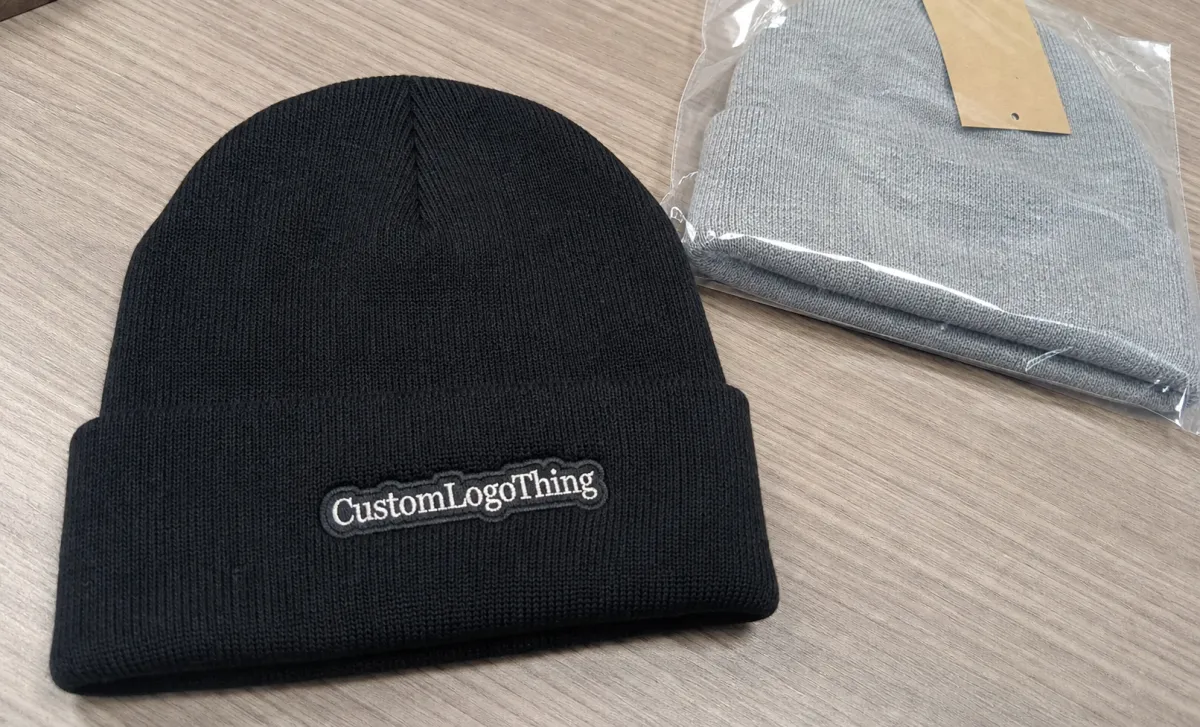
Buyers usually ask for Cuffed Knit Beanies because the format fits a lot of commercial uses without creating a heavy development burden. Winter kits, spa retail, creator mailers, staff uniforms, and seasonal gift-with-purchase programs all benefit from a product that is useful, visible, and easy to size. That is why a skincare cuffed knit Beanies Unit Cost Review is not just a style discussion; it is a buying exercise focused on margin, presentation, and repeatability.
The practical appeal is straightforward. A cuff gives you a stable branding zone, the knit body gives warmth without feeling bulky, and the one-size stretch profile reduces the risk of returns or fit complaints. In a skincare program, that matters because the hat is often paired with a cleanser set, facial tools, or a holiday bundle, and the buyer wants something that feels intentional rather than random filler.
From a cost angle, the landed number is shaped by material, stitch density, decoration method, packaging, and freight. A thick rib knit in a wool blend will cost more than a lighter acrylic build, but the higher hand feel can justify the price if the beanie sits in a premium retail box. If the goal is bulk efficiency for a wide mailing, a simpler knit with restrained branding is usually the better fit.
Yarn, Cuff Construction, and Decoration Choices That Change the Hand Feel
The yarn sets the first impression. Acrylic is common because it is soft enough for gift programs, holds shape well, and usually keeps the cost per piece manageable. Recycled blends support a sustainability story, while wool or wool-rich blends bring more warmth and a more refined hand feel. Mixed yarns sit in the middle, giving a balanced touch without pushing the price too far upward.
Cuff construction matters just as much. A deeper cuff creates more room for a logo, keeps the beanie sitting securely, and gives the product a more substantial look on shelf. Rib structure and gauge affect stretch recovery and how neatly the beanie folds for shipment or display. If a brand wants a cleaner retail silhouette, the spec should define cuff height, crown depth, and target stretch before sampling starts.
Decoration method changes both appearance and cost. A woven patch looks polished and can hide small stitch irregularities in the knit. Embroidery gives a direct branded look, but dense thread fills can make the cuff feel stiff if the artwork is too heavy. Woven labels and sewn-in tags work well for private-label finishing when the buyer wants something subtle. The key is matching logo detail to the size and surface area available.
Packaging can raise perceived value without changing the beanie itself. A folded insert with a belly band, a neat polybag, or a clean hangtag can make a bulk run feel retail-ready. For a skincare set, that presentation sometimes matters as much as the knit quality, because the hat has to sit beside carefully designed cartons, jars, and tissue.
| Material / Build | Typical Feel | Decoration Fit | Unit Cost Impact |
|---|---|---|---|
| 100% acrylic, standard gauge | Soft, light, easy to stretch | Embroidery, woven patch, label | Lowest to moderate |
| Recycled acrylic blend | Softer hand, greener story | Patch, embroidery, sewn label | Moderate |
| Wool blend | Warm, denser, more premium | Patch or clean embroidery | Moderate to higher |
| Custom knit with private-label finishing | Tailored, retail-forward | Label, tag, patch, mixed finishes | Higher |
Fit, Warmth, and Shelf-Ready Specs to Lock Before Quoting
Before anyone asks for bulk pricing, the fit range should be clear. Unisex stretch is common, but some buyers want a deeper sit that covers more of the ear, while others want a shorter fashion profile. That decision changes the finished length and can affect how the cuff reads once the beanie is folded for shipment or retail display.
Color control also needs attention early. Stock yarn shades can keep MOQ lower and shorten lead time, while yarn-dyed or custom-matched programs may require a bigger order and a more careful color approval cycle. Pantone matching is sometimes possible, but knit texture and stitch density can shift the visual result. In practice, a close visual match is often more practical than chasing an exact laboratory target.
Logo placement should be set before artwork is approved. The front cuff is the most common position, but some brands use a side placement or a back seam detail for a quieter look. The bigger issue is centering, because a knit surface is less forgiving than a flat carton panel. A design that looks balanced on screen can drift once the cuff is folded, so the tech pack should state exact placement allowance and finished size.
Approval mistakes usually happen when the artwork is too small, the stitch detail is too fine, or the care instructions are missing. Thin letters can blur in embroidery, and tiny icon marks may disappear in a woven patch if the thread count is too high for the area. Buyers who prepare a clear file and a simple note on intended use cut down on back-and-forth and protect the schedule. For transit and outer packaging expectations, it also helps to align the shipper box plan with recognized testing and material standards from sources like ISTA and paper-based sourcing guidance from FSC.
Skincare Cuffed Knit Beanies Unit Cost Review: Pricing, MOQ, and Quote Inputs
This is the section most buyers want first. A skincare cuffed knit Beanies Unit Cost Review should compare the same spec across more than one volume break, because the real value shows up in the spread between sample-scale pricing and bulk pricing. Simple builds with stock yarn and a basic embroidered logo often carry a lower MOQ, while fully custom color runs or special label programs usually push the minimum upward.
The biggest drivers are easy to name but easy to understate: yarn type, stitch count, number of colors, decoration method, packaging, and order quantity. Add in setup charges for woven patches, label programs, or other finishing steps, and the quote can move quickly. Some buyers call these tooling fees, although in knitwear the charge is often tied more to setup than to hard tooling in the mold-making sense. Either way, it belongs in the budget.
For a rough planning view, these ex-factory ranges are common enough to use as a starting point, not a promise. They help a buyer decide which spec is worth quoting and which one is likely to miss the budget before the sample round even begins.
| Build | Typical MOQ | Indicative Unit Cost | Notes |
|---|---|---|---|
| Stock acrylic, one-color embroidery | 100-300 pcs | $2.10-$3.40 | Best for test runs and tighter budgets |
| Acrylic blend, woven patch | 300-500 pcs | $2.60-$4.10 | Balanced look for retail kits |
| Recycled blend, label plus belly band | 500-1,000 pcs | $3.10-$5.20 | Good for brand-forward packaging |
| Wool blend, custom color, private-label finishing | 1,000 pcs+ | $4.40-$7.50 | Premium tier with stronger shelf presence |
Buyers should ask for pricing at several volume breaks, because the cost per piece can fall noticeably once the production line is set. A 300-piece run may look expensive next to a 1,000-piece run, but that does not always mean the larger order is the best choice. If the launch is uncertain, it can be smarter to place a smaller first order and keep the spec ready for a reorder once demand is proven.
To compare suppliers fairly, ask for the same inputs every time: quantity, target price, artwork files, label style, shipping destination, and deadline. Then look at ex-factory pricing and landed cost separately. A cheap unit price can get diluted fast by freight, customs handling, carton repackaging, or urgent air shipment. The best quote is the one that still works after those extras are added.
Production Steps, Lead Time, and Shipment Milestones
The cleanest programs follow a simple sequence: specification review, artwork proof, sample approval, production, quality check, and final shipment booking. The first stage is where most delays get prevented, because a complete tech pack lets the factory quote the right build instead of guessing. If the buyer changes the cuff width, logo size, or packaging after proof approval, the schedule slips quickly.
Lead time depends on yarn sourcing, decoration complexity, sample revisions, production queue, and peak-season capacity. For many standard runs, 12-15 business days from proof approval can be realistic once materials are ready, but custom yarn sourcing or multiple label approvals can extend that window. If the launch date is firm, the safest move is to freeze the spec early and avoid late-stage artwork changes.
Expedited schedules can work, but only when the order is simple and the approval chain is short. A reorder is usually safer than a first-run rush because the spec has already been solved. The risk with a rushed first order is not just timing; it is also quality drift when the team is forced to approve samples too quickly. In a skincare program, that can mean a beanie that arrives on time but does not match the rest of the kit.
It helps to share milestone dates with everyone involved. A buyer can set internal expectations around proof delivery, sample dispatch, final QC, and freight booking, which keeps the launch team from treating the order like a black box. That transparency is useful when the beanies are part of a larger mailer or retail drop and the carton schedule has to line up with other printed components.
Branding, Labeling, and Pack-Out Details That Keep the Product Retail-Ready
A cuffed knit beanie can feel expensive or ordinary based on very small details. Crisp color matching, centered branding, and tidy label placement do a lot of heavy lifting. The same hat can read as a premium add-on in one package and as a generic giveaway in another, and the difference is usually in the finishing, not the fiber.
For skincare bundles, the beanie often sits beside products that already have strong visual discipline. That means the knit item has to hold its own. A clear woven patch, a discreet woven label, or a clean embroidery line can support a quiet retail look, while a bolder front cuff mark works better for team wear or promo distribution. Either way, the spec should make the branding intent obvious so the supplier does not improvise.
Good tech packs save time because they answer the questions that slow down samples: What is the minimum? Is there a sample fee? Can a reorder hold the same spec? Does the label need to be sewn into the cuff seam or applied externally? Those answers affect the quote and the production path. A disciplined pack-out plan also matters, including folding direction, banding, carton labeling, and insertion instructions for team-based distribution.
For shipping cartons and paper inserts, the buyer should think about the full path from packing bench to destination. If the product is going into retail or a national mailing, carton strength and insert quality should be chosen with transit in mind, not just shelf appearance. That is where common packaging guidance from sources like Packaging School / Packaging.org can help frame the discussion around materials, structure, and presentation without overcomplicating the order.
Next Steps: Artwork, Sampling, and Order Timing Checklist
If you are ready to request quotes, keep the brief tight. Confirm quantity, choose the yarn, pick the logo method, approve the fit, and verify the pack-out details. That five-point check removes most of the avoidable delays and gives the supplier enough information to quote honestly.
- Quantity: send one target run plus at least one alternate volume break.
- Yarn: note acrylic, recycled blend, wool blend, or another specific composition.
- Decoration: specify embroidery, woven patch, woven label, sewn tag, or a private-label combination.
- Artwork: provide vector files and a clear note on logo size and placement.
- Color: include Pantone references or approved yarn shades.
- Pack-out: state folding style, banding, polybag use, and carton labeling.
- Delivery: list the shipping destination and target in-hand date.
It also helps to ask for one quoted spec sheet with two or three pricing scenarios side by side. That makes it much easier for a purchasing team, brand manager, or founder to compare unit cost, MOQ, and timing without guessing. If one version is stronger on margin and another is stronger on shelf presence, the decision becomes practical instead of subjective.
For a buyer comparing options, the skincare Cuffed Knit Beanies unit cost review only works when the same spec, the same packaging, and the same destination are compared. Get those pieces lined up, and the quote becomes usable instead of vague, which is exactly what a launch team needs before placing the order.
FAQ
How do you calculate skincare cuffed knit beanies unit cost for a bulk order?
Start with yarn, stitch count, decoration method, and quantity, then add packaging and freight to get a true landed cost. Ask for pricing at more than one volume break so you can see how the per-piece number changes as the run gets larger. Compare the same spec across options, because a small change in logo method or label style can move the final unit cost.
What MOQ is typical for skincare cuffed knit beanies with custom branding?
MOQ depends on whether the beanie uses stock yarn, custom color yarn, embroidery, woven patches, or special labeling. Simpler builds usually allow lower minimums, while fully custom color matches and complex decoration often require higher quantities. If the order is tied to a launch date, ask whether the supplier can quote a lower test run and a larger reorder path.
Which decoration method looks most premium on cuffed knit beanies for skincare kits?
Woven patches and clean embroidery are common premium choices because they stay visible without making the knit feel heavy. Fine logos often work better as labels or patches than as dense embroidery, especially when the design has thin strokes. The right method depends on logo size, cuff width, and whether the buyer wants a subtle retail look or a bold branded look.
How long does production take after artwork approval?
Lead time starts after the proof and sample are approved, not when the first inquiry is sent. Timing depends on yarn sourcing, decoration complexity, factory queue, and whether the order needs a custom label or pack-out step. Rush timing is possible in some cases, but buyers should confirm the schedule early so the launch date is not built on assumptions.
What should I send to get the fastest quote on skincare cuffed knit beanies?
Send quantity, target price, logo files in vector format, preferred colors, labeling details, and the shipping destination. Include the intended use, such as retail, kit insert, staff wear, or event giveaway, because that can affect the recommended spec. The more complete the brief, the easier it is to compare options on unit cost, MOQ, and timeline without extra revisions.


