soap cuffed knit beanies Bulk Order Planning usually starts with one detail buyers think is small and later discover is doing a lot of heavy lifting: the cuff. A cuff that is only a little taller can change yarn usage, decoration space, fold stability, carton fill, and even how the hat presents in a polybag, so the smartest quotes start with the construction, not just the logo.
From a packaging buyer's point of view, a beanie order is a system. The body knit, cuff construction, label placement, packaging format, and shipping carton all affect the landed cost, which is why a neat photo sample is never enough by itself. If the spec is loose, the quote is loose. If the spec is clean, the production path is much easier to control.
For buyers comparing programs across Wholesale Programs, that discipline matters even more because one style often needs to be repeated across several quantities, colors, or delivery windows. The goal is simple: lock the right details early, avoid rework later, and make sure the final order still matches the margin you planned.
soap cuffed knit beanies bulk order planning: why one small cuff change can move your whole bulk budget
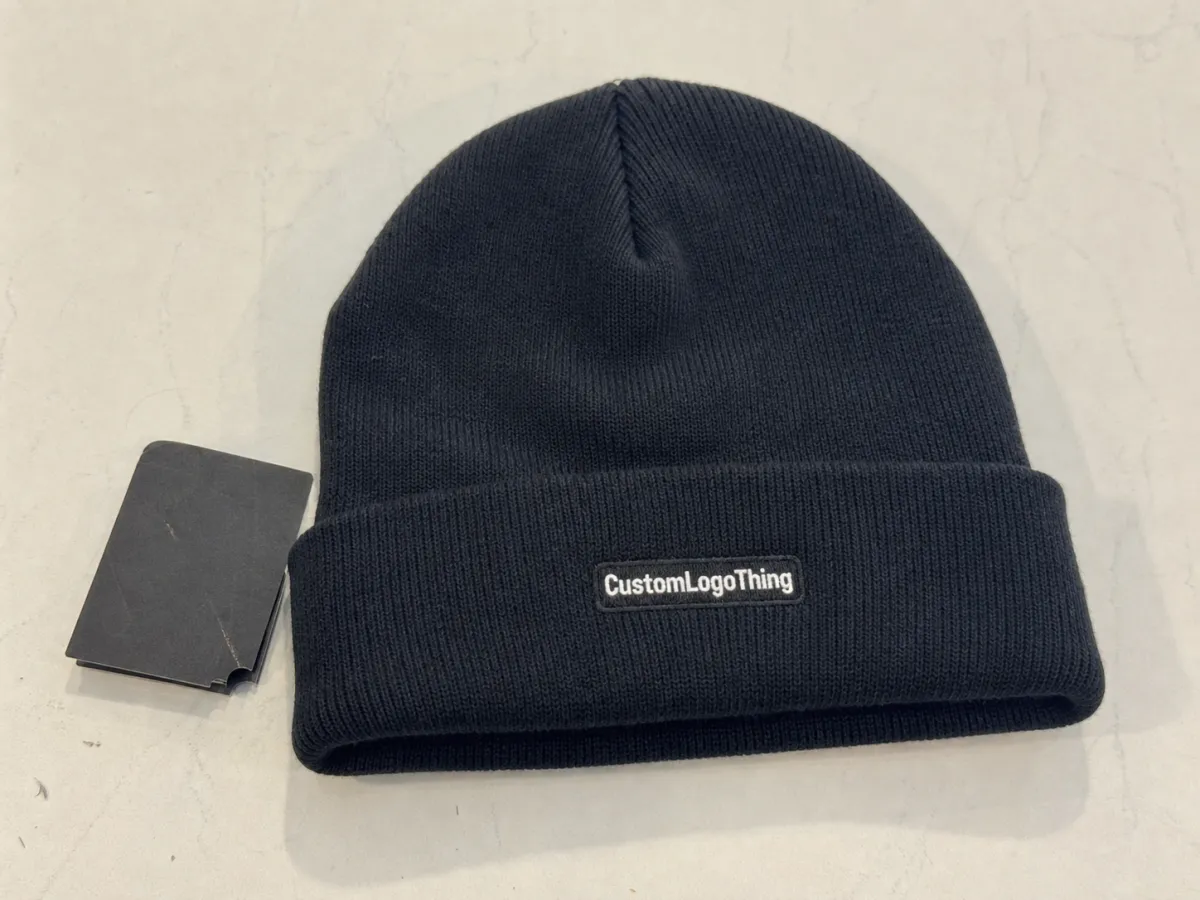
A cuff is not just a folded edge. In soap cuffed knit beanies Bulk Order Planning, that fold affects the pattern balance, the amount of yarn pulled into the knit, and the amount of real space available for a woven label or embroidery patch. A 2.5-inch cuff and a 3.5-inch cuff may look close in a mockup, but in production they can behave differently in stretch, bulk, and the way the beanie sits on a shelf.
That is why buyers should treat cuff height as a cost driver, not a cosmetic note. Taller cuffs often improve logo visibility and can make the beanie feel more substantial, but they also increase material consumption and can shift the visual proportions of the cap if the body knit is not adjusted with it. In practice, the wrong cuff depth can make a hat feel top-heavy, too short, or oddly compressed once it is folded for packing.
Another hidden issue is approval from a photo alone. A product image can hide stitch density, rib recovery, and fold memory. Those details are what determine whether the cuff springs back after handling or stays flat and neat after being packed and shipped. Buyers who skip a physical sample often discover that the finished beanie looks acceptable on screen, then arrives with a different hand feel or a looser edge than expected.
Think of the order as connected parts rather than one item. The knit body, cuff, label, packaging, and shipping carton all influence the final landed cost. A slightly denser knit might improve appearance, but it can also change production speed. A polybag that is too tight may save a little material but slow packing. A carton that is not sized to the folded beanie can waste space and push freight higher than necessary.
“The cheapest quote is not always the cleanest quote. Buyers usually save more money by tightening the spec before sampling than by chasing a lower unit price after the order is already in motion.”
That is the part many teams miss. A clean spec often protects budget better than aggressive negotiation, especially on custom knit goods where a small construction change can ripple across the whole run.
Construction choices that define the final look and feel
The final look of a knit beanie depends on more than color. Yarn type, knit gauge, rib tension, cuff fold, seam finish, and decoration method all affect how the piece wears and how it presents in bulk. A softer hand feel can be a plus for retail appeal, but if the knit is too relaxed, the beanie may not hold its shape during storage or transit.
Acrylic is still common for value-focused programs because it delivers reliable warmth, predictable dye behavior, and a lower price point than many specialty yarns. Blended yarns can bring a softer hand and sometimes a more premium drape, though they may raise cost and require tighter color control. Finer gauges usually look more refined, while coarser gauges often read more casual and work better for promotional budgets.
Decoration should be planned early because not every logo method fits every cuff. A woven label needs a clean, stable mounting area. An embroidered patch needs enough flat space and enough structure to stay visible. Direct embroidery works well for some logos, but dense stitch counts can pull on the knit if the base is too light. If the decoration is planned after the sample is built, the buyer often ends up adjusting the cuff or changing the logo size to make the placement work.
Fit should also be nailed down before the factory starts knitting bulk. Adult, youth, and unisex assortments are not interchangeable in practice, even if they seem close on paper. A beanie that measures right on a relaxed table can still feel too tight on a larger head if the recovery is stiff, or too loose if the rib tension is soft. For mixed programs, confirm whether the supplier can hold one base spec while changing only color or label details.
- Acrylic: Lower cost, familiar hand feel, stable for large runs.
- Acrylic blends: Softer touch, often better drape, usually higher unit cost.
- Tighter gauge: Cleaner surface, more polished retail look, may cost more to knit.
- Embroidery patch: Strong branding impact, needs enough cuff area and flat placement.
- Woven label: Good for subtle branding, often easier to keep crisp in bulk.
For buyers who want a broader working reference, the ISTA test framework is a useful reminder that packaging and transit conditions matter as much as the product itself, especially when cartons are being stacked, dropped, or compressed in the supply chain. Even a simple beanie program benefits from thinking that way.
Specs to lock before you approve sampling and production
Strong soap cuffed knit Beanies Bulk Order Planning starts with a spec sheet that leaves little room for guesswork. The buyer should define dimensions, cuff height, yarn weight, knit gauge, color reference, label type, packaging format, and destination before the sample is approved. That sounds basic, but it is exactly where many delays begin.
If the order information is spread across email threads and chat messages, production teams end up reconciling conflicting notes instead of making the product. A single clean spec sheet gives sales, sampling, and production the same target. It also makes revisions easier because everyone can see what changed and what stayed locked.
Color approval deserves special attention. If the order needs a true brand match, use a physical swatch or a controlled PMS reference whenever possible. Screens are useful for direction, but they are not enough for a knit item where yarn dye, stitch direction, and light reflection can shift the appearance. A dark navy knit can read almost black in a photo but still look noticeably different in daylight.
Quality checkpoints should be written down before bulk starts. Stretch recovery, seam consistency, trim cleanliness, and label alignment all matter more than most buyers expect. If the sample passes only on appearance and not on measurements, the bulk run can drift. If the sample looks good but the logo sits too close to the seam, the final version may need a structural adjustment.
For buyers who also care about material sourcing, FSC-certified packaging or inserts may be part of the plan if paper components are included. You can review that standard directly at FSC, especially if your program includes branded hangtags or carton documentation that needs a sustainability claim you can stand behind.
- Dimensions: overall length, cuff depth, and relaxed width.
- Yarn spec: acrylic, blend, or other approved fiber mix.
- Gauge and tension: controls surface density and final shape.
- Color target: PMS reference, swatch, or approved sample.
- Decoration: woven label, embroidery patch, or direct stitch.
- Packaging: individual polybag, hangtag, carton count, and master pack plan.
That level of detail is not overkill. It is what keeps the sample stage from becoming a moving target.
Cost, pricing, and MOQ planning for a cleaner quote
Unit cost for knit beanies is built from a few core levers. Yarn choice, stitch complexity, decoration, packaging, and total quantity all matter, and each one can nudge the price in a different direction. A simple stock-like beanie at scale will usually price lower than a heavier knit with a custom patch, folded insert card, and full retail packing.
MOQ is usually tied to material efficiency and setup time. That is why consolidating colors, keeping the cuff spec consistent, or choosing one decoration type across the run can help the quote land more favorably. If a buyer asks for three yarn colors, two patch placements, and two packaging styles in one order, the production plan becomes less efficient and the price usually reflects that.
Here is a practical way to read a quote. Separate the product cost from sample cost, decoration charges, freight, and any rush or rework exposure. If those lines are blended together, it becomes hard to compare suppliers. If they are separated, the buyer can see whether a lower product price is actually offset by higher packaging or freight charges.
| Option | Typical use | Price effect | Notes |
|---|---|---|---|
| Simple acrylic, one color, woven label | Promo programs and large giveaways | Lower | Good for tight budgets and cleaner replenishment planning |
| Acrylic blend, taller cuff, embroidery patch | Retail-facing or premium promo | Mid to higher | More yarn and decoration labor, but stronger shelf presence |
| Fine-gauge knit, custom packing, branded insert | Gift programs and higher presentation standards | Higher | Packaging and finishing can outweigh the base knit cost |
For planning purposes, many buyers ask for tiered pricing at 1,000, 3,000, and 5,000 pieces. That gives a clearer picture of where the price curve drops and whether a larger order actually improves value enough to justify the extra inventory. In my experience, that one exercise prevents a lot of short-sighted buying.
One more practical point: always ask whether the MOQ is per color, per decoration, or per total style. Those are not the same thing, and the answer changes the economics of soap Cuffed Knit Beanies bulk order planning very quickly.
Process and timeline from quote request to warehouse delivery
The typical workflow is straightforward, but each step needs clear ownership. Quote, sample, approval, bulk production, quality check, packing, and transit are all separate stages, and time is lost most often during handoffs rather than in the knitting itself.
- Inquiry: Buyer sends quantity, color count, cuff height, decoration, and destination.
- Spec review: Supplier confirms what is feasible and flags any gaps.
- Quote: Pricing is issued with clear assumptions and tier options.
- Sample or mockup: Buyer checks size, color, logo placement, and hand feel.
- Approval: Final sign-off locks the production version.
- Bulk production: Knitting, finishing, decoration, and inspection take place.
- Packing and transit: Cartons are packed to the agreed count and shipped.
Delays usually come from vague artwork, color changes after sampling, or slow approval cycles. A project can look on schedule until the last minute, then stall because the logo file needs cleanup or the buyer wants to revise the cuff after seeing the sample. That is avoidable if the brief is complete and the approval team is aligned early.
Lead time should always be split into sample time, bulk manufacturing time, and freight time. Sample development may take only a few days or longer if the knit needs adjustments. Bulk production often runs on a separate timeline, and then shipping adds its own reality depending on destination, season, and mode. A buyer who only asks for the factory ship date is missing part of the picture.
Before production starts, confirm the final ship-to address, carton count, and whether the order will go to one location or several. If distribution is split across warehouses, the packing plan needs to reflect that from the beginning. That kind of detail can save days later and reduce the chance of an order getting stuck at the end of the cycle.
For buyers who like standards-based thinking, packaging performance is often evaluated with the same practical mindset used in broader packaging circles, including the discussions found through The Packaging School and PACKAGING.ORG. The common thread is simple: if the pack-out is not thought through, the product pays for it somewhere else.
How to judge supplier consistency, QC, and packing readiness
Supplier consistency is the real test. A good knitwear supplier can make one nice sample. A better one can hold stitch density, cuff shape, and decoration placement steady across a full run without the product drifting from carton to carton. That repeatability is what protects the buyer, especially on a bulk order where there is no room for surprise.
Quality control should cover measurements, color consistency, logo accuracy, trim cleanliness, and packing count before cartons are sealed. I would also ask how the supplier handles rejections during the run. Do they isolate suspect units? Do they recheck the first cartons before loading? Do they document inspection points? Those are practical questions, not theory.
Packing readiness matters more than many buyers expect. A folded beanie has a very real packaged size, and that affects freight efficiency and shelf presentation. If the polybag is too loose, the product looks sloppy. If it is too tight, the fold can distort the cuff. If the carton count is wrong, the freight quote may be built on the wrong cube. Small decisions, real money.
Ask for production photos or a pre-shipment inspection step before the shipment leaves the facility. That does not solve every problem, but it catches drift early. If the cuff is folding unevenly or the logo placement is off by a visible margin, you want to know before the cartons are labeled and moved out. A supplier that is open about checks and corrections is usually easier to work with than one that only talks about speed.
The best orders usually come from buyers who understand that soap cuffed knit beanies Bulk Order Planning is partly a packaging exercise. The better the fold, the cleaner the carton plan, the smoother the receipt at the warehouse. That is what keeps the project quiet after shipment, which is exactly where a good bulk order should land.
Next steps for a quote-ready bulk order plan
If you want a cleaner quote, gather the exact quantity split, preferred yarn or finish, cuff height, color target, decoration file, and required delivery window before you send the request. One complete brief is more useful than five partial messages, because it gives the supplier one target to price against instead of several half-finished versions.
It also helps to compare at least two quantity scenarios. Many orders sit right on the edge of a better production tier, and the difference between 2,500 and 3,000 pieces can be meaningful once setup and material efficiency are factored in. If the larger tier lowers the unit price enough, it may be the better buying decision even if it adds a bit more inventory.
For branded programs, send artwork files and any reference photos together with the brief. That saves time in proofing and reduces the chance that a logo will need to be resized after the sample is already built. If your team needs extra support on common order questions, the FAQ is a good place to align expectations before you commit.
My advice is simple: confirm the final spec sheet, approve the sample, and lock the purchase order only after every detail is aligned. That is the most reliable way to keep soap cuffed knit beanies bulk order planning under control, protect your margin, and receive a shipment that looks like the version you actually approved.
If you are ready to move, a disciplined brief gets you a better response than a rushed one ever will. That is true whether the order is 1,000 pieces or 10,000, and it is the difference between a purchase that feels managed and one that feels patched together.
What minimum order quantity is typical for soap cuffed knit beanies bulk order planning?
MOQ usually depends on yarn availability, decoration method, and whether the style is being run in one color or several. Buyers often get better pricing when they consolidate colors or keep the spec consistent across the full run.
How does cuff height affect pricing on bulk knit beanies?
A taller cuff can raise yarn usage and change knitting time, which affects unit cost. It can also create more decoration space, so the value tradeoff should be reviewed before quoting.
What should be included in a bulk order quote request?
Include quantity, color count, cuff height, yarn preference, decoration type, ship-to location, and needed delivery date. Add artwork files or reference photos so the quote reflects the real production setup.
How long does production usually take after sample approval?
Timing depends on order size, material availability, and decoration complexity, but bulk production should be separated from sample development in planning. Always add freight time after production, because delivery can change significantly by destination.
Can one bulk order include multiple colors or size variations?
Yes, but each variation can affect pricing, packing, and production efficiency. The cleanest approach is to confirm whether the supplier can hold one base spec while changing only color or label details.