Soap Ribbed Winter Beanies Material Sample Guide for Buyers
A soap Ribbed Winter Beanies Material Sample guide is useful because two beanies can look nearly identical in a photo and still perform very differently in hand. Rib depth, yarn blend, gauge, and finishing decide whether a sample feels crisp, soft, bulky, or cheap before anyone commits to a production run.
That is where a lot of buying decisions go off track. Color tends to get the first round of attention, but the knit structure usually determines whether the beanie feels retail-ready, promotional, or somewhere in between.
What a soap ribbed winter beanies material sample guide really shows
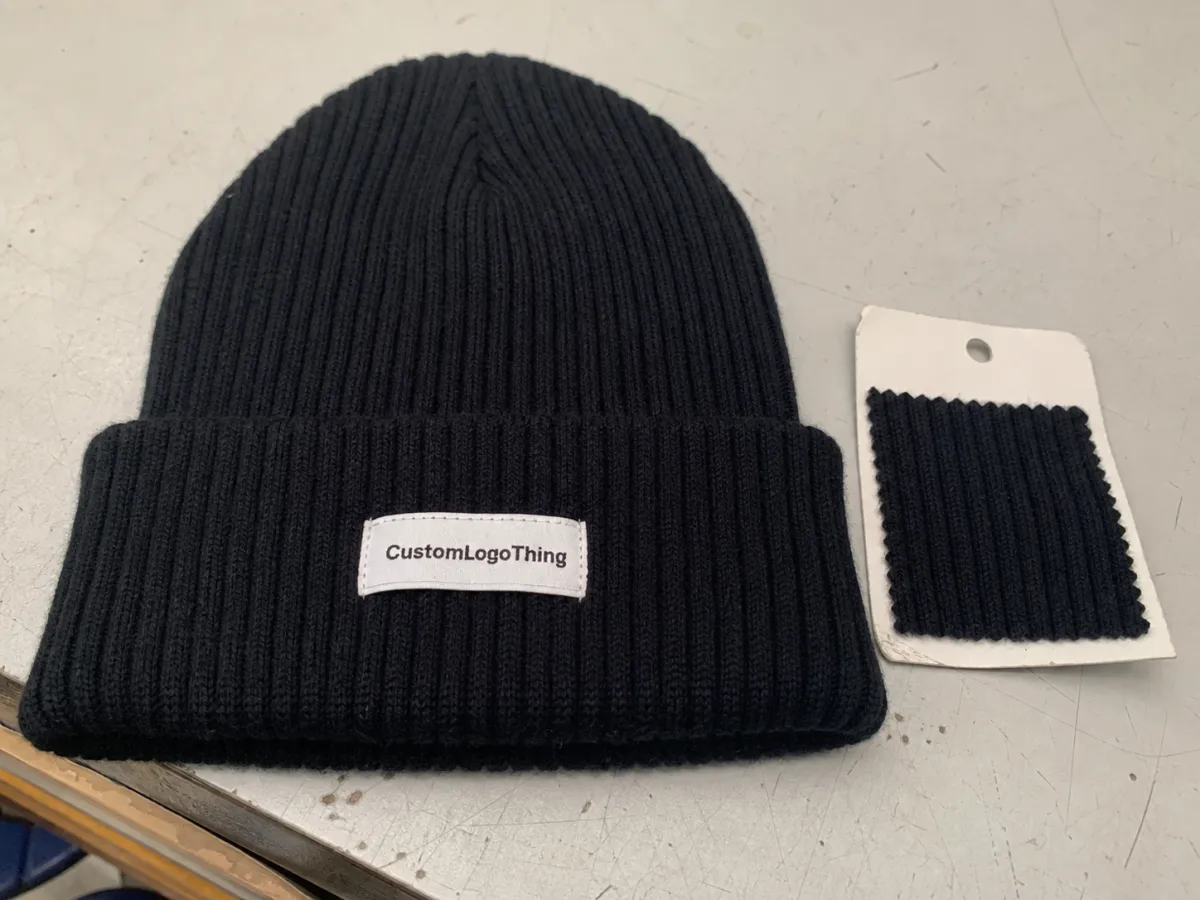
A sample is not a miniature finished order. It is a decision tool. A proper soap Ribbed Winter Beanies Material Sample guide should help you judge fiber behavior, stitch definition, stretch recovery, surface finish, and how the beanie sits after it has been pulled on, removed, and folded a few times.
Buyers often compare shade first and knit quality second. That ordering is backwards. On a ribbed beanie, the knit structure can change perceived quality more than a small dye difference. Tighter ribs usually look cleaner and more premium. Looser ribs can feel softer, but they may also read as less controlled if the cuff rolls or the crown collapses.
This matters most for private label programs, corporate gifting, and retail assortments that need repeatable sizing. A winter beanie for an employee kit has to fit a wide range of heads and still return to shape. A retail program has a different pressure point: it has to look consistent across cartons, not just look good in one photo. The best sample answers both questions before bulk begins.
A sample that looks perfect flat can still disappoint once it is worn, packed, and handled a dozen times. The real test is how the knit behaves in use.
Check it under different light as well. Daylight, warehouse lighting, and warm office bulbs can change how a ribbed knit reads. A yarn that looks deep navy on screen may shift toward charcoal in person, while the shadow inside the ribs can make the fabric appear denser than it really is.
There is also a practical distinction between a development sample and a production reference. Development samples help the factory work out yarn and shape. The approval sample becomes the benchmark for bulk. If those two stages are blurred, the order can drift. A clean sample process records what was approved, why it was approved, and which details were still open.
How rib construction changes feel, fit, and warmth
Rib construction is the engine behind the whole product. A 2x2 rib and a 1x1 rib do not behave the same way, even if the yarn is identical. Rib height, stitch density, and tension decide whether the beanie feels structured, stretchy, slouchy, or stiff. The difference is visible, but the bigger change is tactile.
Tighter ribbing usually improves recovery. That means the hat springs back after wear instead of staying baggy at the cuff or loose at the crown. For buyers who need one size to work across many heads, recovery matters as much as warmth. A beanie that stretches to fit but does not bounce back starts looking tired after only a few uses. A sample should be pulled, folded, worn, and checked again after 10 to 15 minutes, not just admired on a table.
Warmth is not only about thickness. Yarn loft, trapped air, and elasticity all shape thermal comfort. A lighter-weight knit with better loft can feel warmer than a denser one that lies flat against the head. That is why a sample review should include real-use checks: outside in cold air, indoors under heat, and after a few cycles of stretching and resting. If the cuff twists, the crown loses shape, or the fabric starts to feel thin at the seams, the design needs another pass.
Buyers should also check how the rib behaves around the forehead and ears. The same beanie can feel snug in one zone and loose in another if the tension changes across the knit. That is not a small defect. It affects comfort, return rates, and how the product photographs on a model or mannequin.
For larger programs, ask for the sample to be tested in the same size range the final order will use. A 22-inch head circumference is not the same as 24 inches. If the product has to work for multiple markets, the fit window should be broad enough to cover real wearers rather than idealized measurements.
One simple check catches more problems than buyers expect: put the beanie on, remove it, and look at the lower edge where the cuff meets the body. If the edge waves, pinches, or flips too easily, the rib tension is off or the yarn is too relaxed for the intended use. That detail matters more on a winter hat than on a lighter fashion knit, because people notice comfort immediately when the temperature drops.
Fiber blends, gauge, and finish: the specs that matter
Fiber choice changes everything. Acrylic is common because it is price-stable, color-friendly, and easy to source in volume. Polyester adds smoother surface behavior and can improve pilling resistance in some blends. Wool blends feel warmer and more premium, but they raise the cost and can introduce shrink or itch concerns if the yarn quality is uneven. Recycled yarns are increasingly relevant, but buyers should check consistency carefully because not every recycled lot behaves the same way in a rib knit.
Gauge matters just as much. A finer gauge usually creates a smoother face, cleaner logo presentation, and less visual bulk. That helps if the beanie needs embroidery, a woven label, or a small patch that should sit flat. A heavier gauge can look more seasonal and substantial, but it may also show uneven tension more easily. From a merchandising point of view, the right gauge depends on the intended shelf presentation as much as the weather.
Finish is where many samples earn or lose approval. Brushing can soften the hand feel. Washing or steaming can calm the fabric and improve drape. Anti-pilling treatment may help the sample survive repeated wear, though it should never be used as a substitute for a better yarn. If a supplier can provide test notes or ASTM-style references for durability, that is useful, but the physical sample still has to pass the eye-and-hand check.
| Fiber option | Typical hand feel | Sample cost impact | Best fit |
|---|---|---|---|
| 100% acrylic | Light, warm, easy to color match | $25-$45 per sample | Promotional runs and broad retail color programs |
| Polyester/acrylic blend | Smoother surface, often cleaner knit appearance | $30-$55 per sample | Logo-heavy programs and better pilling control |
| Wool blend | Warmer, softer, more premium hand | $40-$80 per sample | Gift sets and higher-margin winter retail |
| Recycled yarn blend | Can be excellent, but lot consistency varies | $35-$85 per sample | Sustainability-led assortments and brand stories |
Decoration compatibility should be part of the spec review, not an afterthought. Dense embroidery can distort the rib, especially near the cuff. Woven labels sit differently depending on stitch count and yarn loft. Heat-applied branding may look crisp at first and then reveal tension issues after the first stretch. If the sample is meant for decoration, ask for it decorated exactly the way the bulk order will be decorated.
Document the details from the approved sample: blend ratio, gauge, stitch count, cuff height, seam type, and finish notes. A vague note like “soft rib knit” is not enough. The more precise the sample record, the less chance of mismatch later. If the supplier offers a yarn lot number or internal color code, keep that too. It can save time when the next order uses the same base fabric but a different trim package.
One practical caveat: some finishes improve hand feel on the sample but disappear after the first wash or the first long wear cycle. That does not make the sample dishonest; it means the finish is cosmetic rather than structural. Buyers should separate temporary surface effects from durable fabric traits before they sign off.
Cost, MOQ, and unit pricing: how sample math works
Sample pricing is usually a stack, not a single number. There is the prototype fee, shipping, optional color matching, and any decoration setup. Then there is the bigger question: how the unit price changes once the order becomes real. A sample that costs $35 can be a bargain if it prevents a production error that would cost thousands. A cheap sample can become expensive if you need two revisions and a second freight round.
MOQ shapes that math fast. A lower minimum order quantity reduces risk for seasonal testing, but it often raises the per-unit price because setup costs are spread across fewer pieces. For example, a small knit order of 300 pieces may land around $3.80-$5.80 per unit depending on fiber blend and decoration, while 1,000 pieces might come in closer to $2.40-$4.10. At 5,000 units, the same style may move lower still, but only if the spec stays stable and the decoration is not overly complex.
Ask suppliers to separate costs by line item. Material, labor, decoration, freight, and packaging should not all be hidden inside one total. That is especially true if you want FSC certified paper elements, kraft paper wraps, or biodegradable Packaging for Retail kits. A corrugated cardboard shipper made with recycled materials and post-consumer waste content can still look polished if the print and insert design are controlled. Good packaging is not about excess; it is about clarity.
For sustainability claims, use the right language. If the program needs it, ask whether the carton or hangtag can be sourced from FSC certified stock. If the sample ships in a protective bag, specify whether a kraft paper sleeve or a recyclable polybag is better for your channel. This is one of those details that seems small until the buyer, the compliance team, or the retail partner asks for it.
One more thing: compare pricing by scenario, not by sticker number. A slightly higher sample fee with better knit definition may save money by reducing rework. That is often the smarter choice for a custom program that has to hold up through repeat orders. Buyers should also ask whether revisions are included or charged separately. Some suppliers bundle one or two rounds into the first development fee; others invoice every change. The difference is material when a custom rib structure is still being tuned.
Freight can distort the economics, too. A sample delivered by express courier may cost more in transit than in production, especially if the destination is outside the supplier’s main shipping lane. That does not automatically make the sample overpriced. It simply means the buyer should separate product cost from logistics cost before comparing suppliers.
Production steps and timeline from request to approval
The sample process is usually straightforward, but only if the brief is clear. It starts with inquiry and spec confirmation. Then comes yarn selection, prototype knitting, review, revision, and final sign-off. For a simple stock-style rib beanie, that can move faster than a custom-developed knit with special yarn or a nonstandard cuff. The more custom the sample, the more likely the factory will need an extra round to get the hand feel and shape right.
What slows the process most? Missing artwork, unclear Pantone references, late sizing changes, and back-and-forth over trim details. Even one unresolved question can stall the sample for days. If the decoration includes embroidery or a patch, the supplier may need a separate approval step for placement. That is why a timeline should include not just production time, but also review time on your side.
Transit matters too. International shipping can take longer than the sample itself. A buyer who budgets only for production time may discover that approval arrives after the launch window is already tight. A good planning calendar works backward from the ship date and leaves room for at least one correction cycle. If you have a seasonal deadline, give yourself a buffer. Winter products rarely forgive a late start.
This is where standards and logistics intersect. If the sample needs to survive parcel handling, the outer pack should follow practical ISTA thinking; see the testing guidance at ISTA. If the packaging story matters to your brand, check paper sourcing against FSC rules before you approve the final shipper or insert. A sample wrapped in a plain corrugated cardboard mailer with kraft paper protection can arrive looking simple and still feel premium, especially if the construction is tidy and the materials are responsibly chosen.
For repeat programs, keep the sample record tied to the production order. The size spec, stitch count, yarn blend, decoration method, and packaging style should all be locked in one place. That becomes the reference when the next order comes around. Without that record, teams spend time rediscovering decisions that were already made, and that is one of the easiest ways for a seasonal item to drift out of spec.
Typical timing varies by complexity, but a basic sample can often move through knitting and first review in about 5 to 10 working days. Add another few days if the yarn needs sourcing or the logo needs a custom strike-off. Revision cycles are usually where calendars slip. A buyer who wants a realistic launch window should assume at least one revision unless the style is an exact repeat.
Common sample mistakes that create costly reorders
The biggest mistake is approving on appearance alone. A beanie can look good flat and still fail once it stretches, sits on a head, or gets folded into a carton. Seam quality, stretch recovery, and cuff stability matter more than a neat first impression. If a buyer skips wear testing, they are not approving a product; they are approving a photo.
Decoration tests are another weak spot. Embroidery density can pull the rib, especially on a finer gauge. A patch may sit too stiff and change the way the crown drapes. Heat-applied graphics can lift a knit if the adhesive and fabric are not matched properly. The sample should show the actual decoration method, not a mockup of it.
Comparing samples across suppliers without matching the spec is also risky. One factory’s 100% acrylic sample is not directly comparable to another factory’s acrylic-wool blend, even if the color looks the same. Fiber content, yarn twist, and finishing process all alter the result. The same goes for rib depth and tension. Small changes can create a very different buyer response.
The most expensive beanie is the one you approve from a screen and then try to fix in bulk.
Color-only approval can mislead buyers as well. Rib texture changes how light hits the fabric. A darker yarn may read flatter in a denser knit, while a softer yarn can appear lighter because the surface catches more light. That is why a soap Ribbed Winter Beanies Material Sample guide should always pair color checks with texture checks. The sample is only useful if the buyer writes down what it actually did, not just what it looked like.
Keep notes with each version. Mark the sample number, date, supplier, material blend, and the exact issue it solved or introduced. Memory is a poor approval system when three nearly identical samples arrive in one week. Photos help, but written notes are better when someone has to revisit the decision months later.
Another common miss: forgetting to test the sample after packaging. A beanie that looks clean loose on a table may crease, flatten, or pick up lint inside a carton. If the final presentation depends on a folded cuff or branded insert, check that exact setup before approving. Packaging can change perceived quality as much as the knit itself.
Expert review checklist and next steps before you approve
Before you approve, use a checklist that covers hand feel, stretch recovery, fit range, color accuracy, decoration compatibility, and packaging expectations. That sounds basic, but it saves real money. In a buyer’s workflow, the final sign-off should answer one simple question: does this sample predict the bulk order accurately enough to move forward?
Use side-by-side comparisons if two samples are close. Small changes in yarn or rib depth can produce a surprisingly different reaction from merchants, end users, or retail buyers. A denser sample may feel more premium; a slightly looser one may feel easier to wear. Neither is automatically right. The intended channel decides.
Confirm that the production-ready spec sheet includes the agreed yarn blend, stitch count, label placement, cuff height, and finish. If the supplier also notes packaging, keep that in the same file. A clean approval trail is especially useful when the order includes kraft paper wraps, FSC certified inserts, or recycled materials language that later needs support.
If the sample passes most checks but not all, choose the next action deliberately: approve, request one revision, or run a final test for wear, wash, or branding. A quick extra round is usually cheaper than accepting a compromise that creates reorders later. For a product with seasonal timing, that choice is strategic, not cosmetic.
Practical buyers also look for the small signs that the supplier can repeat the result. Matching yarn lot, stable rib count, consistent seam finish, and clear carton labeling matter more than a polished sales pitch. If the first sample is strong but the notes are thin, ask for more documentation before the order moves forward.
Save photos, notes, and the final reference code so the soap Ribbed Winter Beanies Material Sample guide becomes the control record for the order, not just a one-time review. That is how repeat business stays consistent. It also makes future cost comparisons more honest, because the next buyer can see exactly what was approved and why.
What should a soap ribbed winter beanies material sample include?
It should show the actual yarn blend, rib structure, stretch recovery, and finish, not just a color swatch. If you plan to add embroidery, patches, or labels, ask for decoration-ready placement as well. A good sample also includes the supplier’s spec notes so you can compare it against bulk production later.
How do I compare winter beanie sample materials without guessing?
Compare them under the same conditions: same lighting, same stretch test, same wear time, and same decoration method. Check hand feel, thickness, recovery, and how the rib pattern looks after being pulled and folded. Write down what changes when you wash or compress the sample, because that often predicts bulk performance better than a visual review.
What affects the cost of ribbed beanie samples the most?
Fiber type, customization level, and whether the supplier has to source special yarn all push the price up. Logo decoration, extra revisions, and shipping can add more than the sample itself in some cases. Lower MOQs usually raise unit cost, so ask for pricing across sample, small run, and bulk quantities before you decide.
How long does the sampling process usually take for custom winter beanies?
Simple samples can move quickly, but custom knit development or specialty yarns add time. The biggest delays come from unclear specs, missing artwork details, and revision cycles. Plan for transit time as well as production time so approval does not collide with your launch date.
What is the biggest mistake buyers make with material samples?
They approve based on appearance alone and skip fit, recovery, and decoration tests. They also forget to document the approved spec, which creates mismatches in bulk production. A sample should be treated like a control version, not just a nice-looking one-off.
For buyers building a seasonal knit program, the safest path is the one that treats the sample as a production prediction, not a showroom prop. A strong soap ribbed winter beanies material sample guide keeps design, cost, packaging, and timing in the same frame. That discipline is usually what separates a clean bulk run from an expensive series of corrections.


