A logo that looks clean on a screen can still fail on a real cap once it meets a seam, a mesh break, or a stitch line. That is why soap Trucker Caps Bulk Order Planning needs to start with the physical cap, not the mockup, especially if the order supports a launch, a retail drop, or a timed promotion.
From a packaging buyer's point of view, the risk is rarely the headline price. The problem is the hidden detail that gets missed early and turns into rework, a delayed proof, or a surprise upcharge. One logo placement error, one unclear color callout, or one packaging assumption can push a schedule off just enough to make the cheapest quote the most expensive option in the end.
Why Soap Trucker Caps Bulk Order Planning Goes Off Track So Easily
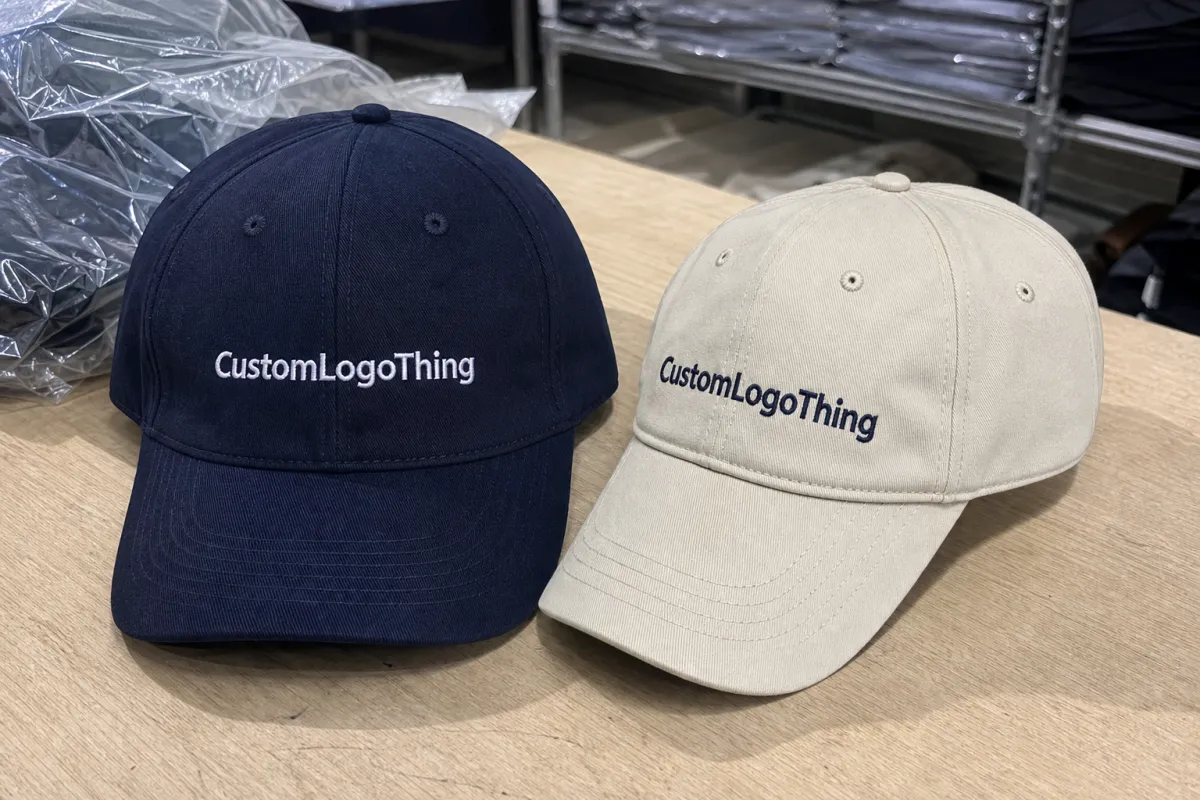
Bulk cap orders usually go sideways for the same reason many decorated products do: the artwork is approved in a flat file before anyone checks how it behaves on a shaped, stitched surface. A front panel can have a center seam, a curved crown, a higher or lower profile, and a mesh transition that all affect logo placement by a few millimeters. That sounds minor, but on a trucker cap those millimeters decide whether the logo sits cleanly or rides too close to a seam.
In practice, soap trucker caps Bulk Order Planning fails when a buyer assumes the decoration area is larger than it really is. A clean-looking mockup may not show where the stitch lines land, how much usable space sits above the brim, or whether the artwork has enough clearance from the front panel edge. If the logo has fine text, tight outlines, or a detailed emblem, the first production sample can expose problems that should have been caught before the quote was signed.
Another common issue is timing. A buyer ties the cap order to a product launch or event date, then leaves artwork corrections, sample approval, and freight planning until the last minute. That works only when everything goes right. If a proof needs revision, or if the first sample shows the artwork is too large for the panel, the order can stall long enough to miss the sales window.
The cheapest quote is not the best quote if it ignores decoration limits, packaging needs, and shipping timing.
That is the real value in planning early. Good sourcing is not just about getting a low unit cost. It is about reducing surprises before production starts, so the finished caps arrive on budget, on spec, and in the right cartons for distribution.
Materials, Mesh, and Decoration Choices That Shape the Cap
A trucker cap is a simple product on paper, but the build details change the whole buying decision. The most common structure is a structured front panel with a foam or buckram support, a mesh back for breathability, and a curved or flat brim depending on the look you want. Closure style matters too. Snapback closures are still common for promo and retail, while hook-and-loop or adjustable strap options can suit staff uniforms or mixed-size giveaways.
The front panel is where decoration lives, so the cap body and the logo method should be chosen together. A thick embroidered mark can look strong on a structured panel, but a detailed logo may need a woven patch or a printed patch to keep edges crisp. Mesh and stitch density also matter because a cap that feels light and casual in hand may still distort if the decoration is too heavy for the fabric.
For many buyers, the choice comes down to how the cap will be used. Trade show giveaways can tolerate a more promotional finish. Retail resale usually needs better presentation, cleaner sewing, and a more refined patch or embroidery layout. Staff uniforms need comfort and repeatability more than novelty. Bundled promotional kits often need packaging consistency so the caps arrive ready to distribute without extra handling.
| Decoration method | Best use | Typical add-on per cap | Notes |
|---|---|---|---|
| Flat embroidery | Clean logos, simple text, durable branding | $0.60-$1.40 | Good value, but very fine detail can soften on small marks |
| 3D puff embroidery | Bold front-panel statements | $0.90-$1.80 | Looks premium, though it works best with larger shapes and thicker lettering |
| Woven patch | Sharper detail and smaller text | $0.70-$1.60 | Useful for tight artwork, with a more finished retail feel |
| Printed patch | Complex art, gradients, or color-heavy logos | $0.50-$1.10 | Flexible for artwork, but backing, edge finish, and application method should be checked closely |
For paper inserts, hangtags, and carton labeling, I prefer materials that can be documented clearly. If the buyer wants paper-based retail elements, FSC-certified paper is an easy way to support a cleaner sourcing story without changing the cap itself. That matters for brands that want a simpler sustainability message on the shelf.
Specifications to Lock Before You Request Quotes
Before a supplier can quote accurately, the buyer needs to define the cap the same way the factory thinks about it. That starts with the core build: panel count, crown profile, brim shape, closure type, and whether the cap is structured or unstructured. A five-panel trucker can behave very differently from a six-panel version, especially if the logo is intended to sit dead center on the front.
Color standards are another point that gets overlooked. The cap fabric, the mesh, the thread, the patch backing, and the carton markings all need their own color callout. Pantone references help, but I still recommend confirming against a physical swatch or a clear sample image where possible, because dye lots and thread charts can shift slightly between runs.
Packaging details deserve the same attention as decoration. A cap can be folded one way for shipment and another way for display. It may need an individual polybag, a size sticker, a barcode label, or a retail insert. Carton counts also matter because 50 caps per carton and 100 caps per carton do not land the same way in freight cost, warehouse handling, or shelf replenishment.
- Front panel shape: five-panel or six-panel, structured or soft front.
- Logo placement: center width, height above brim, and seam clearance.
- Color references: cap body, mesh, thread, patch border, and label.
- Closure: snapback, strap, hook-and-loop, or fitted style.
- Packaging: polybagging, folding method, stickers, and master carton count.
If the order includes mixed assortments, lock those splits before quotation. A supplier can price one navy cap with one logo location very differently from a three-colorway order with mixed packaging requirements. Clear specs make the quote comparable across vendors, which is exactly what a buyer needs before giving any production approval.
Cost, Pricing, and MOQ Drivers for the Order
The main pricing levers are straightforward once you look at them from a production standpoint. The cap base style sets the starting point. Decoration method adds cost. Thread count, patch complexity, label work, and custom packaging all add more. A simple one-color embroidery order is usually less expensive than a woven patch with a custom hangtag and individual polybagging, even if the quantity is the same.
MOQ is not just a sales tactic; it is a production reality. Factories need enough units to cover setup, material sourcing, and color matching. Many decorated trucker cap programs sit in the 100-300 piece range per colorway, though that can move lower or higher depending on the cap body, decoration method, and whether stock materials are already on hand. A buyer who wants multiple colorways should expect the minimum to apply to each variation, not just the order total.
Tiered pricing can work in the buyer's favor if the order is structured carefully. For example, a 500-piece run may carry a modest unit cost, but 1,000 pieces often brings the per-cap price down enough to justify a larger first run. The right answer depends on sell-through, storage space, and how much dead stock the brand can tolerate. I would rather see a buyer order 700 pieces they can actually move than 1,500 pieces that sit in a warehouse because the launch plan was too optimistic.
Typical bulk pricing for a decorated trucker cap can vary widely, but a standard build with one front decoration and basic packaging often falls into a range that feels very different at 250 pieces versus 1,000 pieces. The spread comes from setup amortization, not just materials. That is why apple-to-apple quote comparison matters. Ask each supplier to quote the same cap body, the same decoration method, the same packaging, and the same delivery term before judging who is really cheaper.
For buyers who also want broader sourcing support, our Wholesale Programs page outlines how bulk orders are structured and what kind of order support is available. The point is not just to buy more units. The point is to Buy the Right units with the fewest hidden cost changes.
Process and Lead Time From Art File to Delivery
A clean order usually moves through the same sequence: inquiry, spec review, artwork check, digital proof, sample or pre-production approval, full production, packing, and shipment. That sounds simple, but the time can stretch at almost any point if the artwork is unclear or the buyer changes direction after the proof is issued. A sharp supplier should tell you exactly where the clock starts and what has to be approved before the factory can cut or decorate anything.
Artwork is often the first bottleneck. A vector file is best, and a logo with tiny type or complex outlines should be checked at actual size before anyone promises a decoration method. If the design is borderline for embroidery, a patch may be the safer route. If a buyer waits until the sample stage to discover the logo is too detailed for the cap, time gets lost fast.
In many standard programs, production after approval can take roughly 12-20 business days, though the actual timing depends on the cap body, decoration complexity, and factory load. Shipping is a separate clock. Air freight may get goods out fast but adds cost. Ocean freight lowers transit expense but needs a longer calendar window. Buyers who separate manufacturing time from transit time usually manage launch dates better.
For shipment integrity, it helps to think beyond the cap itself. Carton stacking, drop resistance, and pallet handling all affect what arrives usable. If the order will travel a long distance or go through several warehouse touches, I would review packaging against recognized transit methods such as the International Safe Transit Association test methods. Not every cap order needs formal testing, but the principles are useful whenever freight damage would create a costly rerun.
Fast approvals keep lead time under control; delays usually come from file revisions, color corrections, or waiting on final sample confirmation.
One practical rule helps a lot: keep sample review short, specific, and written. If the trim color is wrong, say exactly which reference is off. If the logo sits too high, mark the target position in millimeters. Precision at this stage saves days later.
What a Reliable Supplier Should Prove Before You Commit
A dependable supplier does not just answer the quote request quickly. They confirm the build in writing, repeat the specs back accurately, and show that they know how to control the production process without guessing. That means the proof shows the right cap body, the right logo size, the right decoration method, and the right packaging callout. If a vendor keeps changing details from one message to the next, the risk sits with the buyer.
Quality control on caps is usually about consistency, not complexity. I want to see stitch density that holds cleanly, Logo Placement That stays centered, thread tension that does not pucker the front panel, and panel alignment that does not drift from cap to cap. A carton-level inspection matters too, because a perfect sample is not enough if the bulk run is packed badly or mislabeled before shipment.
Communication is the other big signal. If a buyer needs partial shipments, mixed colorways, or a firm delivery window, the supplier should say clearly whether that is realistic. Good communication reduces surprises in a way that a low quote never can. If the partner can explain how they handle rework, overrun tolerance, sample approval, and carton changes, the order has a much better chance of arriving cleanly.
Some buyers also want a simple path back to support after the order is placed. That is why we keep our FAQ page practical and direct, because the best bulk orders are the ones where the buyer knows exactly what will happen before production begins. A good supplier makes the next step obvious, not mysterious.
For buyers comparing vendors, I would ask for four things before committing: a written spec sheet, a proof with real placement notes, a clear MOQ statement, and a delivery estimate that separates manufacturing from freight. If those four items are missing, the quote is not ready yet, no matter how attractive the headline number looks.
FAQs
How many soap trucker caps should I order for a first bulk run?
Start with the quantity you can realistically move in the first sales or promo window, then add a modest overage for samples, replacements, and last-minute needs. If you expect multiple colorways, keep the first run simple so you do not split the order into too many small, high-cost production lots.
Which decoration method is best for soap trucker caps in bulk orders?
Flat embroidery is usually the most durable and cost-effective choice for a clean front-panel logo, while woven or printed patches work better for sharper detail. The best method depends on logo complexity, panel shape, and the look you want in retail or promotional use.
What usually changes the MOQ and unit cost the most?
The biggest cost drivers are cap style, decoration complexity, thread or color count, and any custom packaging or labeling requirement. Adding multiple colorways, extra setup steps, or special finishing can raise MOQ pressure because the factory has to cover production setup.
How long does production take after artwork approval?
A practical timeline usually includes artwork proofing, sample approval, production, and shipping, so the full schedule depends on how quickly each step is signed off. Fast approvals keep the lead time under control; delays usually come from file revisions, color corrections, or waiting on final sample confirmation.
Can I mix colors or styles in one soap trucker cap order?
Yes, but each colorway or style variation can affect pricing and minimums, especially if the factory has to change materials or setup between runs. The safest approach is to keep the order structure simple, then ask for a split breakdown so you can compare the total cost before approving. That keeps soap trucker caps bulk order planning practical instead of speculative, which is the best way to protect budget and schedule.

