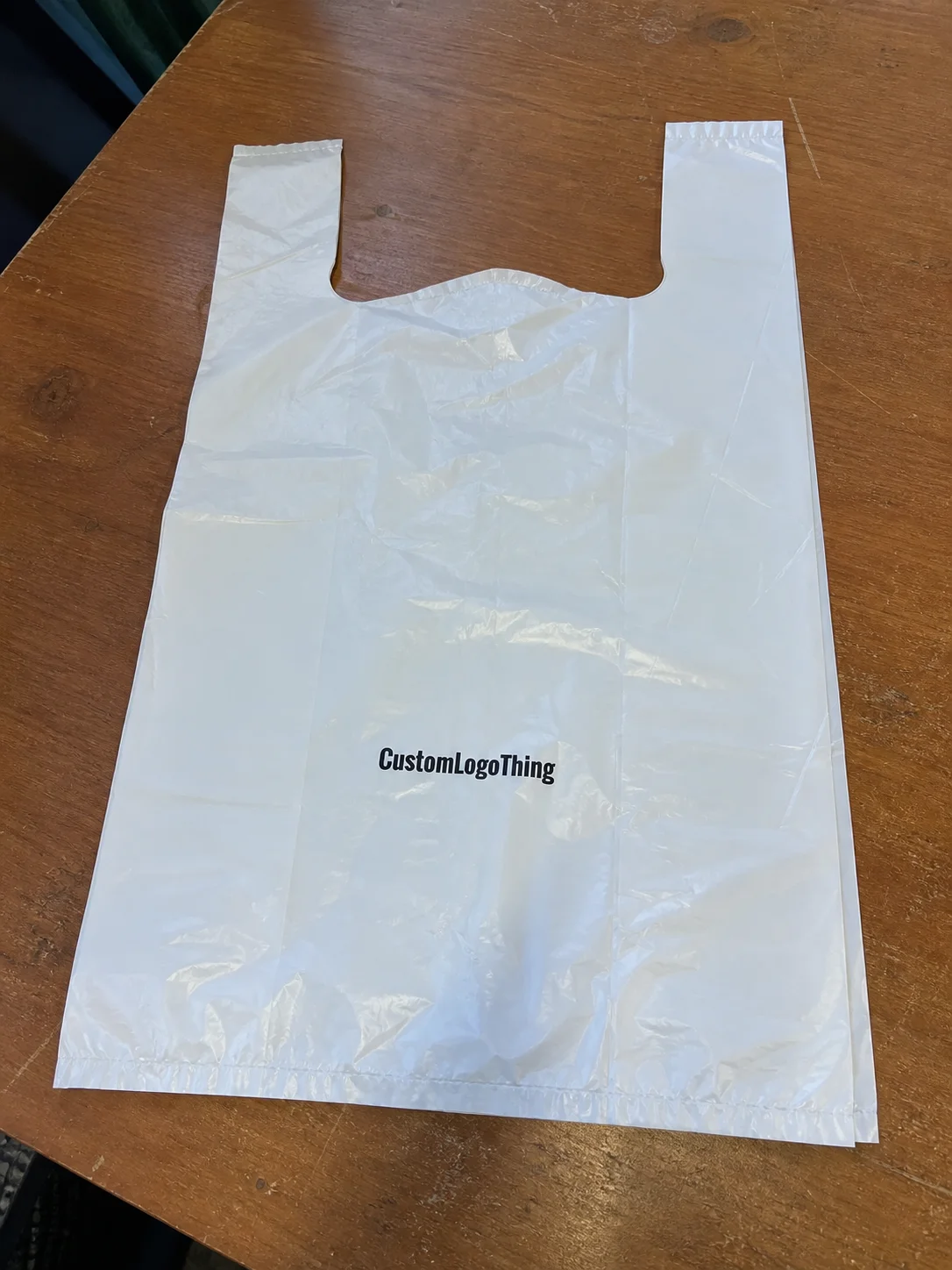
stationery Recycled Poly Mailers Bulk Order planning sounds like a mouthful until you are staring at freight quotes, packing tables, and a stack of notebooks that should have shipped in a neat, flat bag instead of a bloated overpack. The buyer problem is simple: stationery is light, but the wrong mailer wastes film, increases postage, and makes the whole shipment look careless. That is fixable with the right size, the right recycled blend, and a spec sheet that does not leave anything to guesswork.
For stationery brands, studios, and subscription programs, the order should be planned around the packed stack, not the item on its own. A planner with a card insert, a notebook in a sleeve, or a flat set of prints can all change the required width by several millimeters. That small difference is where a lot of bulk orders go sideways. If you are also building out a larger packaging program, it helps to line these decisions up with your Custom Packaging Products and compare them against your Custom Poly Mailers options before you commit.
One more practical point: recycled content is not a slogan. Buyers want usable film, consistent print, and a mailer that survives fulfillment line handling. If the bag seals slowly, tears at the lip, or arrives with uneven opacity, the recycled story does not save it. Responsible packaging still has to ship cleanly.
Why stationery recycled poly mailers bulk order planning works
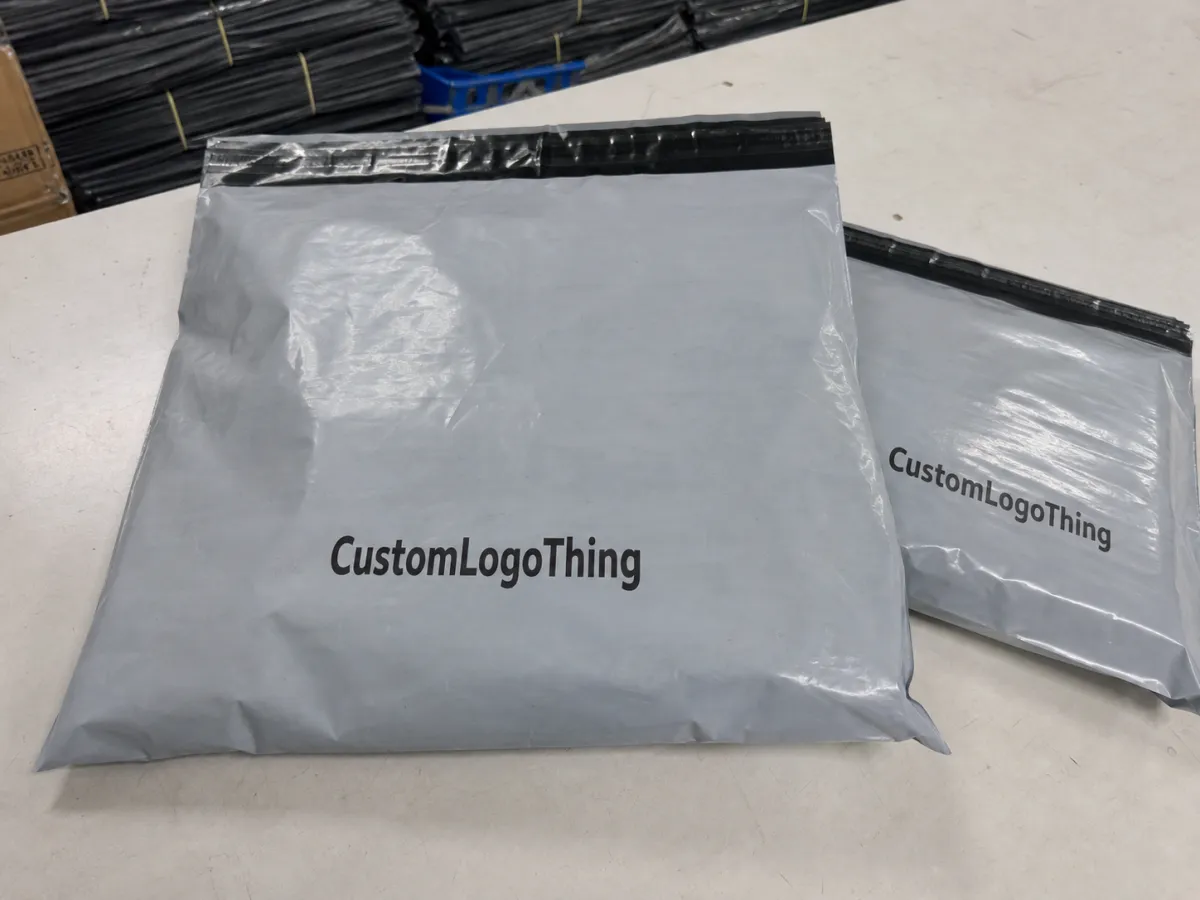
Stationery is usually light, flat, and easy to underestimate. That is exactly why oversizing becomes expensive. A bag that is 20 to 30 mm too wide can use more material than it needs, push freight costs up, and leave the packed product sliding around inside the shipment. On a fulfillment line, that empty space also slows packout because operators spend time straightening the contents before sealing.
The better approach is to plan around actual packout: notebook plus belly band, cards plus tissue, planner plus promo insert, or whatever the real shipping set looks like. If the order includes a return slip, a card stock thank-you note, or a rigid insert, those details affect the final thickness more than the product listing does. That is why stationery recycled poly mailers Bulk Order Planning should start with the full assembled pack, not the loose item.
Recycled content matters, but only if the film still performs. In practice, buyers care about three things: does the bag hold up, does it print well, and does it look intentional on arrival. For brands that ship direct-to-consumer, the mailer is not hidden. It is part of the product experience. A sloppy closure or cloudy print finish will get noticed before the customer even opens the package.
There is also a sustainability angle that should be handled with facts, not fluff. If your recycled mailer is made with post-consumer or post-industrial content, ask for the exact percentage, the film construction, and the claim language the supplier is comfortable supporting. The U.S. EPA has guidance on recycling and material claims at EPA recycling resources, and that is the kind of source worth checking before marketing copy goes live.
“The cheapest mailer is the one that fits the pack, prints cleanly, and does not need to be reordered early because the first batch was wrong.”
That sounds blunt because it is true. A lot of packaging waste comes from poor planning, not from the film itself. If you set the dimensions and handling requirements properly, stationery recycled poly mailers Bulk Order Planning becomes a repeatable process instead of a monthly fire drill.
Material and print choices that change performance
Not all recycled poly films behave the same. Some have excellent opacity and a smooth print surface. Others feel slightly softer or show more variation from batch to batch. That is normal. What is not normal is approving a production run without asking how much the recycled content changes appearance, seal behavior, or ink adhesion.
Thickness is the first decision that affects performance. For lightweight stationery packs, many buyers land in the 50 to 70 micron range, or roughly 2 to 3 mil depending on the supplier’s construction and measurement method. Thin film can work well for flat paper goods, but once you add rigid corners, multiple inserts, or rough handling in transit, the failure rate climbs fast. A slightly heavier bag often costs less in the long run than replacing damaged shipments.
Finish matters too. A plain recycled poly bag keeps cost down and works for internal fulfillment or low-decor runs. Matte finishes look more premium and hide scuffs better. Printed bags are the strongest brand play, but the artwork should be planned around the film’s surface, not the other way around. Heavy ink coverage on a low-opacity recycled film can make the bag look muddy if the proof was too optimistic.
For brand teams who want more structure, I usually recommend comparing plain, matte, and printed builds side by side:
| Option | Typical use | Cost impact | Performance notes |
|---|---|---|---|
| Plain recycled film | Internal shipments, low-brand applications | Lowest | Fastest to quote, least visual control |
| Matte recycled film | Premium stationery, retail-style deliveries | Moderate | Hides scuffs, usually feels more finished |
| Printed recycled film | Brand-forward direct-to-consumer orders | Highest | Best presentation, most setup and proofing control needed |
Closure style is the other detail that gets ignored until fulfillment starts moving fast. Self-seal lips are common, but adhesive strength varies a lot. Too weak and the bag opens in transit. Too aggressive and operators waste time trying to reposition the seal. A good supplier will tell you the standard seal zone width and whether the adhesive remains stable under cold storage or humid conditions.
If your line includes higher-volume programs, ask for transport testing references. For shipping abuse, suppliers may mention internal drop testing or methods aligned with ISTA packaging test standards. That does not guarantee perfection, but it is better than a vague promise that the bag is “durable.”
Sizing, thickness, and seal specs for stationery inserts
The fastest way to overpay is to measure only the notebook or card set and ignore the way it is packed. A folded insert, belly band, chipboard backer, or rigid envelope can add enough thickness to change bag selection completely. Measure the full packed stack in its final form, then add a little room for the seal zone and for easy insertion at the packing table.
Here is the rule I give buyers: size the bag to the pack, not to the fantasy version of the pack. If the stationery pack is 9 x 12 inches on paper but ships with two inserts and a sleeve, your actual fit may land closer to a different width and length than expected. The goal is a flat shipment with minimal sliding, not a bag so tight that the material stretches across the corners.
Thickness should match the abuse level. For gentle, domestic shipping, a lighter build can be fine. For mixed carrier networks, longer transit, or heavier stationery bundles, move up a notch. More film does not automatically mean better planning, but under-specced film is a false economy. Tears, split seams, and returns cost more than the incremental material spend.
Seal geometry matters more than most buyers think. Define the lip width, opening direction, and seal zone before production starts. If the opening faces the wrong way or the lip is too small, fulfillment slows down. A few extra millimeters here can save a lot of friction later, especially when staff are packing hundreds of units a day.
Build one test pack before you approve the full order. Use the heaviest or most rigid stationery item in the line, not the easiest one. If that sample closes cleanly, stays flat, and survives a rough handling test, the lighter SKUs are usually safe. If it fails, the bag spec is wrong, and it is better to catch that before the bulk run.
For brands that want a cleaner internal process, I suggest writing the spec in one line: finished dimensions, film thickness, closure type, print coverage, and acceptable tolerance. A good supplier can work from that without needing three follow-up emails and a guess. That is how stationery Recycled Poly Mailers bulk order planning stays controlled.
Pricing, MOQ, and quote drivers that move unit cost
Bulk pricing is usually driven by five things: bag size, film weight, recycled content percentage, print complexity, and finish. The larger the bag and the heavier the film, the more material cost you carry. Add multiple print colors or full-coverage artwork and the setup burden climbs. There is no magic trick here. The quote reflects the construction.
MOQ is where a lot of buyers get caught. One supplier’s minimum may be fine for a single size but too high once you split artwork versions or switch to a second film spec. Ask for MOQ by size, by print version, and by finish. That makes the budget honest. A blanket minimum sounds tidy until you realize it hides real setup differences.
For planning, compare unit-cost tiers at a few volumes rather than one number. A useful request is pricing at 1,000, 3,000, and 5,000 pieces. That shows where setup starts to flatten out and where the run becomes efficient. If the price barely drops after a threshold, you may be buying more inventory than you need.
Here is a simple way to think about the quote:
- Material: recycled film content, thickness, and opacity.
- Print: number of colors, coverage area, and whether the artwork requires fine registration.
- Setup: proofing, plate or tooling costs, and color matching.
- Fulfillment: packing method, carton count, and destination freight.
- Risk buffer: overage allowance for spoilage and rework.
Do not compare supplier quotes on unit price alone. A lower sticker price can be the expensive option if freight is higher, samples are slow, or the supplier charges extra for revised proofs. Ask for a breakdown that includes tooling, sampling, packaging terms, and transit cost. That way, the cheap number does not trick you into a bad order.
For buyers who need a broader purchasing view, it helps to compare the bulk mailer plan with your overall buying structure under Wholesale Programs. That keeps reorder pricing, freight planning, and stock rotation in one conversation instead of spread across six emails. For plain reference, many bulk stationery mailer runs settle in the rough range of $0.18 to $0.45 per unit depending on size, print coverage, and quantity, but that range can move quickly if the artwork is heavy or the film spec is unusual.
Process and lead time for bulk production
A clean production timeline has six stages: brief, artwork handoff, digital proof, sample approval, full run, and packing. Skip one of those, and the schedule gets messy. Most delays happen because the buyer wants to “keep moving” before dimensions or copy are locked. That is how a simple order turns into a revision loop.
Separate production time from shipping time. Production might be 12 to 15 business days after proof approval for a straightforward run, but freight can add several more days depending on destination and mode. If you are planning a launch or seasonal drop, do not pretend those are the same thing. They are not.
Revision control is the real time saver. Lock the bag size, logo placement, pantone targets if applicable, and any legal copy before approval. Once the proof is signed, any change should be treated as a new version. That sounds strict, but it prevents half-finished batches and rework charges that nobody enjoys.
For transit stability, some buyers ask for lot checks or carton-level inspection before release. That is sensible. You do not need a full lab report for every routine order, but you do need enough evidence that the print is consistent, the seal is clean, and the bag count matches the PO. A supplier who resists basic inspection usually has a reason.
Plan your reorder trigger now, not after stock gets low. If the lead time is two to three weeks plus freight, the reorder point should reflect actual usage and a small safety buffer. In plain terms, order before you are nervous. Rush fees are what happen when planning gets lazy.
How to vet a supplier before you issue the PO
Ask for the spec sheet first. Not a brochure. A spec sheet with film construction, recycled content details, thickness, tolerance range, seal type, and print method. If the supplier cannot provide that in writing, the order is too vague to trust. Vague is where margin disappears.
Sample review should cover more than appearance. Check color consistency, opacity, seal strength, and how the surface holds up after handling. A glossy print that rubs off in transit is a failure, even if the proof looked clean. For recycled materials, slight variation can happen, but variation should stay within a controlled band.
Communication speed matters as much as production skill. If a supplier takes days to answer proof questions, they will probably take days to answer production issues. That is not a minor annoyance. It is a deadline problem waiting to happen. A good partner responds quickly, explains tradeoffs clearly, and does not hide behind vague wording.
Ask whether the supplier can offer alternate sizes or film weights if your first choice pushes MOQ too high. That flexibility often saves money without changing the overall brand look. In many orders, a 5 mm adjustment in bag width or a modest change in film thickness is enough to improve pricing and reduce waste.
If you want to see how a supplier presents support and common order details, the general resources on FAQ can also help shape the questions you send before the PO. Keep the conversation practical: dimensions, quantity, print colors, finish, destination, and approval timing. That is how stationery recycled Poly Mailers Bulk Order Planning stays predictable instead of theatrical.
Next steps to lock a clean reorder plan
Send one brief with the full packed size, quantity tiers, print colors, finish, closure style, and shipping destination. One brief. Not four messages and a screenshot. The clearer the brief, the more usable the quote. If the supplier has to guess, the order will reflect those guesses.
Request one main quote plus two alternate scenarios. For example: standard recycled film, thicker recycled film, and printed versus plain finish. That gives you a clean comparison and makes the final decision about cost, presentation, and risk far easier. Buyers rarely regret having options. They regret approving the first number they saw.
Approve a physical sample or a very clear proof before production begins, then store the signed spec in one place for reorders. Keep the final dimensions, artwork file, finish note, and supplier contact together. If you have multiple teams touching packaging, one shared record prevents the usual “which version was approved?” mess.
Finally, confirm storage space and reorder timing. Stationery bulk programs are quiet when they are planned well. That is the goal. If the next replenishment is already mapped, the order becomes routine instead of urgent. And routine is cheaper.
For brands scaling their packaging program, this is the point where stationery recycled poly mailers bulk order planning should become a standard procurement habit, not a one-off exercise. The right spec keeps reorders clean, controls spend, and makes the packaging look like it belongs to the brand.
FAQ
How do I size recycled poly mailers for stationery packs?
Measure the packed stack, not the loose product, because inserts, sleeves, and corner protection add thickness quickly. Leave enough room for the seal zone so the bag closes without stretching. A single test pack with the heaviest stationery item is the safest way to confirm the fit before you place the full bulk order.
What MOQ should I expect for bulk stationery mailer orders?
MOQ usually changes with bag size, print colors, and recycled film spec. Smaller runs cost more per unit because setup gets spread across fewer bags. Ask for tiered pricing at several quantities so you can see where the break-even point sits instead of guessing from one line item.
Does print coverage change stationery recycled mailer pricing?
Yes. More ink means more setup, more proofing attention, and more chance of rework. Single-color logos usually cost less than full-coverage artwork. If the design matters, compare a lighter back-panel print against a heavy front-side build before you commit.
What lead time is normal for custom stationery mailers in bulk?
Budget time for proofing and sample approval before production starts. For a straightforward order, production is often around 12 to 15 business days after proof approval, then add shipping time on top. Freight is not part of production, even if salespeople sometimes blur that line.
What should I send for an accurate bulk order quote?
Send exact bag size, quantity, print colors, finish, recycled content preference, and shipping destination. Include artwork files or a clean logo plus any required copy. If you want a quote that can actually be used, give the supplier enough detail to price the real order, not a guess.