Subscription Brands Zipper Pouch Bags Unit Cost Review sounds technical because it is. Packaging is one of those line items that looks small until it starts touching freight, fulfillment labor, damage rates, and reorder timing. A well-specified zipper pouch can cut packaging weight, reduce cube, and simplify recurring shipments without forcing a brand into a flimsy-feeling format.
From a buyer’s point of view, the real win is not just presentation. It is cost per piece, efficient storage, and fewer problems on the packing line. That matters whether the product is beauty samples, snacks, wellness refills, small apparel, or seasonal kits. The useful question is not whether a pouch looks premium in a rendering. It is whether the pouch can be reproduced, packed, shipped, and reordered at a cost that still leaves room for margin.
Why zipper pouch bags can cut subscription packaging waste fast
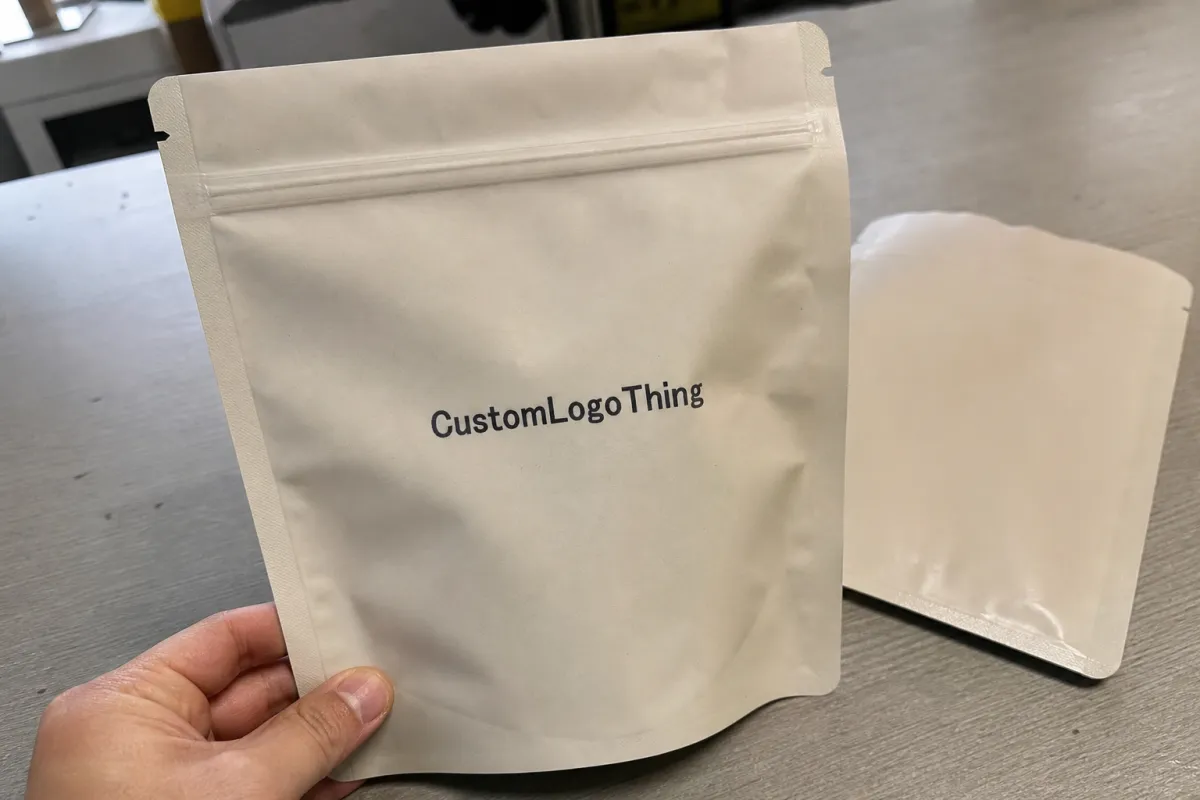
Rigid packaging has one advantage: it photographs well. It also takes up more space, uses more material, and usually costs more to move. Zipper pouches solve a different problem. They are lighter, flatter, and easier to stack in cartons or mailers, which often lowers transportation cost and improves warehouse efficiency.
That reduction can show up in several places at once. A pouch may weigh only a few grams less than a box, but when you multiply that by thousands of monthly shipments, the savings get real. Lower cube matters too. More units per carton can mean fewer pallets, less storage pressure, and cleaner replenishment cycles.
They fit especially well for:
- Beauty samples and travel-size items
- Snack subscriptions and dry food refills
- Wellness products like powders, teas, and supplements
- Small apparel or accessory kits
- Curated seasonal bundles that need flexible packaging
The mistake many brands make is choosing packaging for shelf drama and then discovering the format is too expensive to replenish monthly. A pouch does not need to be luxurious to be effective. It needs to protect the product, close reliably, and stay economical across repeat orders.
“A subscription package should protect margin first. If it looks good too, great. But pretty packaging that wrecks unit economics is just a very expensive hobby.”
For brands trying to tighten packaging costs, it helps to look beyond mockups and compare how each format behaves in transit and fulfillment. That is where practical sourcing decisions usually become obvious.
What subscription brands should expect from custom zipper pouch construction
A custom zipper pouch is typically built from laminated film layers with a resealable closure at the top and heat seals along the edges. The structure is simple enough on paper. The details are where cost and performance diverge.
Common options include matte or gloss finish, tear notch, hang hole, clear window, and gusset style. A flat pouch is usually simpler and cheaper. A stand-up pouch with a bottom gusset adds shelf presence and fill room, but it also uses more material and adds fabrication steps. That extra structure can be worth it for retail-facing subscription products, though not every SKU needs it.
Zipper quality deserves more attention than it gets. A closure that feels weak or misaligns after a few openings quickly turns into a complaint, especially for subscription products that are handled repeatedly. A better zipper usually costs more, but it can be the difference between a pouch that feels functional and one that feels disposable.
Print method is another cost lever. Simple artwork, limited-color designs, and repeatable layouts are usually easier to price. Full-coverage graphics, metallic effects, and specialty finishes increase setup complexity. If the packaging will be used month after month, consistency usually beats novelty.
Print method and cost impact
Digital printing can make sense for smaller quantities or artwork that changes frequently. Gravure and flexographic production tend to become more economical as volumes rise. The tradeoff is straightforward: more flexibility usually means a higher unit price, while higher quantities usually reduce cost per piece once the artwork and construction are locked down.
That is why a clear spec sheet matters before anyone starts quoting.
Specifications that drive zipper pouch bag performance
Quotes only become useful when every supplier is pricing the same pouch. If the spec is vague, the quotes will be too. Worse, they will look comparable on the surface while hiding meaningful differences in structure, barrier, and finish.
The core specifications are usually these:
- Dimensions — width, height, and gusset depth
- Film thickness — often measured in microns or mils
- Zipper style — standard press-to-close, child-resistant, or specialty closure
- Barrier level — basic protection versus moisture, oxygen, or aroma barrier
- Print coverage — partial print, full coverage, or full-bleed artwork
- Sealing format — side seal, bottom seal, or stand-up construction
Material selection changes the economics quickly. PET/PE laminates are common for general retail and many subscription products because they balance strength, printability, and cost. Kraft-laminate gives a natural look, which can suit wellness or artisan positioning, but it often raises cost. High-barrier structures are the right choice for products that are moisture-sensitive, aroma-sensitive, or shelf-life dependent. They tend to cost more, and some versions require higher minimums.
Film thickness is easy to overbuy. Thicker does feel sturdier, but it also increases material usage. For lightweight products that are not fragile, a moderate thickness is often enough. For puncture resistance, better hand feel, or improved durability in transit, extra thickness can be justified. The point is to pay for the function, not for the assumption that thicker automatically means better.
Functional details can matter just as much as the laminate. Tear notches improve opening convenience and are usually inexpensive. Euro holes help if the pouch will hang in retail. Rounded corners can reduce abrasion and improve handling, though they can add a small amount of fabrication complexity. A clear window can support product visibility, but it reduces printable area and may constrain the structure.
For food, beauty, and wellness items, ask directly about product suitability and material safety. Packaging should match the product’s sensitivity, not just its appearance. Where shipping durability matters, testing references such as ASTM and ISTA can help frame what the package should survive in transit rather than only what it looks like on a table.
For broader packaging references, the Packaging Machinery Manufacturers Institute and ISTA are useful starting points.
Subscription brands zipper pouch bags unit cost review: what changes the price
Here is the part most buyers want first and the part many quotes obscure. The subscription brands Zipper Pouch Bags unit cost review comes down to a limited set of drivers: material, size, print complexity, zipper quality, barrier requirements, add-ons, and quantity.
Practical price ranges help, but only if they are treated as ranges, not promises. A simple custom zipper pouch at lower volumes may land around $0.18-$0.45 per unit, depending on size, structure, and print coverage. At more repeatable volumes, often around 5,000 to 20,000 pieces, many standard builds can compress to roughly $0.09-$0.28 per unit. Specialty barriers, heavy print coverage, metallic effects, or custom features can move the price above that band. Anyone offering a one-number price without context is skipping the variables that matter.
MOQ changes the cost structure because setup gets spread across more units. A lower MOQ is useful for testing a new SKU or launching a seasonal variation, but the price per piece is usually higher. A higher MOQ can unlock better pricing, though it also increases inventory commitment. There is no universal “right” number. The right quantity is the one that fits your sell-through rate, reorder cadence, and storage capacity.
| Volume tier | Typical unit cost | Best for | Tradeoff |
|---|---|---|---|
| 1,000-2,500 pcs | $0.18-$0.45 | Testing, launches, small programs | Higher cost per piece, more setup charges |
| 5,000-10,000 pcs | $0.09-$0.28 | Proven subscription SKUs | Better pricing, more inventory commitment |
| 20,000+ pcs | $0.06-$0.18 | High-repeat monthly shipments | Lowest unit cost, higher cash tied up |
There are hidden costs too. Freight can change a good-looking quote into an average one very quickly. Tooling fees, plates, and setup charges may apply depending on the print method. Sample charges are common. Export packaging, duties, and delivery terms all affect landed cost. A low factory price is not the same thing as a low final cost.
For recurring subscription programs, it usually makes sense to buy to a spec that can be reproduced without reworking the artwork or renegotiating the build every month. The fanciest pouch is rarely the most useful pouch. The best one is the version that protects product quality, holds up in fulfillment, and stays economical across repeat orders.
Pricing, MOQ, and quote details buyers should verify
Most quote problems start with incomplete inputs. If the size, material, thickness, zipper type, finish, print coverage, quantity, and shipping destination are not spelled out, the pricing is not comparable. A quote for a 4 x 6 pouch is not interchangeable with a quote for a 5 x 7 pouch, even if the email thread makes it seem that way.
Ask for MOQ early. Some suppliers can do smaller runs, but the tradeoff is usually a higher per-unit price. Others are better suited to volume programs and can show sharper pricing once a run becomes repeatable. If a pouch will be used in the same subscription box every month, request pricing at two or three volume points. That makes the breakpoints visible.
Compare quotes only after the feature set is matched. A cheaper unit price may reflect thinner film, a simpler zipper, lower barrier performance, or reduced print coverage. That can be fine if the product does not need more. It is not fine if the cheaper quote is being compared against a different build.
A useful comparison sheet should include:
- Size and gusset
- Material structure
- Thickness
- Zipper type
- Finish
- Print coverage
- MOQ
- Unit price at each volume
- Setup charges and tooling fees
- Estimated landed cost
The landed-cost line is the one that gets skipped most often and causes the most regret later. Freight and duties can erase a weakly analyzed factory price. For brands working on tight margins, landed cost should carry more weight than sticker price.
If the subscription product is already proven and the reorder cycle is predictable, ordering slightly more can be economical if it materially lowers the unit cost. That only works if the pouch design is stable and storage space is available. Inventory savings are real, but so is the cost of sitting on too much packaging.
Process, timeline, and production steps from quote to delivery
The production sequence is straightforward: inquiry, spec confirmation, artwork review, sampling or proofing, production, quality control, packing, and shipment. The timeline depends less on the factory than on how complete the buyer’s inputs are.
For many custom pouch programs, a standard lead time is often around 12-20 business days after proof approval. Complex print, special finishes, and larger quantities can extend that. If a sample is required, add time for that approval cycle. If the artwork is not final, add more. Color-critical work adds another layer of review.
The delays that create the most trouble are usually predictable:
- Incomplete dieline files
- Missing bleed or low-resolution artwork
- Color revisions after proof review
- Unclear size requirements
- Late approval from the brand team
Rush orders can be done, but they usually cost more and leave less room for correction. They make sense when a launch date is fixed or a replenishment gap would stop fulfillment. Otherwise, standard production is the safer path.
Quality control is not optional on recurring packaging. A good run should check zipper alignment, seal strength, print consistency, cut accuracy, and pouch dimensions. On larger programs, it is sensible to confirm that the finished bags pack the way they were intended to pack. A pouch that technically meets spec but jams the packing line creates a different kind of cost.
For subscription brands, reorder timing can matter as much as the first purchase. Packaging should be ordered ahead of replenishment cycles so it does not become the bottleneck. If monthly fulfillment is the model, buffer for production, transit, inspection, and any required correction before the next shipment wave.
How to choose a zipper pouch supplier for subscription programs
The best supplier is not the one with the loudest marketing. It is the one that gives consistent specs, clear answers, and repeatable output. For subscription packaging, consistency has a direct financial value because reorders are part of the model, not an exception.
Look for these capabilities:
- Stable print quality from order to order
- Clear communication on specs, MOQ, and lead times
- Artwork support and dieline checks
- Sample guidance before production
- Recurring reorder experience for subscription or promo-based programs
The better suppliers will also tell you when a spec is overbuilt. That is not a bad sign. It usually means they understand how to reduce cost without hurting the function. A supplier experienced with subscription fulfillment will think about packing efficiency, zipper durability under repeated handling, and how the pouch fits into mailers or shippers without wasting space.
Before moving forward, use a practical checklist:
- Request a full spec sheet
- Ask for MOQ by version, not just a generic minimum
- Get sample options or photo proofs
- Ask for unit cost at three volume tiers
- Confirm production timeline after artwork approval
- Request landed-cost estimates, not just factory pricing
Communication quality matters more than many buyers want to admit. Slow, vague replies before the order often become slow, vague replies after the order. That is not a mystery; it is a pattern.
If you are comparing suppliers, make sure every one of them is pricing the same pouch build. The closer the spec match, the more useful the quote comparison becomes.
For sustainability-minded brands, it can also help to review paper-based components and sourcing claims against recognized standards. FSC is useful when evaluating paper elements or printed cartons surrounding the pouch. See FSC for reference.
Next steps to compare samples, specs, and final cost
Start with the product dimensions and fill weight. Then decide whether the pouch needs basic protection, moisture resistance, or a higher barrier structure. After that, choose finish and print coverage. Doing it in that order keeps the conversation grounded in function rather than visuals.
If the pouch will touch food, cosmetics, or premium consumer goods, order samples. Check zipper feel, seal strength, print sharpness, and whether the bag sits flat or stands the way it should. Small flaws are tolerable in a sample. Repeated across thousands of subscription shipments, they become expensive.
Compare at least two quantity scenarios. A 2,500-piece quote and a 10,000-piece quote usually reveal whether the cost structure fits the business model. If the price drops sharply at the higher volume and the product has steady demand, ordering more may be rational. If the savings are modest, a tighter inventory position may be better.
Prepare artwork in vector format, confirm the dieline early, and keep revisions to a minimum. Every revision adds time. Every unclear instruction creates a correction. Every correction costs something. Packaging work feels simple until the spec is left open-ended.
For brands that need the packaging to support margin instead of eating into it, the most useful comparison is not between renderings. It is between samples, landed cost, and repeat-order consistency. That is the practical version of subscription Brands Zipper Pouch Bags Unit Cost Review: choose the pouch that fits the product, the shipment method, and the replenishment schedule, not the one that only looks good on screen.
What affects subscription brands zipper pouch bags unit cost the most?
Material type, pouch size, print coverage, zipper style, barrier requirements, and order quantity are the biggest cost drivers. Freight and setup charges can change landed unit cost more than buyers expect, especially on lower-volume orders.
What is a typical MOQ for custom zipper pouch bags?
MOQ depends on material, print method, and customization level. Lower MOQs are usually available, but they often come with a higher per-unit price. Higher volumes usually unlock better bulk pricing.
How long does production usually take after approval?
Timing depends on artwork approval, sample sign-off, quantity, and print complexity. Standard production is faster when the artwork is final and the pouch spec is already confirmed. A realistic window is often around 12-20 business days after proof approval, plus shipping time.
Can zipper pouch bags be made for food, beauty, or wellness subscriptions?
Yes, but the material and barrier spec should match the product. Food and moisture-sensitive items usually need stronger sealing and better protection than general retail items.
How should I compare quotes from different pouch suppliers?
Compare the exact same dimensions, material, thickness, zipper type, finish, and quantity. Ask for landed cost, not just factory price, so shipping and setup fees are included.


