One wrong mailer size can quietly tax every subscription shipment. Too much empty space wastes film and freight. Too little room invites split seams, crushed inserts, and a pack-out that slows the line. For that reason, subscription printed poly mailers Bulk Order Planning should begin with the shipment profile, not the artwork file.
Recurring mailers are not a one-off print job. They move through a cycle: forecast, approve, receive, store, issue, reorder. That rhythm matters. Treat the program like a supply item and the numbers become easier to control. Treat it like a promo piece and the process gets messy fast.
Subscription printed poly mailers bulk order planning: where recurring volume pays off
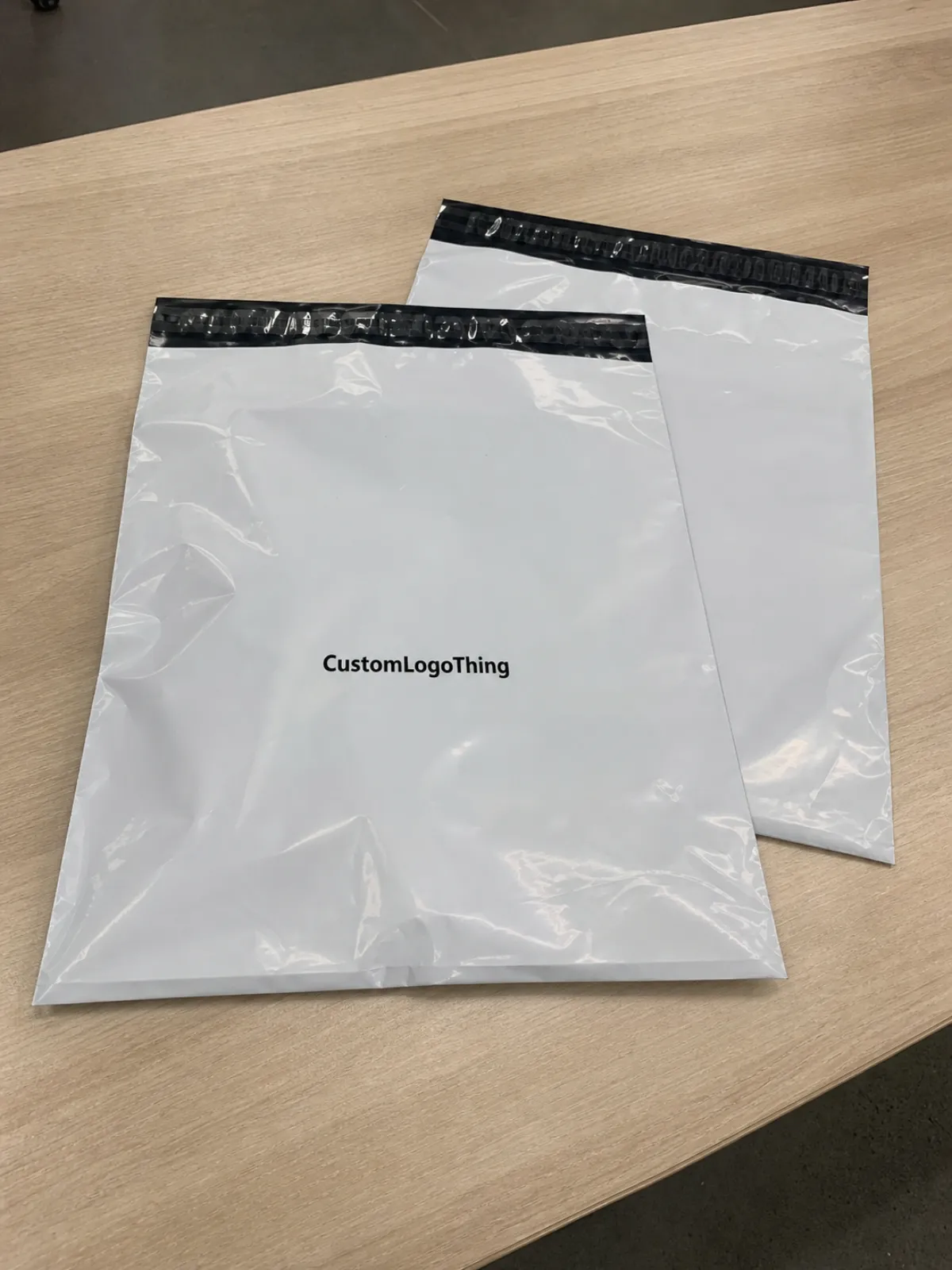
Subscription brands get the most value when the mailer becomes a fixed part of fulfillment. A consistent bag size reduces pack-out decisions, speeds up training, and keeps the customer experience from drifting month to month. If one batch is a little undersized, inserts may buckle or disappear into the fold. If another is oversized, shipping weight rises and the parcel looks underfilled.
The payoff usually shows up in three places: fewer packing errors, steadier freight efficiency, and simpler reordering. Bulk planning also gives buyers a cleaner way to compare custom poly mailers across production runs instead of reworking the same baseline every quarter. That matters because supplier schedules are easier to reserve when the quantity pattern is predictable.
Subscription shipments are usually repetitive by design. The product mix may change a little, but not enough to justify a new outer package every month. Once the flat size, closure style, and print layout are set, subscription printed poly mailers Bulk Order Planning becomes a procurement exercise rather than a design scramble. That is where most of the savings show up.
Not every recurring program asks for the same thing. Apparel needs different stretch and puncture behavior than supplements, accessory kits, or beauty refills. Still, the logic is consistent: early planning matters more when the order repeats twelve times a year. A one-time mailing can absorb a little waste. A long-run subscription calendar cannot.
The cheapest mailer is usually the one that fits correctly, prints cleanly, and reorders on schedule.
Mailer construction and print options that hold up in repeat shipments
Mailers fail in predictable ways. Seams split at the fold. Adhesive loses tack. Print scuffs during transit. Thin film stretches too much during packing and makes the seal inconsistent. Those problems are not random; they are usually the result of a spec that was chosen too fast.
For lighter apparel and soft goods, a 2.5 mil to 3 mil co-extruded poly mailer is often enough. For denser kits or shipments with sharp edges, 4 mil can be the safer choice because it improves puncture resistance and lowers the odds of corner tears. Thickness is not just a durability number. It also changes the feel in hand and the way the bag behaves on a packing table.
Closure style changes daily fulfillment performance. A permanent adhesive strip works for outbound shipments that do not need returns. Dual-adhesive or tamper-evident closures can support return-friendly programs, but they add cost and a little more handling complexity. If a team packs hundreds of orders per shift, small differences in flap behavior show up quickly.
Print method matters too. Flexographic printing is common for solid brand colors and long runs. It suits simple artwork, controlled color counts, and volumes large enough to justify setup. More elaborate print processes can produce richer coverage, but buyers should compare that against lead time, rework risk, and unit economics. More ink is not automatically better. It still has to survive folding, scuffing, and machine handling.
| Mailer option | Typical fit | Common use case | Cost signal |
|---|---|---|---|
| 2.5 mil co-ex mailer | Light apparel, thin soft goods | Low-weight subscription shipments | Lowest unit cost, but less margin for abuse |
| 3 mil printed mailer | Standard subscription kits | Balanced choice for most recurring programs | Often the best blend of price and durability |
| 4 mil heavy-duty mailer | Bulkier kits, denser contents | Heavier monthly bundles or shipping-sensitive goods | Higher unit cost, lower damage risk |
Finish also affects perception and performance. Gloss can sharpen the printed surface and resist scuffing a little better. Matte can feel more premium, though it is not always the most practical choice for a fast packing line. If you are adding barcodes, QR codes, batch labels, or fulfillment notes, keep the print field clean enough that scanability does not suffer. Decoration is fine. Unreadable tracking data is not.
During sample review, check more than color. Rub the print lightly, press the adhesive several times, and fold the bag as it would sit on a packing bench. If the exterior cracks, the ink rubs off, or the flap misbehaves, those issues will get worse under volume. A mailer that looks impressive in a mockup can still fail when the line gets busy.
For buyers comparing recurring formats, the Custom Poly Mailers category is a useful reference point. Pair that with ISTA test standards if the package needs transit validation. Real shipping conditions are the final test, not the render.
Specifications to lock before you request a quote
Before pricing starts, lock the spec sheet. That is not bureaucracy. It prevents three different vendors from quoting three different assumptions. Start with the packed dimensions of the core product mix, then add room for inserts, seasonal bundles, and occasional overfill. If the mailer must handle a folded shirt one month and a shirt plus sample card the next, size for the larger condition.
For subscription printed poly mailers Bulk Order Planning, the most useful spec list is short and exact:
- Flat size and usable internal space
- Film thickness in mils
- Closure type and adhesive strength
- Perforation or tear strip, if needed
- Print sides, color count, and coverage level
- Artwork format in AI, PDF, or layered vector files
- Bleed and safe zone rules for logos, text, and barcodes
- Reorder cadence, whether monthly, quarterly, or tied to subscriber growth
Those details move price more than many buyers expect. Thicker film adds material cost. A custom flap can change machine setup. Heavy ink coverage can increase print time and waste. Even a small change in width can affect how many units fit in a carton or pallet, which then changes freight economics.
The pack-out itself also needs to be described clearly. If a box sits inside the mailer, say so. If inserts float loose, say that too. If the shipment includes sharp corners, glass, liquids, or a high-return category, those facts matter before the quote lands. The supplier needs the real pack, not the flat product measurement.
Legal copy and regulatory text deserve a final check as well. Once the mailer folds, pockets and seams can hide content that looked clear in the file. Keep font sizes readable, leave enough contrast around small type, and make sure no important data sits too close to the seal or trim edge.
Buyers who manage packaging through more than one department often keep the buying pattern visible through Wholesale Programs so the spec does not drift between marketing, operations, and purchasing. That kind of alignment reduces rework later, especially when a recurring package grows from test volume into a fixed monthly line item.
Cost, MOQ, and unit cost tradeoffs
In subscription printed poly mailers Bulk Order Planning, MOQ should be treated as a pricing lever, not just a hurdle. Larger runs usually lower unit cost because setup, plates, proofing, and handling are spread across more pieces. The mistake is ordering too little and then paying a higher price per unit, more freight per piece, and another proof cycle a few months later.
For rough planning, many buyers see custom printed poly mailers land around $0.18 to $0.35 per unit at 5,000 pieces, depending on size, thickness, and print coverage. At 10,000 pieces, the unit price may fall closer to $0.12 to $0.24. Those are planning numbers, not promises. Color count, material availability, and current production load can move a quote in either direction. Still, the range is useful when budget decisions need to happen quickly.
Smaller orders feel safer, but they often hide extra cost. Setup fees do not disappear. Freight can make up a larger share of the landed cost. Reorders can trigger new proofs or revised plates if artwork changes. Larger orders require storage space, but they usually produce a better landed price if the volume is stable.
| Order tier | Typical buyer profile | Expected pricing behavior | Main risk |
|---|---|---|---|
| 3,000 pieces | Tested subscription program, still scaling | Higher unit cost, lower inventory commitment | Setup and freight can outweigh savings |
| 5,000 pieces | Stable recurring volume | Often the best balance of price and flexibility | Needs realistic storage and reorder discipline |
| 10,000+ pieces | Established subscription brand | Lower unit cost and better production leverage | Capital tied up in inventory if forecasts slip |
Ask directly about tooling charges, overrun tolerance, color change fees, and storage charges for split shipments. Also ask whether the quote assumes stocked base material or a custom-made film. A stocked substrate is usually faster. A custom film can improve spec control, but the minimum and timeline may shift.
Storage matters more than some teams expect. Poly mailers are light, but cartons still take floor space. Humidity, dust, and rough pallet handling can affect the outer cartons and the finish of the printed film. If a site uses high turnover, it is usually worth confirming pallet count, carton size, and whether the bags are packed in ways that prevent blocking or warping during storage.
If subscriber volume is still moving around, a smaller MOQ can be the right choice even if unit cost is slightly higher. If the monthly base is predictable, a larger commitment usually makes more sense. The correct answer depends on turnover, cash flow, and how stable the next three replenishment cycles look.
Process, timeline, proofing, and production steps
The best recurring programs run on a calm timeline. Artwork intake comes first, then proof, approval, production, inspection, packing, and dispatch. If one step stalls, the whole order slides. Complete files matter because missing dielines and late revisions are common reasons for delay. Shipping instructions come next. A good order can still arrive late if the destination data is incomplete or the delivery window is vague.
Typical lead time depends on complexity and quantity. A straightforward print run with approved artwork may move in roughly 12 to 15 business days after proof approval. More complex jobs, custom films, or a heavy production calendar can take longer. Buyers should build their reorder calendar backward from the inventory threshold, not forward from the date they hope to reorder. That simple shift reduces stockouts.
The proofing stage deserves real attention. Check logo placement, color breaks, line thickness, and barcode contrast. If the mailer carries regulatory text, return instructions, or a customer-service panel, verify that those elements remain readable after folding and packing. Low-resolution files can look acceptable on a laptop and fail on press. Vector art, clean type, and final copy save time.
Incoming inspection should be specific, not casual. Check bag count against the packing list. Confirm lot numbers if the order is split across cartons. Open a few cartons from different pallets and look for print variation, seal consistency, and corner damage. If the order includes adhesive samples or special closures, test them after the cartons have been at room temperature for a short period. Cold adhesive can behave differently from a conditioned sample.
If the shipment is fragile or the contents are sensitive, ask whether the mailer needs transit testing. Packaging guidance from industry groups and ISTA-style checks can help teams decide whether the package should be reinforced or re-specified. The goal is not to win a lab score. The goal is to cut damage, returns, and customer complaints.
One practical habit helps more than most teams realize: keep a reorder log. Record the approved artwork version, the exact spec, the pallet count, the destination, and the delivery lead time. When the next buy comes around, you are not reconstructing the order from memory. You are repeating a known-good sequence.
What separates a dependable recurring-order supplier
Consistency is the first test. A supplier that can print one good run is useful. A supplier that can repeat the same color, size, and adhesive performance across multiple runs is far more valuable. Subscription brands live on repetition, so the packaging partner has to protect that rhythm.
Communication is the second test. The best vendors do not oversell capacity. They explain what can ship now, what needs more time, and what depends on material allocation. That honesty is worth money because it keeps forecasts realistic. A supplier that promises impossible lead times often creates bigger problems later.
Look for support that reduces friction. Sample packs help when comparing thickness or finish. Revision logs help when marketing changes artwork every quarter. A single point of contact helps because reorder questions do not get bounced around a sales queue. These are small operational details, but they matter in a recurring program.
A dependable partner should also preserve proof history. If the same logo, barcode, and mailer size are approved again six months later, there should be a clean record of the prior job. That makes the next purchase faster and lowers the chance of drift. It is not glamorous, but it is how stable programs stay stable.
One more practical sign: they ask the right questions before quoting. Not just quantity and size, but monthly ship count, insert weight, storage constraints, return policy, and whether the line uses hand pack or automated pack-out. Those questions are a good sign because they show the supplier understands where packaging failures actually happen.
There is a clear difference between a vendor and an operations partner. A vendor prints the mailers. An operations partner helps keep the repeatable process intact.
Next steps for locking in your repeat order plan
Start by auditing monthly shipment counts, not annual wish lists. Then standardize the mailer size around the largest normal pack-out, identify the SKU mix, and decide whether the program needs a premium finish or a utility-first build. Once that is done, collect artwork files, preferred delivery windows, and target quantities. That package gets you much closer to a quote you can use.
Ask for tiered pricing at three volume levels. That makes it easier to compare the current run against the next growth stage without guessing. If the lower tier barely changes the landed cost, smaller buys may be the smarter choice. If the higher tier drops the unit price sharply, a larger commitment may be justified. The math should drive the decision, not habit.
Also decide whether the mailer belongs in a broader recurring procurement plan. Some brands keep packaging, inserts, and outer cartons on one purchasing calendar so production timing stays aligned. Others split them and end up with mismatched inventory. The more synchronized the program, the fewer emergency buys show up later.
For teams building a subscription program from scratch, subscription printed poly mailers Bulk Order Planning is usually the first packaging decision worth locking down after the shipment forecast. Send the supplier dimensions, monthly volume, artwork files, print colors, and reorder cadence first. That is the shortest path to a quote that matches reality and a mailer program that holds up shipment after shipment.
How does subscription printed poly mailers bulk order planning work for recurring shipments?
Start with monthly shipment volume, then choose a mailer size and print spec that can handle the full cycle without frequent changes. Tiered quotes make it easier to compare unit cost at the current level and at the next growth step, which keeps subscription printed poly mailers bulk order planning grounded in real numbers.
What MOQ should I expect for custom printed poly mailers in a subscription program?
MOQ depends on print complexity, film availability, and the number of colors or print sides. Brands with steady recurring volume can often justify a higher MOQ if it lowers the cost per shipment and reduces reorder friction.
Which specs matter most when ordering bulk printed poly mailers?
Size, thickness, adhesive strength, and print layout are the first four specs to lock before quoting. If the mailer is too tight or too large, you pay for waste, rework, or avoidable shipping inefficiency.
How long is the typical lead time for a bulk custom poly mailer order?
Lead time depends on proof approvals, print setup, quantity, and whether the base material is stocked or made to order. Fast approvals and complete artwork files are the best way to keep the timeline predictable.
What should I send to get an accurate quote for recurring mailer orders?
Provide dimensions, quantity targets, artwork files, print colors, shipping destination, and your reorder cadence. If you include those details up front, the quote is usually closer to final cost and easier to compare across suppliers.


