For a supplement brand, supplement brand Poly Mailers Unit cost is not just a print quote. It is the total of film, ink coverage, setup, packing labor, freight, and the amount of empty space you stop paying to ship. If a bottle or pouch is riding inside a carton that is mostly air, the packaging bill is doing work that the product itself does not need. Poly mailers can change that math fast for lightweight SKUs, subscription refills, samples, and starter kits that do not need a rigid box every time.
The deeper issue is perception. A plain mailer can make a well-formulated supplement feel generic, while a branded mailer can support brand identity and a cleaner unboxing experience without touching the formula inside. The customer sees the outside first. For a lot of brands, that first glance matters almost as much as the label on the bottle. That is why the real question is not only what the mailer costs today, but how the Supplement Brand Poly Mailers unit cost behaves across reorders, promotions, and subscription cycles.
Why Poly Mailers Can Cut Supplement Shipping Waste Fast
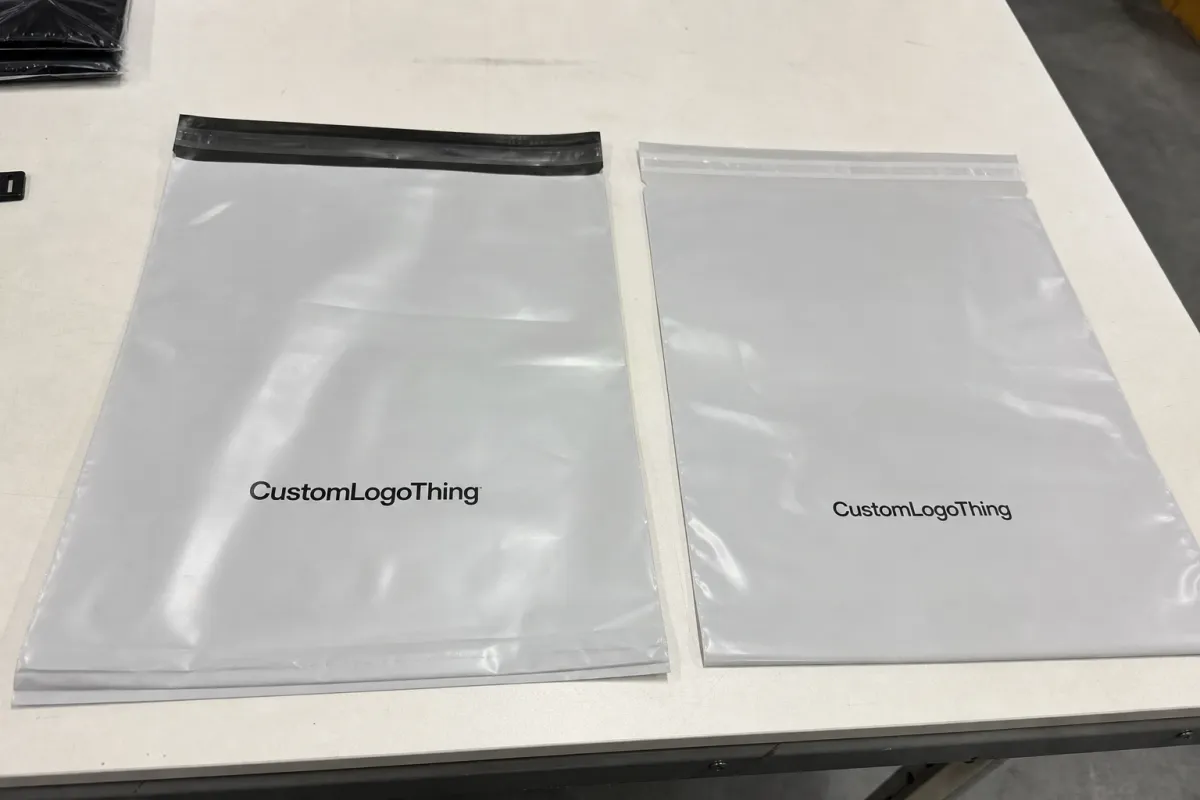
Poly mailers earn their place by removing unnecessary layers from the packing process. A slim bottle, a soft pouch, or a sample assortment often does not need corrugated board, void fill, and the extra handling that comes with box assembly. Fewer materials means fewer touches on the line. In practical terms, supplement brand poly Mailers Unit Cost should be judged against the full outbound process, not just against the price printed on a supplier quote.
The savings usually show up in three places. First, lighter packaging can reduce postage exposure, especially when a box size pushes the shipment into a higher dimensional-weight bracket. Second, fulfillment moves faster because there is less folding, taping, and filler handling. Third, branded mailers create a consistent visual cue at the doorstep. Repeat buyers notice that more than most teams expect. A subscription box that looks the same each month tends to feel more deliberate than one that arrives in a plain pouch.
There is also a subtle brand effect that is easy to underestimate. A well-printed poly mailer can raise the perceived value of the order even if the product formula and container do not change at all. That is not a theory pulled from a deck; it is a straightforward packaging response. People judge the shipment before they judge the supplement. If the outer pack looks controlled and clean, the brand starts with a small advantage. In that sense, supplement brand Poly Mailers Unit cost sits partly in operations and partly in marketing.
Not every supplement belongs in a mailer. Glass jars, tall bottles, and anything with a sharper edge may still need the crush protection of a carton. But for pouches, slim bottles, blister packs, and mixed sample kits, a poly mailer is often the cleaner choice. If you are comparing packaging formats across a wider launch, our Custom Packaging Products page is a useful way to think through the full system rather than one isolated component.
The cheapest quote is rarely the best value. The number that matters is the landed cost that protects the product, keeps the pack line moving, and still gives the customer a package worth opening.
Product Details That Matter for Supplement Shipments
A Custom Poly Mailer is simpler than a carton, but it still has real engineering behind it. Most are made from LDPE or co-extruded film with side seams, a pressure-sensitive adhesive strip, and enough surface area for clear branding. For supplement shipments, that structure has to balance flexibility and protection. The bag should hold its shape well enough to look intentional while still bending safely around bottles, pouches, or inserts.
Product format changes the spec more than many buyers expect. A single bottle needs space around the cap so the closure does not press hard into the seam. Powder pouches and soft packs usually sit flatter and are easier to mail. Subscription starter kits are trickier because they often combine a bottle, a sample packet, and a card. That extra material builds thickness quickly, which is one reason supplement brand poly mailers unit cost should be tied to the exact contents, not to a generic shipping assumption.
Branding details matter too. Clean logo placement, repeatable color, and strong contrast on the printed face all influence brand consistency. Gloss finishes tend to make color pop harder, while matte or soft-touch styles usually feel more premium and hide scuffs better in transit. If the mailer is part of a larger packaging family, it should look like it belongs with the brand's carton, label, and insert system. A one-off outer bag can make the whole program feel stitched together.
Protection needs are straightforward: tear resistance, water resistance, and a clean opening experience. A mailer does not need to survive brutal treatment, but it should handle normal parcel movement without splitting at the seams or smearing the print. For some supplement brands, a tamper-evident closure is also worth asking for, especially when the mailer goes to subscription customers who expect the package to arrive untouched. If you want to compare outer-pack formats, our Custom Poly Mailers page is a practical place to start.
For distribution validation, many packaging teams use ISTA methods for drop, vibration, and compression tests. That keeps the discussion grounded in transit stress instead of guesswork. The standards are helpful because a mailer that looks fine in a sample room can behave very differently after a rough parcel route: ISTA testing resources.
Thickness, Size, and Print Specifications to Lock In
Thickness is where supplement buyers most often overbuild or under-spec the mailer. A thinner film can be perfectly fine for sample packs, sachets, and soft pouches. A heavier gauge makes more sense for bottle shipments, starter kits, or orders that travel through longer parcel chains. As a practical rule, supplement brand poly mailers unit cost tends to rise as film thickness increases, but the extra cents can be cheaper than split seams, damaged goods, or customer service time.
Common film ranges include 2.5 mil, 3 mil, and 4 mil. A 2.5 mil mailer works for lighter contents and lower-risk routes. A 3 mil build is often the middle ground for standard supplement shipments. A 4 mil spec is better when the pack contains sharp closures, heavier contents, or a stronger hand feel requirement. There is no reward for choosing the thickest option if the product does not need it. Every extra layer adds material cost and can make fulfillment slightly stiffer on the line.
Size selection should start with the largest SKU, then add room for inserts, labels, and any secondary protection. Measure the full footprint, not just the container body. A bottle with a tall cap, a pouch with a zipper seal, or a kit with a card insert needs enough clearance so the seal closes flat. If the bag is too small, seams get stressed and the pack bulges awkwardly. If it is too large, the brand pays for wasted film and loses a bit of presentation control.
Artwork specs that save headaches
Print quality starts with files. Bleed, safe area, and font size all matter, especially if the design uses small type or fine linework. For most mailers, a 0.125 inch bleed and a sensible safe zone are enough to keep logos and compliance text away from the cut edge. If the artwork depends on brand colors that need to hold steady across future runs, lock those references early so brand consistency does not drift from one batch to the next.
One-color branding often gives the cleanest balance between price and presentation. Full-color art can look strong, but it usually increases setup complexity and can raise supplement brand poly mailers unit cost. Buyers should ask whether the design truly needs full coverage or whether a restrained logo, pattern, or panel print would do the job with less cost and less risk. The best package is not the loudest one. It is the one that works every day without creating avoidable production friction.
Finish and seal quality round out the spec sheet. A good adhesive strip should close cleanly and hold under normal parcel handling. The printed surface should resist rubbing without streaking, and the seam should stay neat enough that the mailer still feels deliberate in the customer’s hands. For supplement brands that also source paper components, FSC-certified paperboard can be a useful standard for inserts or cartons: FSC certification resources.
Supplement Mailer Pricing, MOQ, and Unit Cost Drivers
Supplement brand poly mailers unit cost changes most when order quantity changes. Size, thickness, and print coverage matter too, but MOQ is usually the lever that moves the quote the most. A supplier has to cover setup, materials, press time, inspection, and packing. Once those fixed costs are spread across more pieces, the per-unit number drops in a way that is easy to see on paper and very real in a reorder budget.
The pricing curve usually behaves in a familiar way. Small test runs are expensive per unit because setup sits on a tiny quantity. Mid-size production runs often hit the best balance between inventory risk and price. Larger orders deliver the lowest unit cost, but they also tie up cash and storage space. For supplement brands with steady subscription volume, that tradeoff can make sense. For brands with seasonal launches or uncertain demand, it may be smarter to start at a middle tier and scale up after the design is proven.
| Order quantity | Typical unit cost range | What usually happens |
|---|---|---|
| 1,000 to 2,500 | $0.42 to $0.95 | Setup cost is heavy; useful for testing artwork and fit |
| 5,000 | $0.18 to $0.38 | Common first production run for a growing supplement brand |
| 10,000 | $0.11 to $0.26 | Better pricing and stronger inventory efficiency for repeat shipments |
| 25,000+ | $0.08 to $0.18 | Lowest per-piece pricing, but only if storage and demand are stable |
The exact number will move with print coverage, size, and film spec. A one-color logo on a stock-size mailer may sit near the low end of that range, while a fully printed custom size with richer artwork can climb quickly. If the artwork needs extra setup, cylinders, plates, or color matching, that should be visible in the estimate. A useful quote should show unit cost, setup charges, freight terms, sample fees, and cartonization if applicable. If it does not, the quote is too thin to compare.
That is why buyers should separate production price from delivered cost. A mailer that looks cheap at the factory can become expensive once freight, import duty, packaging, and receiving time are added. Compare quotes on the same basis: same size, same thickness, same print coverage, same delivery terms. That is the only fair way to measure supplement brand poly mailers unit cost across suppliers.
MOQ is not just a sales threshold. It is often the point where press setup stops dominating the math. If a supplier asks for 10,000 pieces and you need only 3,000, ask for tiered pricing at 3,000, 5,000, and 10,000. Sometimes the jump is small enough that the larger order lowers the true spend once reorder timing is included. A lower unit price can still be the wrong decision if the boxes sit in storage for a year.
Production Steps, Proofing, and Lead Time Expectations
The production flow is usually straightforward, but the details matter. It starts with artwork review, then a digital proof, then sample approval if needed, then production, inspection, and shipping. A clean process keeps supplement brand poly mailers unit cost predictable because nobody has to stop and rework a file halfway through the run. The more complete the files are at the start, the less the job pays for avoidable delay.
Most delays come from familiar problems: missing dimensions, incomplete logo files, color references that are vague, or a sample that arrives late and needs another round of approval. Brands that move fastest usually send print-ready art, confirm the mailer size early, and answer proof questions the same day. That is not about rushing. It is about removing friction that quietly stretches lead time.
For standard custom printed mailers, production windows often land around 12 to 18 business days after proof approval, depending on design complexity and factory schedule. Shipping time sits on top of that. If the order travels by sea freight, the timeline is obviously longer. Rush requests can work, but they usually reduce scheduling flexibility and can raise the total cost. A launch team should treat packaging as a lead-time item, not as a last-week detail.
Good suppliers also flag where the clock is likely to slip. If the color match needs extra review, they should say so. If a custom size needs tooling or a different seam structure, that should be part of the quote before anyone starts. Clarity at that stage is worth more than a vague promise of speed. The best production plans are boring in the right way: no surprises, no half-finished approvals, no mystery revisions.
One practical habit helps more than most teams expect: approve the largest product dimension first. That single decision affects bag size, film thickness, and whether inserts fit without fighting the closure. Once that is locked, the rest of the order usually moves faster and with fewer revisions.
How to Vet a Mailer Supplier Before You Place Repeat Orders
Price matters, but repeatability matters more. A supplier that can hit a low number once is not necessarily right for a supplement brand that ships every week. You want stable print registration, clean seams, consistent film gauge, and a reorder path that does not force you to relearn the spec every time. That consistency protects both brand recognition and the packing operation itself.
Start with the visible basics. Does the print align cleanly on the bag, or does the logo drift from one batch to another? Do the seams stay even under normal handling? Does the adhesive close firmly without curling the flap? Can the supplier explain why one version costs more than another? If they cannot walk through those differences, they probably do not have control of the process you are buying.
Communication is the next filter. A good partner responds quickly, sends proofs that match the order, and packs the mailers so they arrive flat and usable. Low quotes often hide their weakness here. The number looks fine, but the shipment shows up with bent stacks, off-color print, or a spec that changes on the next reorder. That kind of variation hurts brand consistency and can cost more than the savings.
It also helps to ask how the mailer fits into the rest of the packaging program. If your team uses branded cartons, inserts, or labels, keep the visual system aligned. Our Case Studies page shows how packaging choices affect repeat orders and customer response, and the broader Custom Packaging Products range can help keep the shipping outer, the insert, and the product presentation working together.
Finally, ask how the supplier handles reorders as volume grows. A solid vendor should be able to hold the same spec, explain when price breaks change, and give you a stable path from test run to regular production. That matters because supplement brands tend to scale in steps, not in straight lines. The best supplier is the one who stays aligned as supplement brand poly mailers unit cost shifts with volume, not the one who only looks good on the first quote.
What to Prepare Before Requesting a Quote
If you want a useful quote, send the basics in one clean packet. Include bag size, expected quantity, number of print colors, artwork files, target ship date, and delivery destination. That is enough for a supplier to start estimating supplement brand poly mailers unit cost with fewer assumptions and less back-and-forth.
It also helps to send product dimensions, not just the SKU name. A supplier can tell much more from a bottle's height, cap style, and pack-out width than from a product title alone. If the order contains a pouch, a bottle, or a mixed starter kit, show all the components. That is the best way to confirm fit, select the right thickness, and avoid a mailer that is too tight or too loose.
Before placing a larger order, consider a small run or sample approval cycle so you can verify both the look and the handling. A test run often catches things that artwork proofs cannot, such as how the mailer feels during packing, whether the print reads clearly under warehouse lighting, and whether the final size fits the product without excess slack. Small mistakes are much cheaper to fix before the order scales.
A solid request-for-quote package usually has six items: product dimensions, desired quantity, artwork files, print color count, shipping location, and timing. With those in hand, a supplier can quote more honestly and you can compare options on a real basis instead of guessing. That is the fastest way to narrow the field and settle on the right spec for the brand.
Frequently Asked Questions
What affects supplement brand poly mailers unit cost the most?
Order quantity is usually the biggest driver, followed by size, thickness, and print complexity. Freight, setup fees, and any special finishes can also move the delivered cost more than buyers expect, so always ask for an all-in quote.
What MOQ should I expect for custom supplement poly mailers?
MOQ depends on the printer and whether the mailer is a stock size or a fully custom printed build. Larger runs usually lower the per-piece cost, so it is smart to ask for pricing at several quantities before you decide.
Does more artwork coverage raise supplement mailer pricing?
Yes. More print coverage and more colors usually increase production complexity and cost. Simple one-color branding often gives the cleanest balance between strong presentation and a lower unit cost.
What thickness works best for supplement shipments?
The right thickness depends on what is inside the mailer and how much puncture protection the order needs. Lighter shipments can use a thinner film, while boxed or sharp-cornered items usually need a sturdier spec.
How long does a custom supplement poly mailer order take?
Timeline depends on proof approval, production schedule, and shipping method. Fast approval on artwork and dimensions is the best way to shorten the total lead time and keep the launch on track.
For supplement brands that ship often, the smartest packaging choice is the one that keeps operations steady, protects the product, and supports the look of the brand without inflating the order. If you compare the landed cost carefully, align the spec with the contents, and keep the design repeatable, supplement brand poly mailers unit cost stays manageable instead of turning into a surprise on every reorder.


