Tea Ribbed Winter Beanies Bulk Order Planning Made Simple
Tea ribbed winter Beanies Bulk Order Planning gets messy fast because the blank beanie is rarely the expensive part. The money usually disappears in rib stretch, tea-tone matching, embroidery setup, and packaging choices that look harmless until they hit the quote.
From a packaging buyer's point of view, the safest orders are the ones with a physical color reference, a clear decoration method, and a real shipping target. Everything else is just a polite way of asking for revisions.
"If the color only exists on a screen, it is not approved."
Tea Ribbed Winter Beanies Bulk Order Planning: the quote killers
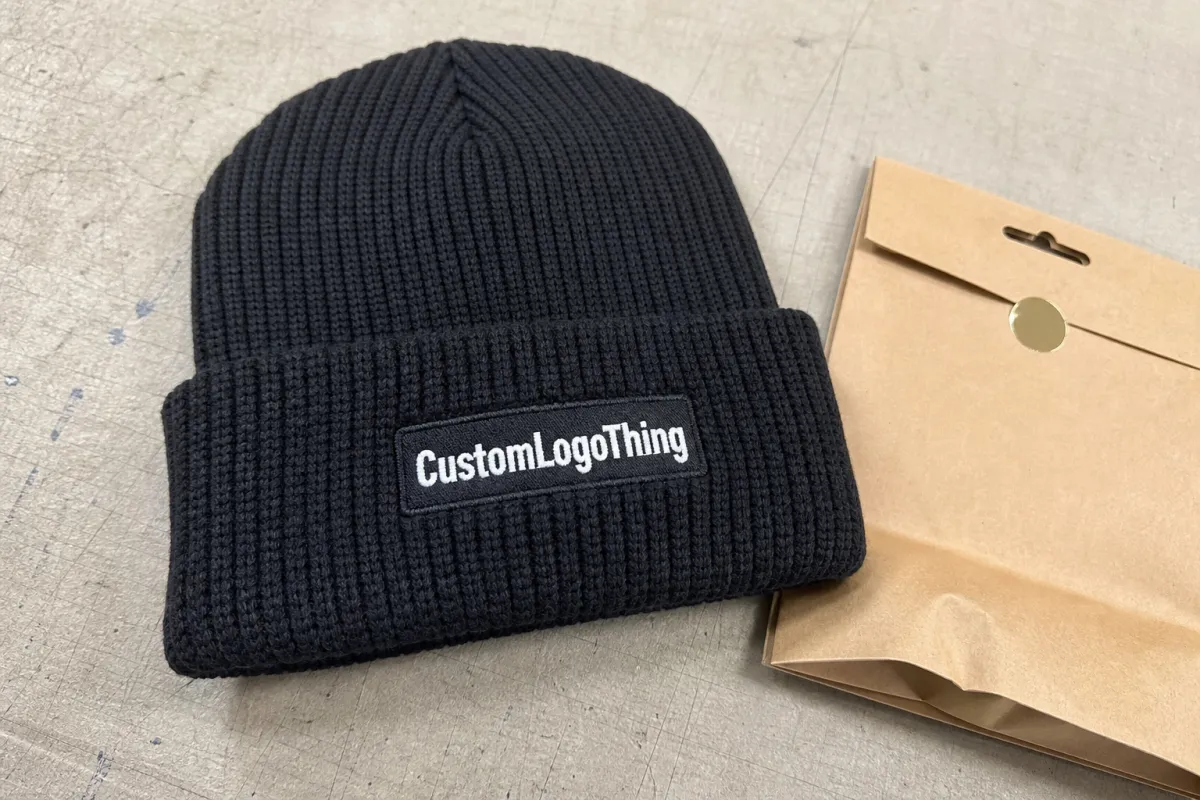
The blank beanie itself is not where most margins get burned. In tea ribbed winter beanies Bulk Order Planning, the quote usually moves because of rib tension, color matching, logo placement, setup labor, and packaging. A supplier can give you a neat unit price that looks fine on paper, then add embroidery setup, special folding, polybags, and carton marking until the landed number looks much less charming.
Tea shades need a physical reference, not a vague screen grab. A color that reads warm and clean on one monitor can look dusty under store LEDs and slightly green in daylight. Dye lots do that. Fabric texture does that too. If the buyer cares about a specific tea tone, ask for a swatch, a lab dip, or a production reference before anyone calls the color final.
That is why the buying frame matters early. Bulk planning is about consistency, repeatability, and landed cost. Whether the run is for retail, staff kits, event giveaways, or seasonal promo stock, the question is the same: can the supplier make the same beanie, in the same tea shade, with the same decoration, at the same cost, more than once?
Most teams waste time by asking for a quote before they have answered those three things. That is backward. A better order starts with quantity, color, decoration, and packing method. Then the supplier can quote something real instead of a guess with a logo attached.
Fit, rib depth, and tea color: what buyers approve first
Rib structure changes the whole read of the product. A tighter rib holds shape better, sits cleaner at the cuff, and usually looks more retail-ready. A looser rib feels softer and more relaxed, which can work for fashion programs but often looks sloppy on corporate orders. If the beanie needs to look tidy in a display tray or a gift box, tighter ribbing usually wins.
Cuff depth and crown height
Cuff depth is not a small detail. It controls where the logo lands, how much visible knit space sits above the fold, and how the beanie reads when worn low or pulled up. A deeper cuff gives more decoration space and more structure. A shorter cuff looks lighter, but the logo can end up awkwardly close to the wearer's eyes once the beanie is on.
Crown height matters too. A taller crown creates a fuller profile and more slouch potential. A shorter crown gives a compact fit that works better for broad distribution and gift programs. For tea Ribbed Winter Beanies Bulk Order planning, the safest move is to approve the fit on the intended head type before you approve the decoration placement. A great logo on the wrong shape still looks wrong.
Size range and stretch recovery deserve more attention than they usually get. Many ribbed beanies stretch into a comfortable adult range, but the recovery can vary wildly. If the knit bags out after one day, the product starts looking cheap no matter how clean the embroidery is. Ask for the circumference, the relaxed width, and the stretched range in writing. If the supplier cannot state those numbers, they are not actually controlling the spec.
Specs to lock before you request samples or artwork proof
For tea ribbed winter Beanies Bulk Order Planning, the spec sheet should leave very little room for interpretation. The quote gets tighter when the supplier knows the yarn content, knit gauge, weight, body length, cuff height, and acceptable tolerance. Loose specs create loose pricing. That sounds obvious because it is.
- Yarn content: acrylic, acrylic/wool blend, or recycled yarn blend if the brand needs a sustainability story.
- Knit gauge: finer gauges look cleaner; chunkier ribs feel heavier and more casual.
- Beanie weight: common bulk runs sit around 80-150 g, depending on warmth and drape.
- Cuff height: usually around 2.5-4 inches, depending on logo size and fold style.
- Body length: enough to cover the ears without turning into a droopy sock.
- Tolerance: define what counts as acceptable so one odd run does not become a fight later.
Decoration choice changes the whole order. Embroidery is still the workhorse because it is durable and looks clean on rib knit. Woven labels are lighter and often better for minimalist branding. Patches add texture and cover a larger mark, but they also add thickness and sometimes a more casual feel. Silicone badges are bold and modern, though they can feel heavy on a soft knit. Custom tags and belly bands help with retail presentation, but they are not decoration in the strict sense. They are packaging that needs to be priced and packed like packaging.
Packaging deserves its own decision, not a side comment buried in an email thread. Individual polybags protect the beanies during transport and warehouse handling. Hangtags support retail pricing and SKU control. Barcode labels save time at receiving. Carton pack counts matter if the destination is a warehouse that wants fixed case quantities. If you are adding paper inserts or tags, FSC-certified stock is a sensible standard; for shipping cartons that will travel hard, ask whether the pack plan aligns with ISTA testing language from ISTA and keep the process honest. For paper materials, FSC is the clean reference point when sustainability claims matter.
One practical rule: lock decoration and packaging before sample approval, not after. If the sample gets approved with a woven label and the bulk order later switches to embroidery plus a hangtag, you are not "making a small change." You are starting a new spec, and the calendar will treat it that way.
Cost, pricing, MOQ, and unit cost: where margin changes
Price breaks are real, but only when the spec stays still. In tea ribbed winter beanies bulk order planning, the actual cost stack usually looks like this: base product, decoration setup, sample fee, packaging, freight, and duty. Buyers fixate on the factory unit cost because it is easy to compare. That is usually the wrong number to obsess over. The landed number is the one that pays the bill.
| Option | Typical unit price at 1,000 pcs | Setup / lead time | Best fit |
|---|---|---|---|
| 3D or flat embroidery on cuff | $1.90-$3.40 | $35-$75 setup; 12-18 business days after approval | Classic corporate, retail basics, repeat programs |
| Woven label with sewn application | $1.65-$2.90 | $40-$90 setup; 10-16 business days after approval | Minimal branding, lighter hand feel |
| Silicone or rubber badge | $2.10-$4.10 | $60-$120 setup; 15-22 business days after approval | Modern retail look, higher visual contrast |
| Custom tag + retail packing | $1.75-$3.60 | $25-$80 setup; 10-14 business days after approval | Private label, gift sets, shelf-ready inventory |
Those ranges move with stitch count, color coverage, yarn blend, and packout. A simple one-color embroidery job is much easier to scale than multiple tea-tone variations with custom labels and barcode stickers. Once you add more colors, more SKUs, or more packing instructions, the MOQ usually climbs. Many factories can talk about 300-500 pieces for a straightforward single-color run, but 500-1,000 pieces per color or per decoration set is more realistic when the order gets layered.
That is where margin changes. A larger run usually lowers the unit price, but only if the spec stays stable. Change the yarn mix, add a new logo version, swap from a woven label to embroidery, or adjust the carton count, and the savings can vanish in a hurry. Small orders are the most sensitive to these changes because setup cost gets spread across fewer units. Big orders absorb more of that cost, which is why buyers should not celebrate a low quote until they see the packaging and freight lines.
Shipping mode matters too. Air freight can rescue a deadline, but it can also crush margin on a low-value accessory. Ocean freight is slower and usually better for larger seasonal buys, but it only makes sense when the planning window is honest. If the beanies are tied to a launch date, build the freight decision into the quote from the start instead of treating it like an afterthought.
Process and timeline: sample, approval, production, and ship
The order flow should be simple enough to follow without a whiteboard. Inquiry, spec review, quote, sample or digital proof, buyer approval, bulk production, inspection, packing, and shipment. That is the path. When somebody skips a step, that is usually the step they later complain about.
A sane schedule for tea ribbed winter beanies bulk order planning is not fantasy-driven. A digital proof can come back in 1-3 business days if the logo file is clean. A physical sample or pre-production sample may take 5-10 business days, sometimes longer if the yarn or decoration method needs a separate run. Bulk production often runs 12-20 business days after approval for a straightforward order, with packing adding a few more days if the packaging is custom. Peak season stretches all of that. It always does.
Fast approvals matter more than rushed emails. If the artwork sits for three days waiting for a logo signoff, the schedule slips more than a factory email thread ever will. Late color changes are worse. They can trigger a new sample, a new approval cycle, and a new production slot. That is how a "quick order" becomes a reschedule.
Inspection should be part of the plan, not an optional extra for nervous people. A basic visual check on stitching, label placement, color consistency, and packaging count catches most of the avoidable problems. For long-haul shipping, carton strength and compression resistance matter too. That is where ISTA language is useful, because boxes do not care that the order was urgent. They get crushed the same way.
Short version: the calendar is usually broken by slow approvals, not by the factory.
What usually pushes the date
Late artwork, unclear tea color references, packaging changes after proof approval, and seasonal capacity are the usual troublemakers. None of those are mysterious. They are just the cost of sending incomplete information and hoping the factory fills in the blanks with mind reading.
Why direct factory sourcing beats brokered beanie buys
Direct manufacturing keeps the conversation in one place. That matters more than people admit. When the spec, the color approval, and the packaging update all live with the same producer, there are fewer translation errors and fewer surprise markups. Brokered buys can work for standard stock, but they get weaker the moment the order needs a custom tea shade, a precise cuff, or a retail-ready packout.
The repeat-order benefit is real. Once the rib structure, tea shade, decoration file, and carton plan are locked, reorders move faster because the factory already has the baseline. That matters for seasonal programs, because the second run should not need the same education as the first. If the first order was built well, the next one becomes a re-run instead of a new problem.
The downside of middlemen is pretty predictable. More handoffs usually mean slower answers, less detail about materials, and less room to negotiate on packaging or freight planning. A broker may be fine at quoting a number. They are less useful when the buyer wants the embroidery shifted 8 mm, the label swapped, and the case pack reduced without blowing up the schedule.
If your team buys branded basics often, a direct relationship also makes it easier to standardize specs across other programs. That is why our Wholesale Programs page exists: repeatable products are cheaper to manage than one-off hero orders that have to be rebuilt from scratch every season.
Next steps to finalize your order without slowing the schedule
If you want the quote to be useful, send the order inputs in one clean package. Target quantity, tea color reference, logo file, preferred decoration method, packaging request, delivery zip code, and the date the stock actually needs to be in hand. Not the date you hope to place the order. The date you need it delivered. Those are not the same thing, and pretending otherwise is a favorite way to miss a launch.
- Send the quantity split by color or channel.
- Attach a physical or photographed tea reference, if you have one.
- Include logo artwork in vector format when possible.
- State the decoration method and placement.
- List packaging needs: polybag, tag, barcode, case pack.
- Share the ship-to location and deadline.
Ask for three things together: the quote, the sample path, and the production schedule. Separating them wastes time and usually creates avoidable back-and-forth. If a supplier can only answer one piece at a time, you are not getting a real plan. You are getting fragments.
If you need help sorting out the common potholes, our FAQ covers the usual file questions, sampling questions, and order basics. The cleaner the first brief, the fewer rounds you need. That is true for private label runs, team kits, and seasonal promo stock alike. Tea ribbed winter beanies bulk order planning works best when the buyer sends a concrete spec and the supplier answers with concrete numbers. Anything less is just decorative noise.
How do I plan a tea ribbed winter beanies bulk order without overbuying?
Start with a realistic split by color, channel, and use case instead of ordering one giant pool and hoping it fits every need. Use the first run to test demand, then reorder the winning spec rather than guessing bigger on day one.
What drives tea ribbed winter beanies bulk pricing the most?
Decoration method, number of colors, packaging choices, and MOQ usually move price more than the beanie shell itself. Shipping mode and destination matter too, because a cheap factory price can turn into a mediocre landed cost very quickly.
How long does production usually take after sample approval?
Most timelines are driven by material availability, decoration complexity, and the speed of buyer feedback. Straightforward bulk runs often need 12-20 business days after approval, while packaging changes or peak-season demand can push that out.
Can I mix tea and other colors in one MOQ?
Usually yes, but the MOQ may apply per color or rise when you add multiple yarn dyes, labels, or packaging variations. If the budget is tight, keep one core tea shade for the bulk and add small secondary runs only where they matter.
What should I send to get an accurate quote for tea ribbed winter beanies?
Send the target quantity, preferred yarn, logo file, decoration method, packaging request, and delivery destination. If you have a reference sample or swatch, include that too; it removes guesswork and usually shortens the quoting cycle.

