The first mistake in a toy trucker caps Unit Cost Review is usually a simple one: buyers compare a cap price before they compare the total order. That works until decoration, packaging, freight, and rework show up. A quote that looks inexpensive on the line can become the most expensive option once the missing pieces are added back in.
For toy brands, gift retailers, and promo buyers, the useful number is landed cost per piece. That means the cap, the decoration, the packing format, and the shipment all have to be judged together. If the spec sheet is loose, the price will be loose too. A clean comparison starts by making every supplier quote the same product, not a similar one.
On small runs, price behavior can feel backward. A plain trucker cap might be inexpensive, while the setup for embroidery, patch work, or custom labeling costs more than the blank itself. That is why a serious buyer treats the unit-cost review as a packaging and production exercise, not just a price hunt.
Why Tiny Price Gaps Change the Whole Cap Order
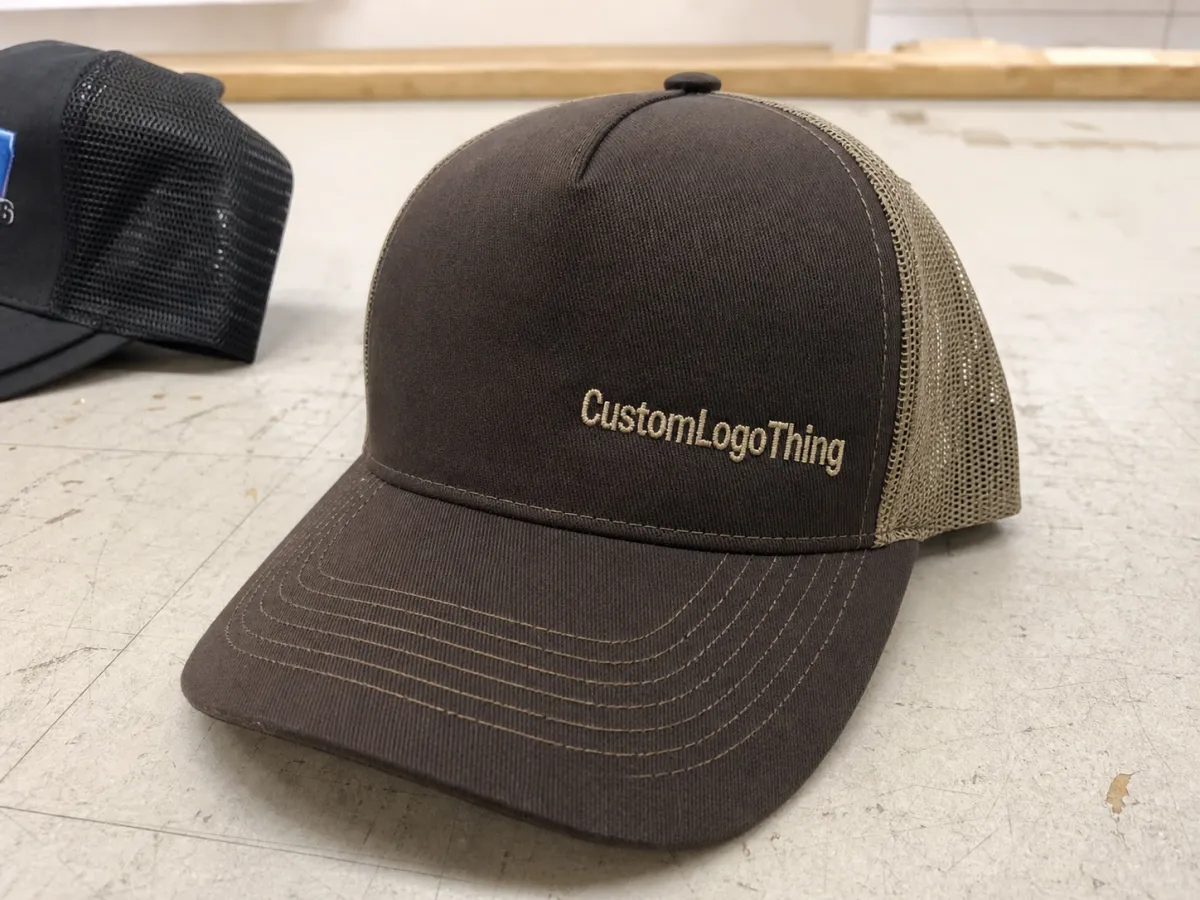
Short-run cap orders often hide their real cost in places that look minor. A youth foam-front cap, a structured twill front, and a miniature novelty version may all seem close enough to quote together, yet each one changes labor time, waste rate, and approval risk. The factory may not say that directly, but the numbers usually show it.
The full landed stack normally includes the blank cap, decoration labor, setup or digitizing, labeling, carton packing, freight, and any split-shipment or storage fee. Miss one of those items and the quote loses meaning. Buyers who ask for itemized lines usually get a better view of value because the illusion of a low price disappears quickly.
Here is a practical way to read the difference. If one supplier is 12 percent lower on unit price but adds 18 percent more on freight and carton packing, the order is not cheaper. It is just cheaper in one column. That is how many cap purchases go off track.
A low cap price is useful only if it survives packaging, freight, and the final carton count.
For that reason, the best comparison is not a quote summary. It is a spec match. Ask every vendor to show the same blank material, same decoration method, same pack format, same delivery point, and same delivery timeline. Once that happens, the differences become real instead of cosmetic.
What Defines a Toy Trucker Cap for Retail or Promo Use
A toy trucker cap is not one fixed product. Buyers usually mean a youth cap for retail, a miniature novelty cap, a branded promotional giveaway, or a display item tied to toy packaging. Those use cases do not share the same structure, and they should not be priced as if they do.
The base build matters more than many buyers expect. A standard trucker style often uses a structured front panel, polyester mesh at the back, a curved visor, and an adjustable closure. Foam-front versions can create stronger shelf impact, but they also raise decoration difficulty because the front panel behaves differently under heat and stitch pressure. Mesh density, visor stiffness, and sweatband quality all affect the hand feel and the return rate.
For cost planning, size is the first spec to lock. Youth caps usually need a different crown and closure range than miniature promotional pieces. If the buyer does not define crown height, panel count, brim curve, and fit range, the factory has to guess. That is where rework starts.
Decoration options shift both price and appearance. Most buyers compare a few common paths:
- Embroidery for a stitched retail look and stronger perceived value.
- Woven patch for clean detail and a more premium badge effect.
- Printed patch for smaller graphics or artwork with more color complexity.
- Heat transfer for flatter artwork and tighter budget control.
- Woven label combinations for lighter branding without heavy stitching.
A retail buyer also needs to think about presentation. A cleaner front panel, sharper patch edge, and better closure hardware can justify a higher unit cost if the caps will sit near checkout or in a branded display. A cap is not only fabric and thread. It is shelf presence. That matters more in gift and toy channels than in buyers sometimes admit.
Fit, Decoration, and Packaging Specs Buyers Should Lock
If the spec sheet is vague, the quote will be vague. Start with fit: crown height, panel count, brim curve, closure range, and whether the item is youth-sized or miniature. A small change in crown depth can alter the sewing template and the sample approval cycle, which then changes the cost per piece.
Decoration limits should be written before quoting. Define the stitch count if embroidery is involved, the patch diameter if a badge is used, the print area for a transfer, and whether Pantone matching is required. If a buyer wants three thread colors instead of six, that often saves more than shaving a few cents off the blank. It also keeps the production run steadier.
Packaging deserves the same discipline. Will the order ship in an individual polybag, a hang-tagged retail pack, or a carton with barcode labels? Does the buyer need an insert card, a warning label, or a fold-flat presentation? Packaging can quietly push setup charges higher, especially when a supplier has to print, label, collate, and carton-pack to retail standards.
For buyers who resell into retail, keep one signed-off sample for color, stitch position, and patch placement. That gives the factory a reference point on reorder. Without it, a cap can still be "close enough" while drifting just enough to create complaints.
There is also a compliance layer. If the cap is intended for children or sold through channels with stricter documentation, ask for testing support early. Some buyers need transit performance checks, some need material traceability, and others need basic fiber or labeling support. If the item will be shipped in outer cartons for long distances, an ISTA-style shipping check can help prevent crushed boxes and broken pack patterns. References from ISTA and FSC are useful because they turn vague quality talk into known standards.
Locking these details before quoting is not bureaucracy. It is the fastest way to avoid a second sample round, a reprint, or a margin loss caused by a missing label or the wrong fold.
Toy Trucker Caps Unit Cost Review: What Actually Moves the Price
A serious Toy Trucker Caps unit cost review starts by splitting the quote into four layers: cap blank, decoration labor, setup, and packaging plus freight. That structure makes it easier to see where the money is going and where the buyer can negotiate without damaging the product.
MOQ changes the picture fast. At 100 to 300 pieces, the factory spreads setup across a small base, so the unit cost stays high. At 500 pieces and above, the economics usually improve because the same embroidery file, patch tooling, or print setup gets absorbed across a larger run. The cost drop is not linear, but it is real.
For standard polyester mesh trucker caps, a blank might land around $0.65-$1.40 ex-works depending on fabric weight, foam use, and closure type. Once decoration and packing are added, decorated versions can move into the $1.25-$3.80 range before freight. Heavier patch work, specialty labels, or premium inner packing can push it higher. Those numbers are not a quote; they are a reality check.
| Decoration method | Typical added cost per piece | Setup charges | Best fit |
|---|---|---|---|
| Heat transfer | $0.18-$0.35 | Low to moderate | Flat artwork, tighter budgets, simple branding |
| Printed patch | $0.22-$0.45 | Moderate | Small graphics, multiple colors, clean shelf look |
| Woven patch | $0.30-$0.60 | Moderate to high | Sharper detail, more premium retail presentation |
| Embroidery | $0.35-$0.85 | Digitizing plus machine setup | Durable branding and a more tactile finish |
The cheapest way to lower cost is usually not to weaken the cap body. It is to simplify the decoration. Reduce thread colors, choose one artwork version, and keep packaging standard. A single approved logo placement often saves more than haggling over the blank by a few cents. If the cap is going into a toy aisle or a checkout display, simpler artwork can also speed approval.
Buyers should watch for hidden charges. Samples may be free, partly free, or fully chargeable depending on the factory. Tooling fees can appear for special patches or custom labels. Rush orders add a premium. If the order ships in multiple drops, split-shipment fees can stack quickly. None of those are rare.
One useful tactic is to ask for two quotes: one with the exact retail spec, another with a simpler packaging option or one less decoration step. That side-by-side view shows where the spend is really going. If better packaging adds $0.12 per unit but improves shelf presentation enough to raise sell-through, the upgrade is sensible. If it adds 18 percent to freight, the answer changes.
That is the point of the toy trucker Caps Unit Cost review. The question is not, "What is the cheapest cap?" The better question is, "What spec gives me the best delivered value for this channel?"
Production Steps and Turnaround From Proof to Ship
The production calendar usually follows the same path: spec confirmation, artwork proof, sample or mockup, approval, production, inspection, packing, and shipment. That sounds tidy. It rarely is. Every revision adds time, and a supplier that gives milestone dates is more useful than one that gives a vague ETA.
For a simple run, proof approval to shipment can take 12-15 business days if materials are in stock and the artwork is clean. If the order needs a new patch, a custom label, or special carton packing, the timeline stretches. Add one revision cycle and another week can disappear quickly.
Delay triggers are predictable. Artwork revisions are the most common. Color matching comes next, especially when the buyer wants a Pantone target and the factory is working from existing thread or patch stock. Material substitutions can also derail the schedule if the original mesh or closure is unavailable. Customs paperwork can add friction too, and it is never the place to improvise.
A useful production schedule looks like this:
- Approve artwork and spec by a fixed date.
- Sign off on the sample or digital mockup within a defined window.
- Confirm production start once materials are booked.
- Review an inline inspection photo or status update before packing.
- Confirm carton close, ship date, and freight method.
This approach helps the buyer manage launch risk. If one step slips, the issue is visible early enough to fix. That matters more than buyers admit, especially when retail delivery windows are tied to seasonal displays or a promotional calendar.
Production control also changes cost indirectly. When a supplier has to stop and restart a line because the artwork was unclear, labor gets wasted. When the buyer sends complete files up front, the factory spends less time on rework and more time on output. That is one reason strong buyers often get better pricing on the next order: they are easier to run.
Freight deserves the same attention. A cap order packed in neat inner boxes can move more efficiently than loose bulk pack, which wastes carton volume. Small packaging choices can change the landed number more than buyers expect, especially on air shipments.
Factory Checks That Protect Repeat Orders and Reorders
Repeat orders live or die on consistency. The first thing to ask about is sample retention. A disciplined factory keeps a reference sample, the spec sheet, and the approved artwork file so the next run does not drift. If those records are weak, the reorder may look fine on paper but change in small ways: thread sheen, patch size, stitch density, carton count.
In-line inspection is as useful as final inspection, sometimes more so. It catches a bad batch while there is still time to correct it. Final carton checks confirm count, labeling, and pack pattern. Defect thresholds should be documented, even if they are simple. Buyers do not need a novel; they need a clear rule for what is acceptable and what is not.
Material control matters too. Mesh weight, front-panel stiffness, and closure type should be checked against the approved sample. On foam-front styles, the foam thickness and recovery after packing are worth checking because crushed fronts show up fast in retail. On mesh-back versions, the elastic behavior of the back panel and the finish of the sweatband can affect comfort and returns.
Communication speed is another quality marker. So is proof clarity. A factory that answers slowly on a spec question often moves slowly when there is a production issue. Buyers comparing suppliers should not only ask about unit cost. They should ask how fast a problem gets flagged and how the last run is archived. That question saves money later.
Consistency across batches matters more than many purchasing teams admit. If the mesh shade shifts, the cap no longer matches the display sample. If the carton pack changes, fulfillment gets messy. If the closure type changes, consumers notice. A slightly higher quote can be cheaper than a low quote that creates rework and complaints.
When higher control is needed, ask whether the supplier can support testing or documentation for the channel. Some buyers need transit data, some need material traceability, and others only need an inspection report. If the caps are going into child-facing channels, those questions should be answered before the PO is issued.
That is where a disciplined toy trucker caps Unit Cost Review pays off in real dollars. The most expensive supplier is not always the one with the highest quote. It is the one that causes rework, delayed shipment, or a repeat sample because the first run did not match the approved reference.
What to Send Before You Request a Quote
Buyers get better pricing when they send a complete brief. The essentials are quantity, cap style, decoration method, packaging, destination, and required delivery date. If any of those are missing, the quote will usually be padded to protect the factory from uncertainty. That is normal, but it is not ideal for budget control.
An itemized quote is non-negotiable if you want to compare suppliers honestly. Ask for unit price, setup charges, sample cost, packaging cost, and freight separately. If a supplier only sends a single all-in number, it is hard to know whether the margin sits in the blank cap, the patch, the freight, or the handling line. Clear lines make bulk pricing comparisons useful instead of decorative.
Artwork files matter as much as the brief. Send vector art, logo placement notes, and a reference image or sample if possible. That reduces revision rounds, limits the chance of a misread patch size, and cuts avoidable setup fees. A crisp brief often saves more than a round of haggling.
If you are buying across multiple colors, state whether the MOQ applies per color, per artwork, or per size. That single line can change the whole order structure. A quote that looks attractive at the total quantity may become expensive once the supplier allocates the run by variant. Variant-level pricing is where many orders get misread.
For branded merchandise buyers, the most useful next step is a spec-based estimate instead of a generic price list. A tight toy trucker caps Unit Cost Review starts with the right inputs, then ends with a quote that matches the order you actually plan to place.
What changes toy trucker cap unit cost the most?
Decoration method usually has the biggest impact, especially when moving from a simple label to embroidery or a multi-piece patch. Order size matters too, because setup is spread across more units at higher MOQ tiers. Packaging and freight can change the landed price more than buyers expect, so compare total delivered cost, not just the factory number.
What MOQ should I expect for custom toy trucker caps?
Many factories will quote lower at 100 to 300 pieces, but the better unit pricing often starts to improve at 500 pieces or more. More complex decoration or special packaging can raise the minimum because setup time is higher. Ask whether the MOQ applies per color, per artwork, or per size so the quote is not misunderstood.
How long does production usually take after approval?
Simple runs can move faster, but proof approval, material sourcing, and packing usually create the real schedule. Custom decoration and retail packaging add time, especially if the buyer requests revisions or color matching. A supplier should be able to give milestone dates for approval, production, inspection, and shipping.
Can I lower toy trucker cap pricing without lowering quality?
Yes. Standardize the blank, reduce decoration complexity, and keep packaging simple but presentable. Higher quantities usually improve the unit rate more reliably than cutting corners on construction. The best savings usually come from a cleaner spec sheet, not from thinner materials or weaker stitching.
What should be included in a quote request for toy trucker caps?
Include quantity, size, color count, decoration method, packaging, and destination so the supplier can price accurately. Attach artwork files or reference images to reduce revision cycles and prevent avoidable setup charges. Ask for an itemized quote so you can compare unit price, sample cost, and freight on equal terms.

