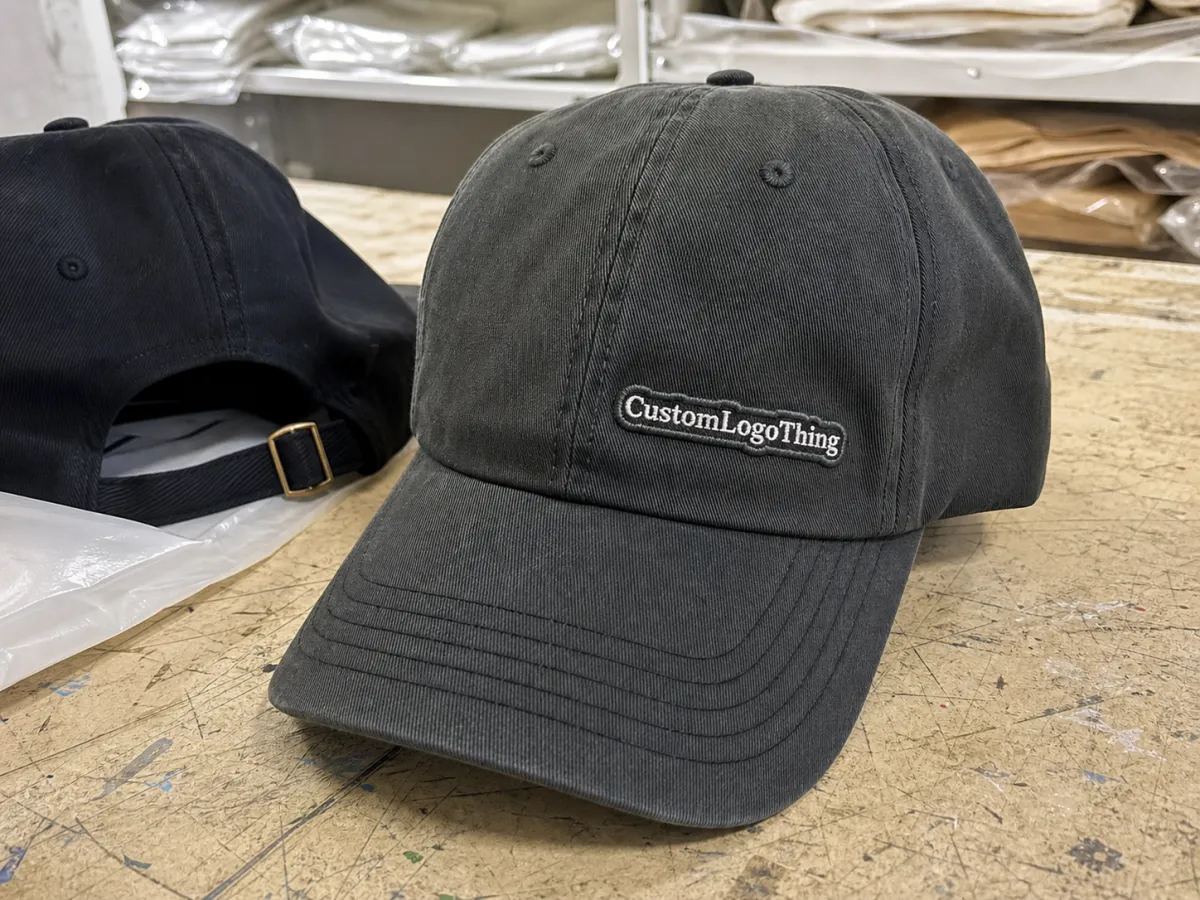
A trade show Embroidered Baseball Caps bulk order plan starts with decisions that look small in a spreadsheet and become obvious under convention lighting. For trade show Embroidered Baseball Caps Bulk Order planning, the blank cap, crown shape, logo size, and delivery window matter more than most buyers expect, because those details decide whether the caps look polished on the floor or crowded and cheap.
Trade show embroidered baseball caps bulk order planning: what buyers miss first
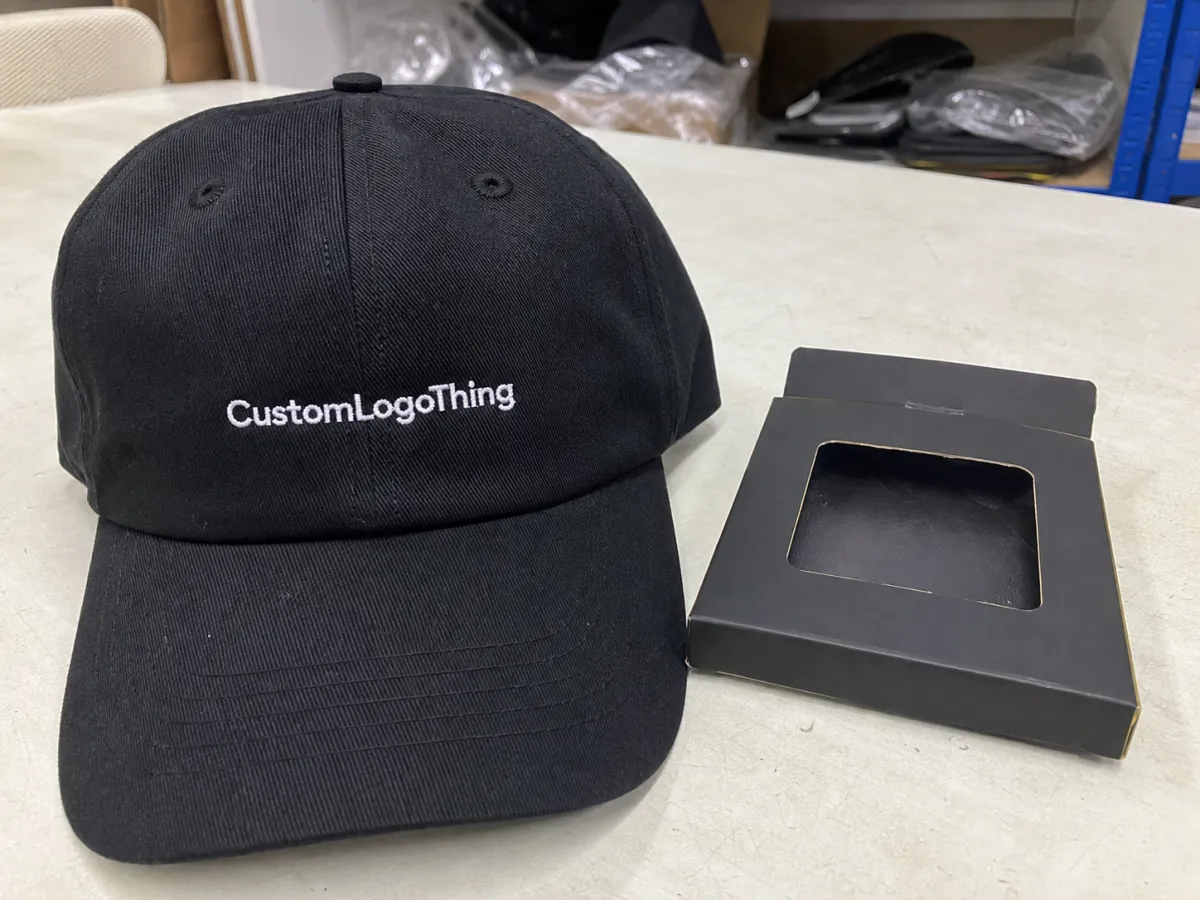
The first mistake is treating a cap like a simple giveaway. It is usually a working piece of booth apparel, worn for eight to ten hours a day, photographed from across the aisle, and packed back into a suitcase or carton when the show ends. That is why trade show Embroidered Baseball Caps bulk order planning should begin with the cap body itself, not with the artwork. A flat, inexpensive blank can make a clean logo look cramped, while a better-formed crown gives the mark room to breathe.
Who is wearing the caps matters just as much. Staff uniforms need comfort, repeat wear, and a fit that works across different head sizes. VIP gifts can support a little more style, but the logo still has to read cleanly from 6 to 10 feet away. General booth traffic giveaways usually need a simpler mark, lighter construction, and a price point that still leaves room for freight and overage. The order of operations is predictable: define the wearer, define the viewing distance, then define the decoration.
Planning should also begin with two clocks running at once: the event date and the approval date. Embroidery setup, proof review, blank stock confirmation, and shipping all sit in that chain. If the proof is delayed two days and the cartons miss a receiving window, the sewing line can be perfect and the order still arrives late. Buyers who work backward from the show floor usually avoid the expensive surprises.
One more early decision is whether the caps are part of a broader uniform system or a standalone promo item. If the same staff will wear polos, jackets, or bags with the same logo, the cap should match the tone of the rest of the kit. A strong logo can still look off if the thread sheen, cap finish, or silhouette clashes with the other pieces. The cap does not have to carry the whole brand story, but it should not fight it either.
If the logo is readable from the aisle and the cap still feels good after a full booth shift, the order is doing its job.
Choosing the right cap body, crown, and closure for your booth team
Structured caps are usually the safest choice for a trade show team. The firm front panel holds embroidery better, which helps the logo keep its shape instead of following the contour of a soft crown. Unstructured caps have their place, especially for a relaxed brand look or a younger audience, but they can let a large front logo dip or wrinkle when the wearer moves. For staff uniforms, a structured, mid-profile cap is usually the most forgiving option.
Profile changes the look more than many buyers expect. A low-profile cap sits closer to the head and feels understated. A mid-profile cap gives the embroidery a better stage and tends to suit most trade show environments. High-profile builds create a bigger visual presence, which can help on a crowded floor, though they can look overly promotional if the decoration is oversized. Bill shape matters too: a pre-curved bill feels ready to wear, while a flat bill delivers a sharper, more modern style. Neither is universally better.
Closure style is where function and fit meet. Snapback, strapback, hook-and-loop, and fitted styles each solve a different problem. If one order has to cover a mixed team, adjustable closures are the practical answer because they reduce fit issues and exchanges. Fitted caps can look cleaner, but they require tighter size planning and usually work best when the head count and size range are known well in advance. For traveling crews, adjustability is often worth the small style tradeoff.
Fabric and comfort details deserve real attention. Cotton twill is common because it sews well and feels familiar. Washed cotton gives a softer hand and a more casual finish. Performance blends can help if the booth team is under bright lights, moving between halls, or wearing the cap through long shifts in warmer conditions. A good sweatband, decent interior taping, and a crown that does not pinch after hour six can matter more than a flashy design.
Color choice should be treated as a production decision, not only a branding one. Dark caps hide wear and handling marks better, which helps if the order will be reused for multiple shows. Light caps photograph well and can feel cleaner in a busy booth, but they show oil, dust, and packing scuffs faster. If the team will be pulling caps on and off all day, medium tones often age better than pure black or bright white.
Embroidery specs that keep logos readable up close
Good embroidery starts with digitizing. That is the step where artwork gets translated into stitch paths, push points, underlay, and density settings that a sewing machine can follow. A logo that looks clean on a screen can still sew badly if the digitizing is rushed. Thin outlines, tiny type, and tightly packed icon details often need simplification. In practice, embroidery is less forgiving than print, so a design that works at two inches wide may need to be redrawn at one and a half inches for the cap front.
Stitch count is a practical budget issue and a quality issue. More stitches usually mean more thread movement, more machine time, and a higher price. They also make small shapes heavier and can cause bunching on softer caps. For most trade show front logos, a strong satin stitch on lettering and a fill stitch on larger areas works well. Tiny text below about 0.20 inch in height often becomes hard to read, especially once the cap is worn and viewed from a few steps away.
Thread color should contrast with the cap color whenever the brand allows it. High contrast improves legibility under trade show lighting, which can be harsher than buyers realize. If the brand palette is subtle, the logo may need a bolder outline or a slightly larger footprint. Placement matters too: center-front is the most common choice, but side embroidery can work for a secondary mark, sponsor name, or event slogan. Back embroidery is useful when staff need branding visible from behind.
There is also a choice between flat embroidery and 3D puff. Puff gives the mark height and presence, but it is not right for every logo. Fine details disappear quickly in puff, and curved cap surfaces can make the effect inconsistent if the artwork is too busy. Flat embroidery is more versatile and usually safer for mixed-use trade show programs. When a logo has sharp corners, thin lines, or a small tagline, flat stitching is usually the better call.
For reference, a simple one-color logo on a structured cap is easier to control than a multicolor mark with gradients or overlapping type. Gradients do not translate directly into thread. If the design depends on subtle shading, the buyer usually needs a simplified stitch version that preserves the shape rather than the full screen-art effect. The best embroidery proofs tend to show restraint: enough detail to be recognizable, not so much that the stitch plan fights the cap.
Spec sheets should also call out thread type and backing assumptions. Polyester thread is the common workhorse because it handles wear, color, and washing better than many alternatives. Backing helps stabilize the front panel and can reduce puckering, especially on softer fabrics. If the cap body is unusually light or stretchy, asking for a more stable backing is often the difference between a crisp logo and a rippled one.
For buyers who want a basic shipping benchmark, the logic used in ISTA testing is a useful reference point. A cap order is not fragile electronics, but it still benefits from cartons that survive stacking, transfer, and dock handling without crushed visors or damp corners.
Pricing, MOQ, and unit-cost drivers for bulk cap orders
Price is shaped by a handful of concrete inputs: the blank cap cost, stitch count, number of embroidery colors, decoration locations, digitizing, and any setup work tied to the art. For a simple one-location logo on a standard structured cap, a bulk order may land around $4.25 to $8.50 per unit at medium volumes, while smaller runs can sit closer to $6.50 to $12.00 per unit depending on the cap body and freight. If the design has multiple colors, dense fills, or a second embroidery location, the number rises quickly. Buyers often miss how much a premium blank can cost before a single stitch is sewn.
MOQ is not random. It often follows blank inventory, decoration efficiency, and the way a factory schedules machine time. Stock decorator caps can sometimes begin at 24 or 48 units, while more specialized profiles may start at 100 to 144. If you want a custom color body, contrast underbill, or a special closure, the minimum can climb to 250 or more. That is normal, because the supplier has to justify bringing in a specific blank and allocating production time to a narrower SKU.
| Cap option | Typical bulk blank cost | Embroidery impact | Best use |
|---|---|---|---|
| Structured cotton twill, mid-profile | $2.10-$3.50 | Clean front panel, moderate stitch count | Staff uniforms and booth teams |
| Unstructured washed cotton | $2.40-$4.20 | Soft crown can shift large logos | Casual merch and relaxed branding |
| Performance blend, snapback | $3.20-$5.80 | Sharper logo stage, often higher blank cost | Travel crews and long wear under lights |
| Fitted premium cap | $4.50-$7.50 | Best if sizes are known early | VIP gifts or premium staff kits |
Hidden cost items are worth asking about before a quote gets too far along. Sample fees, rush charges, carton labeling, split shipments, and freight to a convention center can move the final total more than the embroidery itself. If you compare suppliers, ask for the same quantity breakpoints each time: 50, 100, 250, 500, and 1,000 pieces are common checkpoints. That makes it easier to see where unit cost starts to improve and where the order should stop.
It also helps to ask whether the quote assumes one decoration setup or multiple setups. A single logo placed identically across the order is cheaper than the same cap split into staff, management, and VIP versions. Mixing blanks, colors, or logo placements can be done, but each variation adds friction. The buyer should know whether the quoted price covers one production run or several smaller runs disguised as one order.
Production steps, proof approval, and turnaround windows
A clean order usually follows a simple path. Artwork comes in, the cap style and quantity are confirmed, the logo is digitized, a proof is issued, details are approved, production is scheduled, and the order ships. Every one of those steps can move smoothly if the buyer sends clear information. The weak point is usually artwork cleanup. A low-resolution logo, an RGB color reference, or a file with tiny text often adds a day or two before the proof even arrives.
Proof approval is where schedules are won or lost. If the buyer changes thread colors after the proof is issued, or asks for a larger logo after the stitch map has been built, the order may need another round of setup. That is not a problem when time is available, but it becomes a real issue when the event is close. A good supplier will show placement, thread colors, cap color, and sometimes approximate thread density so the buyer can catch issues early.
Realistic turnaround should be separated into three pieces: proofing time, sewing time, and freight time. Clean art might move through proofing in 1 to 2 business days. Embroidery on a moderate bulk order, say 250 to 500 caps, may take 5 to 10 business days after approval, depending on machine capacity and detail. Domestic ground freight often adds 2 to 5 business days. That means a fast sewing run still misses the show if the shipping window is not built into the schedule.
Rush orders can work, but they are not magic. They depend on blank stock, decoration complexity, the number of colors in the logo, and the delivery lane. If the order needs special sourcing, a second decoration location, or a convention center receiving address with strict rules, rush space can disappear fast. Buyers should ask early whether a supplier can support expedited production and what the actual cutoff is for same-week approvals.
A realistic schedule also leaves room for a reproof if the artwork needs cleanup. If the supplier is working from an old file or a raster image, the first proof may not be the last proof. That extra round is usually where people lose time. A buyer who sends vector art, a clean Pantone or comparable color reference, and the final cap color usually avoids that loop.
Packaging, labeling, and shipping details that prevent show-week surprises
The packing method should match the receiving plan. Individual polybags are useful when caps will be handed out separately, stored for later use, or packed into gift kits. Bulk cartons are better when the booth crew wants faster receiving and lower packaging waste. Sorted cartons by color, team, or size save time during setup, but they need clear labeling and a predictable count. A supplier that ships 20 caps loose in each box may save a few cents, yet cost your team far more in booth setup time.
The destination is just as important as the production date. A cap order sent to a convention center often needs the exact booth name, event name, dock instructions, and receiving hours. Some shows require advance freight paperwork, while others redirect deliveries to a staging warehouse. If the cartons miss that window, the order can sit until the next business day. Hotel deliveries have their own rules, and some venues will reject freight that arrives too early.
Ask for carton counts and labels before production starts. Case labels should show the product name, quantity per case, total cases, and purchase order reference. That helps the receiving team verify the shipment quickly and reduces the chance of misrouted boxes. If the order includes multiple colors or sizes, carton sorting can prevent the booth crew from opening every box just to find the right stack.
Backup planning matters more than people expect. A small overage can cover cap damage, lost pieces, new staff additions, or a sponsor request that comes in after the original signoff. A 3% to 5% buffer is often enough on a trade show order, though the right number depends on the team size and whether the caps are also being used after the event.
Carton strength and moisture protection deserve a quick check too. Caps can survive a lot, but they do not like crushed visors, loose thread snags, or a damp warehouse corner. If the shipment will move through multiple carriers or sit for several days, ask whether the boxes are sized so the caps are not over-packed, and whether the outer cartons can handle stacking without collapsing the brim shape.
Quality-control checks that catch problems before they ship
Quality control on embroidered caps is not complicated, but it has to be specific. The first check is placement. A logo can be stitched perfectly and still look wrong if it sits too low, too high, or slightly off center. The second check is thread tension. Loose stitches can snag, while overly tight stitching can pucker the front panel. The third check is color consistency, especially if an order is split across multiple production days.
For a bulk trade show order, the inspection standard should include a quick count of random pieces from each carton, not just the first finished sample. Buyers often assume one approved pre-production sample guarantees every unit will match. It helps, but it does not replace sampling from the actual production run. A cap order of 500 pieces can still hide a problem if the first dozen look clean and a later machine shift starts drifting in placement or tension.
There is also the matter of embellishment durability. A polished front panel on day one is good; a logo that survives bag stuffing, booth wear, and a few rounds of travel is better. That means checking for loose threads, uneven backing, and logos that look distorted when the cap is worn, not just when it is flat on a table. Soft caps are especially prone to this because the front panel can buckle once the bill is bent.
For higher-stakes orders, a buyer should ask whether a production sample, photo proof, or live pre-production stitchout is available. Not every order needs that extra step, but it can be worthwhile for complex logos, premium gifts, or tightly timed show deliveries. The extra checkpoint is cheaper than remaking 300 caps with a small lettering error.
What to confirm before you request a quote and place the order
A strong quote request saves time for everyone. The supplier needs the exact quantity, cap style, cap color, logo file format, embroidery placement, thread colors, delivery ZIP code or venue address, and the date the caps must be in hand. If one of those pieces is missing, the quote often comes back with assumptions that do not match the event plan. That is how buyers end up comparing prices that are not really comparable.
Ask for three things in the same response: a proof, a production window, and a shipping estimate. That way, the price, the timeline, and the carton plan all sit on the same sheet. A vendor that only gives you a per-unit number leaves out the part that usually causes trouble. A vendor that gives you everything together is helping you make a real buying decision.
It also helps to state whether the caps are for staff, giveaway traffic, or VIP gifting. Staff use usually means comfort and repeat wear. Giveaway use usually means simpler decoration and tighter cost control. VIP gifting can justify a better blank, a more refined logo treatment, or even a second decoration location if the brand wants a premium feel. The same logo can be built three different ways depending on the job it needs to do.
One practical detail that gets overlooked is repeat ordering. If the same cap may be reordered for another show, keep the approved artwork, cap SKU, thread codes, and placement notes together. That makes the next order faster and lowers the chance of a small but annoying change creeping in. A good reorder file can save more time than a long email chain ever will.
For Trade Show Embroidered baseball caps bulk order planning, the cleanest path is still the simplest one: send vector art, a firm quantity, the cap style you want, and the delivery ZIP or venue address in one message. That is usually enough to protect the schedule, keep the logo readable, and make sure the caps arrive ready for booth duty rather than still sitting in transit.
Frequently Asked Questions
How early should I start trade show embroidered baseball caps bulk order planning?
Start as soon as the event date is set, ideally several weeks ahead, so there is time for digitizing, proof approval, production, and freight. If the logo is complex or the order needs a special cap body, allow more time for sampling or blank stock confirmation. For urgent needs, choose a stocked cap style and keep the decoration simple so the schedule stays realistic.
What cap style works best for a trade show embroidery order in bulk?
Structured front-panel caps usually give the cleanest logo presentation because they hold the embroidery area more firmly. Mid-profile caps are a strong middle ground for visibility and comfort, while low-profile caps feel more relaxed and wearable. Choose the closure based on the team: adjustable closures help when one order needs to fit many head sizes.
What affects the unit cost most in a bulk embroidered cap quote?
The biggest cost drivers are blank cap cost, stitch count, number of embroidery colors, and how many locations are decorated. Digitizing, setup work, rush timing, and shipping method can also move the final price. Request pricing at a few quantity breakpoints so you can see where the per-cap cost improves.
Can I mix colors or sizes in one embroidered baseball cap bulk order?
Yes, but the pricing and MOQ can change depending on how many colorways or closure styles you split across the order. Mixing colors is easiest when the same blank cap family is used, since the production setup stays more efficient. Ask whether the quote assumes one design across all units or separate setup for each color group.
What should I send to get an accurate quote for trade show caps?
Send vector artwork, cap style preferences, quantity, target delivery date, and the shipping ZIP or venue address. Include thread color references, logo placement, and any must-have notes about staff use versus giveaway use. If you need a fast turnaround, say that up front so the supplier can confirm stock and production timing before quoting. For trade show Embroidered Baseball Caps bulk order planning, the fastest path is clean art, firm quantities, and a hard event date in one message.