Trade Show Premium Cuffed Beanies MOQ: Buyer's Guide
Trade Show Premium Cuffed Beanies MOQ is one of those buying questions that looks simple until you start balancing logo size, stitch quality, color control, and the hard stop of an event date. A well-made cuffed beanie should feel warm in the hand, read clearly from a few steps away, and still look good after it leaves the booth and gets worn on a cold commute home.
From a packaging buyer's point of view, the beanie works because it solves several problems at once. It ships flat, takes up little space, feels more substantial than a throwaway giveaway, and gives your brand a visible place to live without needing a large, complicated product. That is why Trade Show Premium Cuffed Beanies MOQ often ends up lower than buyers expect for the amount of perceived value they create.
What most teams want is not the cheapest blank knit on the market. They want a practical, polished item that can support booth staff, VIP handouts, sponsor kits, and even post-show mailers, all without looking generic. The right quantity plan keeps the unit cost under control while protecting the parts buyers actually notice: hand-feel, logo clarity, and reliable delivery.
Why These Beanies Perform at Busy Trade Shows
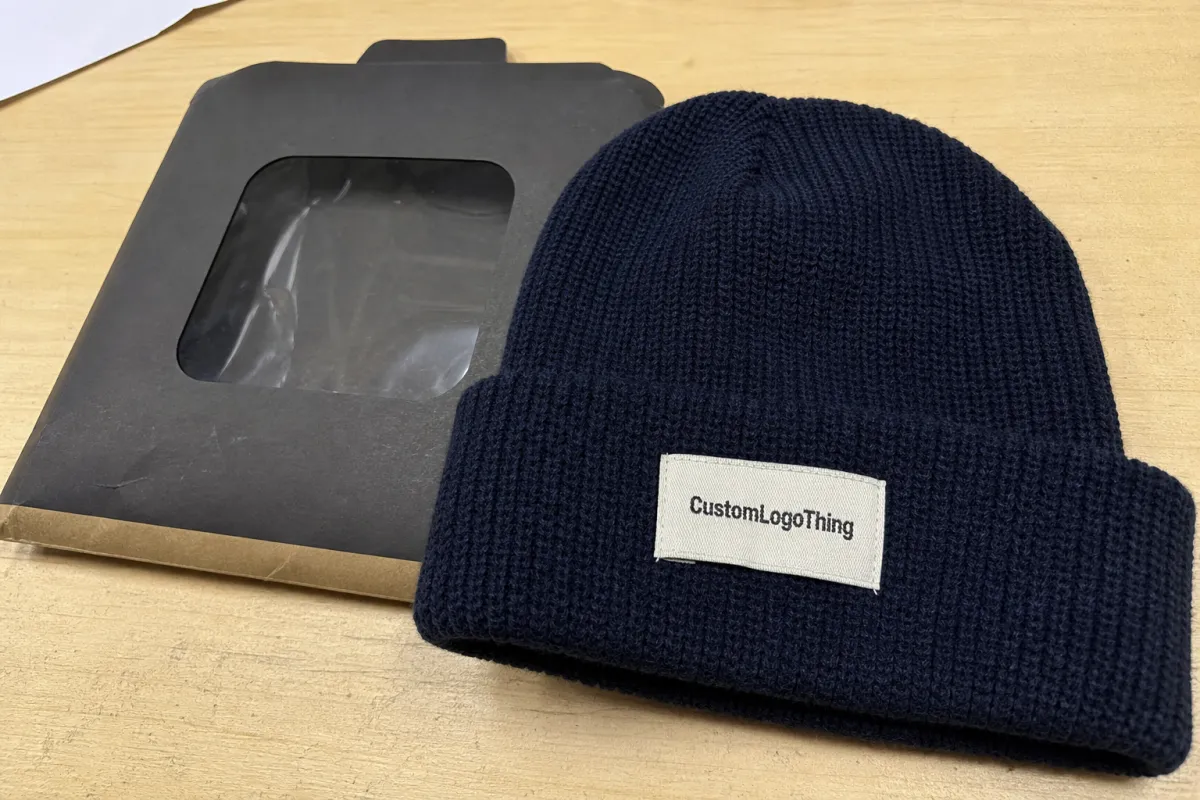
A trade show floor can be cold, drafty, and crowded, and that combination makes a cuffed beanie an easy win. It is useful in the moment, but it also keeps working after the event, which matters because a giveaway that gets worn again creates more impressions than one that disappears into a tote bag. That practical second life is a big reason trade show Premium Cuffed Beanies MOQ keeps getting attention from serious buyers.
The cuff helps too. It gives the decorator a clear, readable branding area without forcing the knit body to carry all the visual weight. In practice, that means a logo on the cuff can look intentional and premium even when the rest of the beanie stays simple. Buyers often underestimate how much that structure helps the piece look finished on a table display or on a staff member in a photo.
Another advantage is versatility. One style can support winter expos, outdoor activations, team uniforms, and sponsor programs if the color and decoration plan are set up correctly. I see many buyers treat the beanie as inventory rather than a one-off promo item, which is the right mindset. A good style can be reordered, packed in bulk, or kitted into higher-value sets later on.
If a beanie has to look premium in a booth photo, spend on fabric feel and cuff structure before you spend on extra decoration complexity. That usually gives a better return than adding more colors to the artwork.
For teams comparing winter giveaway ideas, a cuffed knit often beats a scarf, glove set, or oversized novelty item because it is easier to size, easier to store, and less likely to create fulfillment headaches. The buyer still needs to respect MOQ and decoration limits, but the functional upside is strong.
Premium Cuffed Build: Yarn, Knit, and Decoration
The material choice changes the whole feel of the product. Acrylic is common because it is durable, warm, and cost-effective. Recycled blends can be a smart option if the brand wants a more responsible materials story, while wool blends usually offer a softer hand and a higher-end appearance. Mixed yarns can also help balance warmth, stretch, and price, but the final result depends on the knit construction and finishing quality as much as the fiber itself.
A premium cuffed beanie usually has a tighter gauge knit, cleaner fold lines, and enough structure in the cuff to hold decoration without looking slouchy. That matters in person. A loose knit can look relaxed, but it often photographs poorly and can blur a stitched logo. Buyers ordering trade show Premium Cuffed Beanies MOQ should ask how the fabric behaves after wear, not just how it looks straight off the machine.
Decoration choice is where many orders succeed or fail. Embroidery is a straightforward option for a clean logo and a tactile finish. Woven patches give the piece a more elevated, apparel-like feel and can preserve fine details that might be lost in stitch work. Label applications work well for subtle branding, and knit-in graphics are best when the design needs to become part of the structure itself.
That said, each method changes the final hand-feel. A large patch can sit proud of the knit and feel more premium, but it can also add stiffness. Dense embroidery can look sharp, though it may pull on lighter yarns if the art is too detailed. The safest route is to approve the decoration method before the quote is finalized, because what looks simple on screen may behave very differently once stitches or patch materials are introduced.
Color also matters. A charcoal beanie with a white logo reads differently from a heather gray style with tonal branding, and the second option can feel more understated and upscale. The right choice depends on whether the show needs loud visibility or a more refined piece that staff will wear repeatedly.
Sizing, Color Control, and Logo Placement Specs
Before a supplier can quote accurately, the buyer should know the finished dimensions that matter. That includes crown depth, cuff height, overall width when laid flat, and the amount of usable space on the folded cuff. If the logo is meant to sit centered, the cuff has to be wide enough to keep the mark balanced. If the artwork is offset or stacked, the placement needs to be checked against the fold so it does not disappear when worn.
Color control is another area where expectations need to stay realistic. Knitted goods do not behave like printed paper or coated packaging stock. Pantone references help, but yarn libraries and knit tension create natural tolerances. A buyer who wants close matching should ask for dyed yarn references or the nearest available shade range rather than expecting a digital color code to translate perfectly into yarn.
Placement choices should be tied to visibility. Center cuff branding is easy to read and usually the most efficient for trade show staff. A woven label at the edge can feel more subtle and premium. Tonal branding works well for a fashion-forward look, but it may not be the right answer if the beanie needs to be spotted from across the aisle.
Artwork preparation matters more than many teams realize. Clean vector files, simple linework, and corrected small text reduce stitch loss and make the final result easier to control. If the logo has thin letters, tiny registration points, or gradients, the design should usually be simplified before quoting. That is not a compromise; it is the difference between a brand mark that reads clearly and one that turns mushy in production.
A practical spec checklist helps buyers compare options quickly, especially when several event dates or internal teams are involved:
- Finished size: crown depth, cuff height, and width at the fold.
- Decoration: embroidery, woven patch, label, or knit-in design.
- Color target: Pantone reference, yarn match, or approved nearest shade.
- Usage: booth staff, attendee giveaway, VIP kit, or resale.
- Packing: bulk packed, polybagged, or kitted with inserts.
Trade Show Premium Cuffed Beanies MOQ: What Drives the Quote
Trade show premium cuffed beanies MOQ is usually tied to the real work behind the order, not an arbitrary number. Yarn procurement, knitting setup, decoration method, and color changes all affect how low a supplier can go without making the order uneconomical. That is why two beanies that look similar on paper can have very different minimums once the production method is clear.
Custom colors, multiple decoration locations, and specialty finishes all push the order upward in complexity. A single embroidered logo on a stock blank is usually the cleanest path to a smaller minimum. Move to a custom knit pattern, mixed assortments, or applique work, and the supplier is likely to ask for more pieces because the setup and handling time climb fast.
| Option | Typical MOQ | Cost per piece | Setup or tooling fees | Best fit |
|---|---|---|---|---|
| Stock blank with embroidery | 24-50 pcs | $4.50-$8.50 | $35-$75 setup charges | Small staff orders and faster event deadlines |
| Stock blank with woven patch | 50-100 pcs | $5.50-$9.50 | $60-$150 tooling fees | Premium look with stronger detail retention |
| Custom knit jacquard | 100-300 pcs | $6.50-$12.50 | $100-$250 tooling fees | Brands that want the logo built into the fabric |
| Recycled blend with label | 100+ pcs | $6.00-$11.00 | $50-$120 setup charges | Sustainability story and subtle branding |
Those numbers are only a guide, because bulk pricing depends on more than quantity alone. Stitch count, number of colors, patch material, individual bagging, and whether the order needs size splits all affect the final quote. A 200-piece run with one clean logo can cost less per unit than a 100-piece run with several decoration steps, even if the larger order feels more expensive at first glance.
Unit cost should be read together with quality and timing. The lowest bid is not always the strongest value if the beanie feels thin, the logo loses detail, or the shipment arrives with too little margin before the event. A buyer should ask what the quote includes, what it excludes, and which changes would trigger new setup charges.
If you are comparing options for trade show premium cuffed beanies MOQ, ask for tiered pricing at several quantities instead of one flat number. That makes it easier to see where cost per piece improves and where the supplier begins to absorb more of the setup burden.
Production Steps, Lead Time, and Approval Milestones
A clean production process usually starts with quote review and art inspection. Then comes the proof, followed by order confirmation, scheduling, decoration, finishing, and shipping. That sounds basic, but each step has a point where delays can creep in, especially if the logo needs cleanup or the buyer has not locked the quantity split.
Lead time depends on yarn availability, decoration method, and how close the order lands to peak trade show season. Stock blanks with simple embroidery can move faster than fully custom knit patterns. Once custom yarn sourcing or special packaging enters the picture, the calendar gets tighter. Buyers should treat production time and freight time as two different risks, because a finished order is useless if it misses booth setup by a day.
- Artwork review: confirm file quality, logo size, and placement.
- Digital proof or sample: approve the look before production begins.
- Color confirmation: lock yarn or patch shades against the target.
- Production scheduling: reserve the knitting and decoration window.
- Final shipment: verify address, packaging style, and transit timing.
Approval milestones protect both sides. Art signoff prevents logo disputes. Color confirmation reduces surprises. Sample approval, when needed, gives the buyer a chance to check hand-feel, stitch density, and cuff shape. If the order includes paper inserts or hangtags, asking for FSC-certified paper can keep the finish aligned with a cleaner materials story.
Shipping deserves the same discipline as production. Cartons should be packed so they can handle compression, vibration, and stacking during transit. Many buyers use the same thinking that informs ISTA transit test standards when they discuss how the cartons will be packed for show delivery. That is especially useful if the beanies are being sent to multiple locations or kitted with brochures and other inserts.
A simple timeline framework helps: back-plan from the event date, leave room for revisions, then add cushion for freight delays and registration changes. For most buyers, that buffer is what turns a stressful order into a controlled one.
What Buyers Should Expect From a Reliable Beanie Supplier
A reliable supplier should do more than send a price. They should explain why the MOQ is what it is, where the decoration limits are, and how the order will move from approval to delivery. If a vendor avoids those details and only pushes a one-line quote, the buyer is left guessing at the real trade-offs.
Spec accuracy is a strong sign of competence. Good suppliers talk about yarn weight, cuff structure, knit gauge, stitch behavior, and packing method in plain language. They should also flag likely issues early, such as tiny text that may not hold in embroidery or color combinations that will not read cleanly on a darker yarn.
Factory-side discipline shows up in the finished goods. Consistent knitting, shade control, stable patch placement, and careful packing make a difference once the product lands at the event site. If the order is being redistributed to different booths or shipped in bulk to a fulfillment center, the supplier should understand that the packing method matters as much as the decoration.
Trust also comes from repeatability. A buyer should be able to reorder the same beanie later, match a new color when needed, and keep branded merchandise consistent across campaigns. That is where strong communication pays off. Trade show schedules leave little room for guesswork, so the best partner is the one who can tell you what will happen before it happens.
For teams comparing vendors, I would focus on three things:
- Responsiveness: how fast they answer spec questions and revise proofs.
- Clarity: whether they explain MOQ logic, setup charges, and shipping details.
- Consistency: whether they can match repeat orders and keep branding stable.
Next Steps to Lock the Right Order Quantity
The cleanest way to order trade show premium cuffed beanies MOQ is to gather the basics before you ask for a quote. Event date, estimated attendee count, preferred decoration style, color direction, delivery location, and budget range are usually enough to get useful numbers back fast. If the beanies are going to booth staff, the quality expectation should be higher than if they are being used as a standard attendee giveaway.
Ask for tiered pricing at several quantities so you can compare the real unit cost instead of guessing. That will show where bulk pricing starts to make sense and how much the setup charges or tooling fees affect the smaller runs. If the order needs two sizes of packing or a split by department, include that upfront, because it can change the production plan more than the logo itself.
Approve a mockup early if the cuff placement, yarn color, or logo scale needs review. For staff wear or VIP kits, request a sample when possible, because hand-feel and fit affect how premium the item feels on the show floor. A beanie that looks good but wears awkwardly will not do the brand any favors.
If you need a quick place to check order details, the Custom Logo Things ordering FAQ is a helpful starting point, and the broader FAQ page can help clarify what information belongs in the first quote request. Once the specs and timing are aligned, place the order. For trade show premium cuffed beanies MOQ, the best plan is the one that arrives on time, matches the brand exactly, and feels worth wearing after the event ends.
Frequently Asked Questions
What is a typical MOQ for trade show premium cuffed beanies?
MOQ varies by construction, decoration, and colorway, but custom knitted or fully branded orders usually start higher than stock blanks. The smallest feasible quantity is often driven by yarn sourcing, knitting setup, and decoration labor rather than the beanie itself. Ask for tiered pricing so you can see where the unit cost improves as you move up in quantity.
Can I get my logo on the cuff without raising the MOQ a lot?
Yes, cuff decoration is often the most efficient branding option because it uses a visible area without changing the knit structure. Embroidery or a woven patch can keep the order practical while still looking premium. Fine details, multiple colors, or oversized placements may increase setup complexity and affect minimums.
How long does production usually take for custom cuffed beanies?
Lead time depends on stock yarn availability, decoration method, and whether the style needs custom knitting. Simple logo decoration can move faster than fully custom knit patterns or special packaging requests. Build in extra time before the event for approval, production, and freight transit.
What details should I send for an accurate beanie quote?
Send the event date, estimated quantity, logo file, preferred decoration method, color direction, and delivery location. Include whether the beanies are for staff, giveaways, or VIP kits, because that affects quality expectations and packing. If you need multiple tiers, ask for pricing at each quantity so you can compare options clearly.
Are premium cuffed beanies good for trade show giveaways?
Yes, they are practical, easy to ship, and useful beyond the event, which helps the giveaway keep working for the brand. The cuff creates a strong branding zone while the knit body gives the item a warmer, more substantial feel. They perform especially well for winter shows, outdoor activations, and staff uniforms that need a polished look.


