Unstructured Dad Hats Bulk Order: Request a Fast Quote
Unstructured Dad Hats are a practical choice for bulk programs because the style is easy to fit, easy to decorate, and easy to reorder. The soft crown sits low, the profile feels casual, and the cap does not require much explanation for buyers, teams, or end users. That makes it useful for merch drops, campus stores, staff uniforms, event giveaways, and retail programs that want a relaxed look without a rigid front.
The buying process gets simpler when the spec stays simple. Once the fabric, closure, decoration method, and packing method are locked, pricing becomes steadier and production is easier to manage. When those details are left open, quotes change, proofs take longer, and the final cost is harder to compare.
Why unstructured dad hats work for bulk programs
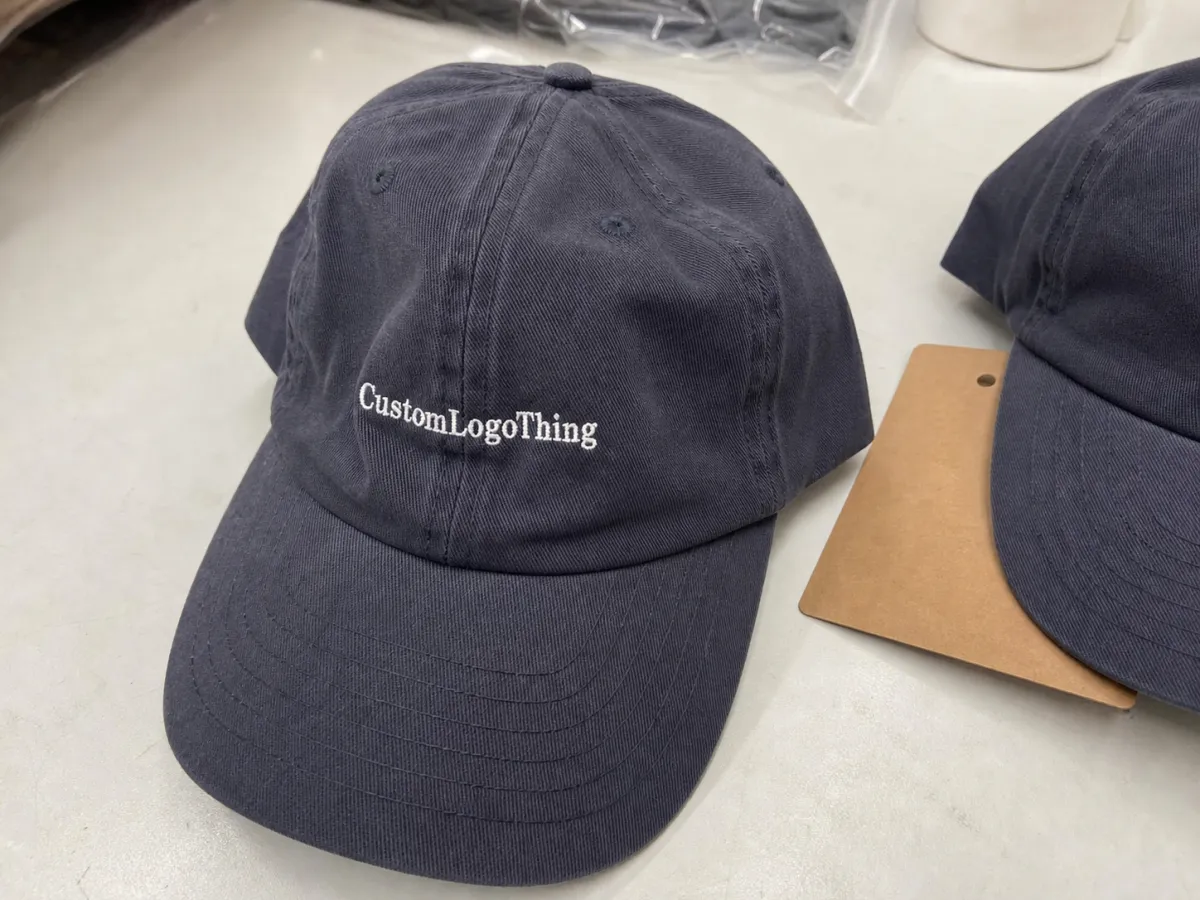
Unstructured Dad Hats solve a common wholesale problem: buyers want a cap that feels current but not overly styled. The soft crown fits a wide range of head shapes and breaks in faster than a stiff structured front. That makes it a good option when comfort matters as much as appearance.
They also reduce fit complaints. A rigid cap can feel boxy or upright on some wearers, while an unstructured one usually settles naturally after a few wears. For internal programs, that can mean fewer exchanges. For retail, it helps the hat look more approachable on display and in photos.
Decoration is another reason the style stays popular. A low-profile front panel gives embroidery and patch work a cleaner surface, especially for simple logos and text. The result usually looks intentional without needing a heavy build or a complicated silhouette.
A cap order is rarely lost because the style is wrong. It is usually delayed by missing specs, vague artwork, or a quote that hides setup and freight.
That is why repeat buyers treat this category as a program item rather than a one-off purchase. The main question is whether the supplier can reproduce the same fit, decoration placement, and packing method on the next run without surprises.
Materials and build details that change fit and feel
Fabric changes the cap more than many buyers expect. Cotton twill is the standard choice because it feels familiar, holds shape without becoming stiff, and accepts embroidery cleanly. Washed cotton softens the surface and gives the hat a broken-in look. Chino reads a little cleaner and more polished. Brushed cotton can feel softer in hand, but it also pushes the cap toward a more casual look.
Ask for fabric weight instead of relying on a general description. A lighter cap can feel more promotional, while a heavier one often reads more premium but may run warmer. If the hats will be worn for long periods, the sweatband matters too. A cheap sweatband can make even a good cap uncomfortable after a few hours.
Closure choice affects both the look and the cost. Hook-and-loop is usually the most economical and easiest to adjust. A metal buckle feels cleaner and often works better for retail. A self-fabric strap sits in the middle and is useful when the buyer wants a quieter finish without obvious hardware. If the hats will go to a mixed audience, check the adjustment range before placing the order.
Panel construction also matters. Six-panel unstructured caps are the classic dad-hat format and usually create the most familiar profile. Crown depth changes how the cap sits, and brim curve changes how it photographs. A flatter bill feels more modern; a stronger curve pushes the cap toward a traditional casual look.
One detail that is easy to miss is reinforcement. The front should be soft, but not so soft that embroidery sinks into the fabric or the logo loses shape. Too much reinforcement can make the cap feel less relaxed than expected. The best version usually uses a light hand rather than a hard front.
For color matching, ask for a real swatch, a current production sample, or a thread chart instead of trusting names like "vintage navy" or "soft black." If packaging includes inserts or hangtags, confirm the paper stock separately. If sustainability documentation matters, FSC-certified paper is a straightforward standard to request.
Specs to lock before you place an unstructured dad hats bulk order
The biggest source of delay is incomplete information. A supplier can only price accurately if the order is specific, and a proof can only be approved if the artwork and placement are clear. If the quantity is fuzzy, the logo area is unmeasured, or the delivery destination is missing, the quote will drift and the schedule will slow down.
Before releasing an Unstructured Dad Hats bulk order, lock the following:
- Quantity: total units, plus any split by color or logo version.
- Fabric: cotton twill, washed cotton, chino, brushed cotton, or another approved cloth.
- Weight and finish: light, standard, or heavier hand feel; washed, pigment-dyed, or clean finish.
- Closure: hook-and-loop, buckle, self-fabric strap, or slide closure.
- Decoration method: embroidery, woven patch, leather patch, printed label, or transfer.
- Placement: front center, side, back, or a combination.
- Artwork format: vector file, font notes, Pantone references, and target size.
- Packaging: bulk packed, polybagged, retail folded, or insert-ready.
- Approval stage: proof only, stitched sample, or pre-production sample.
- Shipping terms: destination, deadline, and whether freight is domestic or export.
That list prevents most quote revisions and separates fixed costs from variable ones. Digitizing, patch tooling, special folding, and carton labeling are not the same as the unit cap cost, so they need to be called out early. If procurement needs a usable quote, packaging format and decoration size should be specific, not implied.
One practical note: a logo that looks balanced on a screen can appear cramped on a curved front panel. Thin type and tiny details are usually the first things to fail. If the mark contains small lettering, request the decoration area in inches before approval. A design that works at 2.5 inches wide may not behave the same way at 3 inches.
Cost, pricing, MOQ, and what moves the quote
Price moves in predictable ways. Fabric quality, closure type, logo complexity, and quantity are the biggest levers. Packaging can add less than a dollar per unit in some cases, but it can also rise quickly if the order needs inserts, barcode labels, or retail folding. Freight, duties, and rush charges should be shown separately so the landed cost is clear from the start.
For many wholesale runs, blank unstructured caps land around $2.80-$5.80 per unit depending on fabric and volume. Decoration often adds $0.90-$3.20 per unit. Simple embroidery usually sits at the low end of that range, while patch programs, multiple placements, or special thread work cost more. At lower quantities, setup fees matter more. At higher quantities, those fees spread out.
| Option | MOQ effect | Typical price impact | Best fit |
|---|---|---|---|
| Simple embroidery | Usually the easiest to approve | $0.90-$1.80 add-on per unit | Clean logos and repeat programs |
| Woven patch | May require a separate patch minimum | $1.20-$2.50 add-on per unit | Fine detail and retail presentation |
| Leather patch | Higher setup than embroidery | $1.40-$3.20 add-on per unit | Premium merch and darker caps |
| Printed label or transfer | Depends on factory capability | $0.70-$1.90 add-on per unit | Low-profile branding and small art |
MOQ is not fixed across the industry. Stock hats often allow lower minimums, while custom fabric, special closures, and extra decoration can push the requirement up. A supplier may also count each colorway separately even when the total unit count looks large. Ask whether mixed colors share one minimum or carry separate setup charges.
Digitizing is another line that gets missed. Some suppliers include it, others charge a one-time fee, often in the $25-$75 range depending on complexity. Patch tooling can add more. If a quote does not show those costs clearly, the final invoice may be less friendly than the first page suggests.
Shipping method changes the math too. Air freight protects a launch date, but it raises landed cost. Ocean freight is slower and usually better for replenishment. For transit-sensitive orders, carton strength matters because hats can crush and brims can warp if the packing plan is weak.
Production steps, turnaround, and delivery windows
A normal production flow starts with artwork review, then proofing, then sample approval if needed, followed by bulk production, inspection, and freight booking. The sequence is straightforward. The schedule is where issues show up. A supplier that promises instant turnaround without proof review is usually skipping a step that will come back later as a delay or correction.
For a straightforward embroidered run, production often lands around 12-15 business days after proof approval. Patch programs usually take longer, often 15-25 business days, especially if the patch itself needs approval or the order includes custom labels and special packing. A pre-production sample can add a week or more, but it usually pays off when the design is sensitive or the quantity is large.
Shipping time is separate from production time. A domestic shipment may move quickly after release, while export freight needs more planning. If the launch date is fixed, say so before the proof is approved, not after the hats are already in production. Revision control matters too: changes to thread color, logo size, placement, or packaging after approval can force rework even when the factory is on track.
Decoration options and artwork rules that protect results
Embroidery remains the standard choice because it gives the cap a durable, clean finish. It works well on bold logos, initials, and simple icon marks. Woven patches are better when the design includes small type or fine line work that would suffer under stitching. Leather patches add a stronger premium signal and are common on darker or washed caps. Printed labels and transfers can be efficient for tiny marks, but they need testing so they do not feel too thin or glossy on a soft crown.
The safest rule is simple: simplify before you scale. Tiny type can disappear into the fabric, thin outlines can blur on a curved front panel, and gradients can lose edge definition. Strong contrast and open spacing usually produce a better cap than a crowded logo copied straight from a web file.
If the artwork is complex, ask for a stitch simulation, a placement mock, or a sample cap. A stitch simulation is enough for many standard logos. A placement mock helps when the front panel is especially soft or the logo sits close to seams. A sample cap is the better choice when the design uses multiple thread colors, fine lettering, or a finish that needs to be judged in daylight rather than on a monitor.
Thread color should be confirmed against a real chart or physical sample whenever possible. Screen color is useful, but it is not enough for brand-sensitive work. If the order needs to match a broader apparel line, request a pre-production sample or a detailed proof that shows size, placement, and color relationships clearly.
Good decoration is not the one with the most detail. It is the one that survives wear, packing, and repeat production.
What to look for in a bulk cap supplier
Reliable suppliers leave a paper trail. They can show a spec sheet, a proof record, a sample note, and a quality-control step before shipment. If the process feels improvised, the order probably is too. That is a problem for buyers who need consistency across multiple runs.
Repeat-order support matters more than many first-time buyers realize. A good supplier stores the artwork, remembers the previous crown depth, and keeps the packing method stable on the next order. The second run should feel like a controlled repeat, not a new project with old memory.
Good quoting is equally important. The best vendors say what is included, what changes with quantity, and what depends on the artwork. They also state what is not included. That kind of transparency helps marketing teams, procurement teams, and founders make decisions without chasing multiple versions of the same estimate.
QC should be visible, not implied. Ask who checks embroidery placement, how sample approval is documented, and whether the carton count is verified before the shipment leaves. If the order includes inserts or hangtags, the supplier should also confirm that those items were packed in the right sequence.
Next steps: sample, approve, and release the order
The fastest way to move an unstructured dad hats bulk order forward is to lock the basics before the quote is requested. Quantity, hat color, fabric, closure, artwork file, decoration size, shipping destination, and delivery window should all be in the first brief. If the order needs a sample, say that early. If the launch date is fixed, say that too.
Before production begins, three decisions should be closed: approve the proof, confirm the sample if the design is sensitive, and lock the shipping plan. If those pieces are still moving, the schedule is not secure yet.
What is the minimum quantity for an unstructured dad hats bulk order?
MOQ depends on whether the hats are stock or custom, which decoration method you choose, and how many colorways are included. Simple embroidery on stock caps usually has the lowest minimum. Custom fabrics, specialty patches, or custom labels often raise it. Ask whether each color counts separately and whether sampling is separate from production.
How long does bulk unstructured dad hat production usually take?
A straightforward embroidered order often takes about 12-15 business days after proof approval. Patch work, custom labels, or pre-production samples can extend that to 15-25 business days or longer. Freight time is separate, so always ask for production and transit windows together.
Which decoration method is best for bulk unstructured dad hats?
Embroidery is the most common choice because it is durable and clean on a soft front panel. Woven patches work well when the logo has fine detail or small type. Leather patches create a more premium look, especially on washed or darker caps. The best method depends on the artwork and use case, not just the lowest price.
Can I mix colors or logos in one bulk order?
Often yes, but many suppliers count each color or logo variation separately for setup and MOQ. That can change the pricing more than buyers expect. Ask for a quote that breaks out each variant so you can see whether the mix helps or adds extra cost.
What files do I need for an accurate quote on bulk dad hats?
Send vector artwork, logo placement notes, the target hat color, total quantity, and Pantone references if color accuracy matters. Add packaging and shipping details if they are part of the order. For an unstructured dad hats bulk order, the cleaner the brief, the faster the quote and the fewer revisions you will need.