Wedding Ribbed Winter Beanies Bulk Order Planning Guide
A cold-weather wedding can turn a simple favor into a logistics exercise, and wedding ribbed winter Beanies Bulk Order Planning works best when the beanie is treated as both a gift and a production item. It has to arrive on time, fit a wide range of heads, hold up in photos, and still feel worth keeping after the event. Ribbed knits are useful for exactly that reason: they stretch enough to fit most people, but they still keep a clean shape on the table and on the head.
The best winter wedding orders are rarely the fanciest. They are the ones that match the venue, the weather, and the number of people who actually need them. A ribbed beanie makes that easier because one style can cover attendants, family members, vendors, and guest favors without forcing separate size runs or multiple accessory types.
A winter favor should look finished in a photo and still make sense when someone wears it home.
Why Ribbed Beanies Make Sense for Cold-Weather Wedding Orders
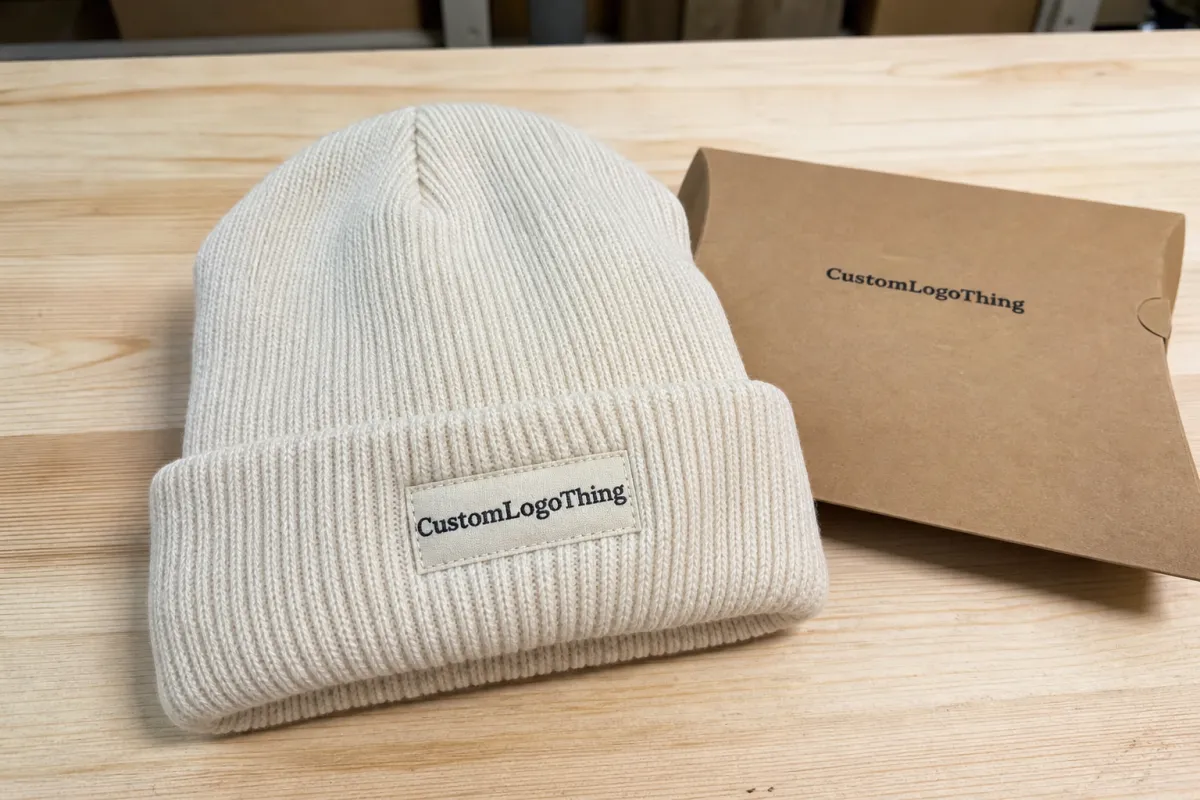
Ribbed beanies solve a real event problem with very little complication. They warm people up during outdoor ceremonies and photo sessions, they work for setup crews and shuttle drivers, and they feel more useful than a decorative item that never leaves the gift table. That practical value is one reason planners keep coming back to them for winter events.
The rib structure also helps the finished piece behave better in front of a camera. A tighter knit keeps its outline, so the hat looks intentional instead of slouchy or collapsed. That matters more than people expect. Wedding photos freeze every small detail, and a beanie that sits evenly on the head reads as polished, while one that twists or spreads can make the whole group look less coordinated.
Another advantage is flexibility. The same base style can usually work for bridesmaids, groomsmen, parents, venue staff, and guest gifts. That reduces the number of items you have to manage and cuts down on shipping complexity. For small events, it can mean one decorated style instead of four different cold-weather pieces. For larger ones, it can keep the whole program from turning into a color and size puzzle.
There is also a budgeting reason ribbed beanies are practical. Because the base product is simple, more of the spend goes into the parts that actually show up in the final result: knit quality, cuff depth, thread choice, label style, and packaging. A program that stays focused on those details usually looks more expensive than it is.
Knit Weight, Rib Depth, and Cuff Options
Once the style is set, the next question is how substantial the knit should feel. A tighter rib, such as a 1x1-style construction, gives the hat a firmer hand and a neater outline. A wider rib often feels a little softer and more relaxed, with a stronger texture. The right choice depends on the tone of the event and how much decoration space you need on the cuff.
Material selection has a bigger effect on comfort and budget than many buyers expect. 100% acrylic is common because it is warm, predictable in color, and usually the most cost-effective. Acrylic-wool blends feel a bit richer and may hold warmth better, but they tend to cost more and can require closer color matching. Lined beanies, especially fleece-lined versions, are the warmest option for very cold venues, though they can reduce stretch and slightly limit the decoration area. If the event is only briefly outdoors, that added insulation may be more hat than the plan requires.
Cuff depth matters too. A deeper cuff creates a better decoration zone for embroidery, woven labels, or a small patch. A shallow cuff looks tidy on a product page, but it can leave very little room for a logo to read clearly once the hat is folded and worn. For wedding orders, I usually favor enough cuff height to fit decoration cleanly without turning the beanie into a loud branded item.
The venue should shape the build. A ski-lodge reception, a mountain elopement, or long outdoor portrait time calls for a denser, warmer knit. An urban winter wedding with short steps between the car, the venue, and the photo spot can often use a lighter acrylic style. That tradeoff is where smart planning shows up: you buy what fits the conditions, not the most expensive option on the list.
| Option | Best For | Typical Budget Impact | Notes |
|---|---|---|---|
| Basic acrylic ribbed beanie | Large guest counts and value-focused orders | Lowest | Good stretch, dependable color consistency, easy to decorate |
| Acrylic-wool blend | More polished wedding favors and attendants | Moderate | Warmer feel, higher unit cost, good for premium presentation |
| Fleece-lined beanie | Very cold venues and long outdoor photo blocks | Higher | More insulation, less stretch, best when warmth matters more than a small logo |
| Recycled or specialty yarn build | Eco-conscious programs and more specific brand stories | Variable | Check yarn availability early; color choices may be narrower |
For packaging and shipping materials, ask whether inserts, hang tags, or belly bands can be produced on FSC-certified paper if that matters to your program. If the order will be shipped in cartons, the packing should tolerate handling, stacking, and vibration without flattening the knit. Standards from organizations such as FSC and ISTA are useful reference points for that kind of planning.
Decoration Zones, Colors, and Fit Details
Decoration on ribbed knit is mostly about placement and restraint. The front cuff is usually the cleanest zone for embroidery because it sits flat enough for the stitches to read well and it remains visible when the hat is worn. A side mark can work for a smaller detail, such as a date or initials. Woven labels add a more refined look if the goal is subtle branding. Patches can be effective too, but only if they are scaled to the hat instead of dominating it.
Texture changes how artwork reads. Heavy contrast can make embroidery feel stiff on the ribbing, while thread colors that are too close to the beanie may disappear in low light. For wedding programs, a compact design usually looks better than an elaborate one. The ribbing already brings visual texture, so the decoration should support it rather than compete with it.
Fit deserves an actual check before approval. Most ribbed beanies are one-size-fits-most, but stretch range is not unlimited. A softer knit can fit a wider range of heads, while a denser rib may feel more secure but a little snugger. If the beanie will be worn for an entire day of travel, photos, and outdoor time, that comfort difference becomes noticeable.
A simple color strategy keeps the order cleaner and easier to produce:
- Choose one base beanie color that fits the wedding palette or winter setting.
- Use one accent thread color for embroidery whenever possible.
- If the order is split by group, change only one variable at a time, such as thread or label color.
- Ask for a proof that shows the logo on the actual cuff size, not only on a flat mockup.
That last point prevents a common mistake. A logo that looks balanced on screen can feel oversized once it sits on a ribbed cuff, especially on darker yarns or textured knits. A proper proof should show scale, placement, and stitch detail clearly enough that the buyer can approve it without guessing.
Pricing, MOQ, and Quote Planning for Wedding Ribbed Winter Beanies Bulk Order Planning
For wedding ribbed winter beanies Bulk Order Planning, pricing usually falls into four parts: the blank hat, the decoration method, the packaging or labeling, and freight. Buyers often focus on the base hat cost, but the final number can move more because of setup labor, thread selection, special folding, or the number of cartons needed to ship the order. If the pieces need individual bags, printed belly bands, or gift-ready presentation, those details belong in the quote from the start.
MOQ is rarely arbitrary. It is usually tied to the blank color, the decoration setup, or whether the product is stocked or special order. A standard beanie may allow a lower minimum, while a private color or a specialty yarn can require a higher commitment. In practice, minimums often start around 48, 72, or 100 pieces per color or decoration run, but the actual threshold depends on the production method. It helps to ask early how price tiers change at 100, 250, and 500 pieces; those jumps can be larger than buyers expect.
For decorated wedding orders, a realistic bulk price often lands around $4.50-$8.50 per unit at common quantities. Premium yarns, lining, multiple thread colors, and more involved packaging can push the price higher. Smaller runs usually cost more per piece because setup is spread across fewer units. That is why a bridal party order of a dozen hats can feel expensive compared with a guest-favor run of several hundred.
To get an accurate quote on the first pass, send the basics in one clean package:
- Total quantity, broken out by color if needed
- Decoration method, logo size, and placement
- Production-ready artwork file
- Deadline, delivery address, and whether the order ships to one site or several
- Packaging needs such as bags, tags, inserts, or special folding
Small omissions can change the quote after the fact. If the art arrives as a low-resolution image instead of vector artwork, redraw time may be needed. If the delivery address changes after production starts, freight charges can move. If the order needs split shipments, each destination adds another place where a label error or delay can happen. Tight quote planning reduces all of that.
Process, Lead Time, and Approval Milestones
The cleanest process starts with a spec review. Once the blank style, color, decoration, and quantity are set, the proof should show exact placement, thread color, and size. If the beanie color or cuff height needs to be judged in hand, a physical sample is worth the extra time. For simple logos on in-stock blanks, proof-only approval may be enough. The key is deciding that early instead of halfway through the schedule.
Lead time should be broken into two separate pieces: proofing or sampling, then production. Proofing can take a few business days if the artwork is clean and the request is straightforward. Sampling, when needed, often adds five to ten business days depending on the decoration method and blank availability. Production on decorated beanies often runs about 12-20 business days after approval, though larger orders, multiple thread colors, or custom packaging can extend that window.
Most delays come from the same few issues: artwork arrives in the wrong format, quantities change after the first quote, the shipping address is not final, or the requested date leaves no room for freight variation. Winter orders also deal with carrier delays that are hard to predict when the quote is approved, so the safest plan is to build a buffer into the schedule rather than counting on the earliest transit estimate.
If the hats will ship in printed cartons, event bags, or nested gift packs, ask how the packaging is tested and stacked. The goal is not overengineering; it is keeping the knit from arriving flattened, damp-looking, or misshapen after transit. Packing discipline is part of the product, not an extra.
Build the schedule backward from the event date. That habit catches most winter delivery problems before they show up.
For orders with several recipient groups, lock the final count before production starts. Adding a few extras later is often possible, but it is much easier when the first order already includes a cushion for plus-ones, staff gifts, or one more guest table than planned.
What Makes a Reliable Vendor for Wedding Beanie Programs
A reliable vendor does more than say yes. They explain what the blank can handle, where the decoration will sit, and what might affect the schedule before the order is locked. That kind of clarity matters because wedding programs have less room for recovery than ordinary retail orders. If the vendor can describe knit density, stitch quality, and packing choices in plain language, the buyer can make a decision with fewer assumptions.
Proofing discipline is a good sign. Strong mockups show the logo in context, with the right cuff height and enough contrast to read clearly. A vendor who flags an oversized logo or a crowded placement is usually trying to protect the finished result, not complicate the order. On ribbed knit, small changes in scale can make the difference between clean and awkward.
Quality control should show up in the sample, not just in the promise. Look for centered embroidery, trimmed threads, even stitching, and beanies that keep their shape after handling. If the order is individually packed, check whether the packaging leaves room for a hang tag or insert without crushing the cuff. That matters most when the hats are going into welcome bags or being delivered straight to a venue.
Process consistency also matters for repeat orders. The same artwork file should not need to be rebuilt every time, and the same blank style should not drift from one run to the next without notice. A vendor who keeps records well can move a reorder faster and with fewer surprises. That is the difference between an order that feels managed and one that feels improvised.
One of the clearest signs of a dependable partner is timing honesty. If the date is tight, they should say so early. If the freight window is shaky, they should say that too. A warning about a color match issue or a shipping buffer is useful; a last-minute surprise is not.
Final Checklist to Lock Artwork, Counts, and Shipping
Before approving the order, make sure the numbers and the art match the event plan. Wedding beanie orders become expensive when counts drift after proof approval, so the safest approach is to lock the details together rather than one at a time. That is the most reliable way to finish wedding ribbed winter Beanies Bulk Order Planning without avoidable changes.
- Confirm total quantities by color and recipient group.
- Choose the decoration method, placement, and logo size.
- Send final artwork in the correct file format.
- Review the proof with one named approval contact.
- Verify the shipping address, delivery window, and any venue restrictions.
- Decide early whether individual packaging, gift tags, or split shipments are needed.
If the hats are going to several locations, confirm every address before production begins. Split shipments can work well, but each extra drop point adds a chance for a label mistake or a late delivery. If the beanies are being packed into welcome bags, the bag size should be checked against the folded hat size so the cuff does not get crushed.
For winter weddings, a small buffer for carrier delays and late guest additions is worth keeping. A few extra units can solve problems that are hard to fix once the order is on the move, especially if the beanies are part of a favor table or a family gift set. That reserve is easier to justify than a rushed second order.
How early should I start wedding ribbed winter beanie bulk ordering?
Start as soon as the guest count or wedding party list is stable. Artwork proofing, decoration setup, and sampling all take time, and winter schedules are less forgiving if the weather turns. If the order needs color matching, multiple ship-to addresses, or gift packaging, add more lead time so the timeline does not depend on a rush freight lane.
What decoration method works best on wedding ribbed winter beanies?
Embroidery is usually the cleanest choice because it sits well on ribbed knit and photographs clearly. Woven labels can create a quieter, more refined look, while patches work best when the design is simple and the patch size is kept modest. A compact logo almost always reads better than a large one on textured knit.
What MOQ should I expect for custom wedding ribbed winter beanies?
MOQ depends on the blank style, color, and decoration method, and it often shifts with setup complexity. A standard stock beanie may start lower than a special color or lined version. Ask for quantity tiers so you can see where the unit cost drops and whether combining groups changes the price enough to matter.
Can I split a wedding beanie bulk order across colors or guest groups?
Often yes, but each color or decoration setup may carry its own minimum or setup fee. A split order works best when the base style stays the same and only one variable changes, such as thread color or label color. If some hats go to the venue and others go to family members, confirm every ship-to address before production starts.
What information do I need for an accurate quote on wedding beanie orders?
Send the total quantity, color choices, decoration method, artwork file, delivery date, and ship-to address in one message. Include packaging requests too, because individual bags, tags, or special folding can change labor and material costs. That level of detail keeps wedding ribbed winter Beanies Bulk Order Planning accurate from the first quote.