Wine Club Paper Shopping Bags MOQ: Pricing and Ordering
If you are pricing Wine Club Paper Shopping Bags moq, the first mistake is usually the simplest one: treating the bag as a cosmetic accessory instead of a working package. A bag that looks good on a render can still fail the moment a bottle with a taller neck, a thicker base, or a wrapped insert goes inside it. The right starting point is not the logo. It is the bottle, the way the club hands it over, and the amount of room left after tissue, cards, or dividers are added.
For custom logo programs, the useful bag is the one that survives retail handoff, club pickup, and repeat ordering without forcing the team to rebuild the spec every season. A solid wine club Paper Shopping Bags moq plan keeps the unit price predictable, holds setup charges in check, and leaves enough flexibility for size, print, and handle choices that actually suit the wine being packaged. That is the practical side of the order, and it matters more than a polished sample on a sales desk.
Why the First Bag Order Usually Fails the Shelf Test
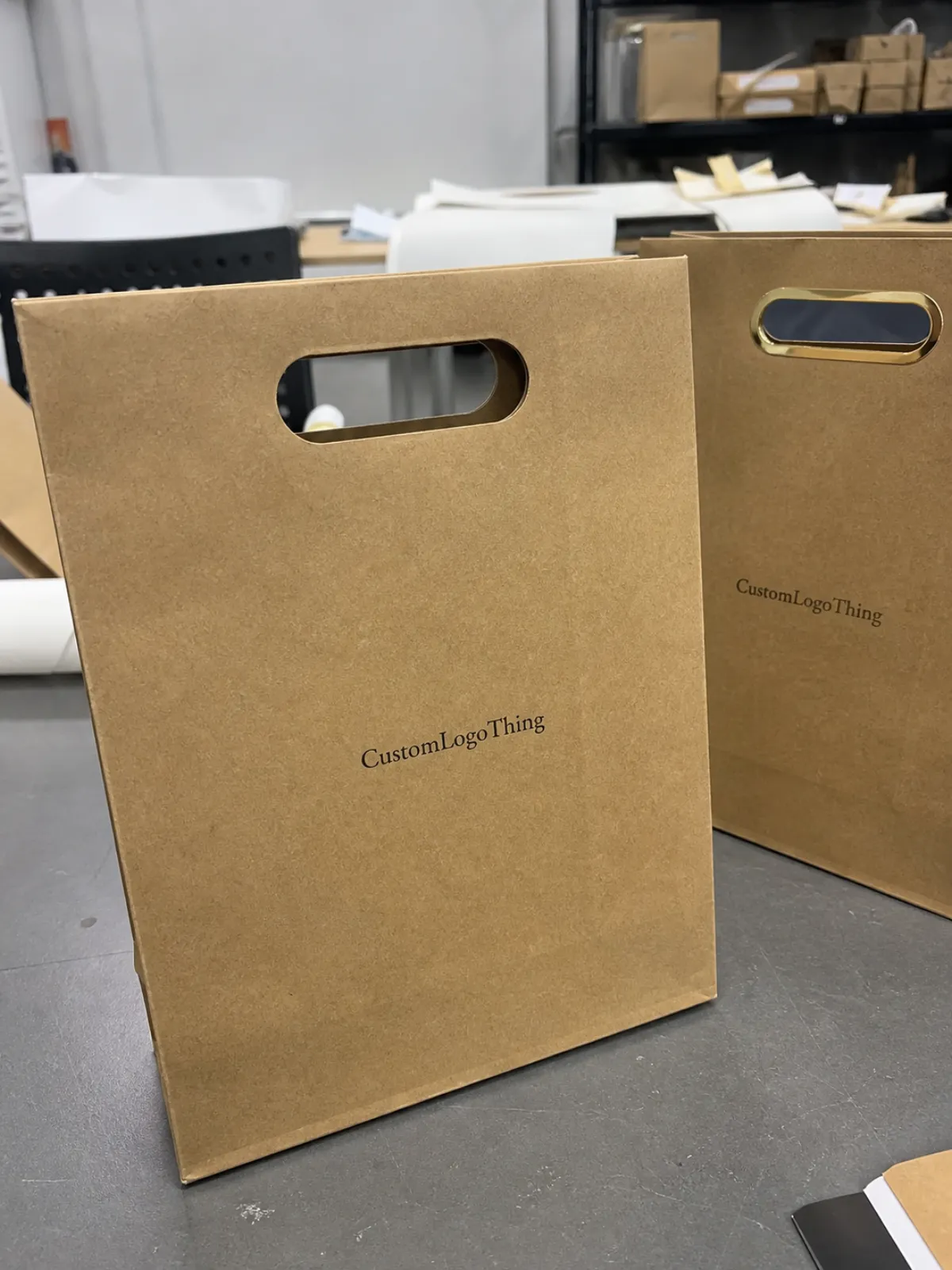
Wine clubs do not move one type of order. One-bottle pickups, two-bottle sets, reserve gifts, and mixed allocations all behave differently in the same bag. A one-bottle bag can seem oversized until you add a neck wrap, tasting card, or small insert. A two-bottle bag can look fine in a proof and still become awkward if the base is too narrow or the side walls collapse under load.
That is why the first order often misses the shelf test. Buyers focus on artwork and forget how the bag will be used. In practice, a bag that is 10 to 15 mm short on depth, or underbuilt at the handle fold, creates far more expense than a slightly higher MOQ. Reordering early, paying rushed freight, or splitting into a second run is almost always more expensive than placing a larger first order with a spec that actually fits.
The best way to frame the decision is plain: the bag must look right, feel sturdy, and work for the way the club packs wine. Not for a sample bottle placed carefully in a meeting. That difference shows up fast once production starts.
A premium-looking bag that tears at the handle is not premium. It is just an expensive apology.
From a buyer’s standpoint, the goal is not excitement. It is consistency. The size has to repeat. The print has to repeat. The lead time has to be predictable enough that the next club drop is not held hostage by a late reorder.
Paper Stock, Finish, and Brand Look That Fits a Wine Club
Paper choice affects price, print quality, and the way the bag feels in hand. Kraft paper is usually the most forgiving option. It hides handling marks, reads natural, and often keeps bulk pricing more accessible than coated stocks. For tasting room retail and regular club pickups, kraft is often the best balance of durability and cost per piece.
White coated paper creates a cleaner print surface and makes logos, fine line work, and saturated colors stand out. It can look sharper for reserve programs or gift packaging, but the tradeoff is real: it shows scuffs faster and feels less rustic. Textured paper sits above both in tone and price. It adds warmth and a more giftable finish, though it can limit certain print effects and rarely makes sense for a bag that will be handled constantly.
Material weight matters as much as color. Common paper weights for shopping bags sit in the midrange that balances form and carry strength, but the right number depends on the bottle count and the handle style. A one-bottle bag can live comfortably on a lighter build than a two-bottle version, which needs more body at the side seams and the bottom fold. Clubs sometimes overspec the paper because it sounds safer. That usually adds cost without improving the bag in any meaningful way.
Print method should match the program, not the mood board. One-color printing on kraft is still one of the cleanest choices when MOQ is tight and the brand mark is strong. Full-color artwork works best when the design system is already disciplined and the run is large enough to absorb setup costs. Hot stamping can look sharp on higher-end releases, but it needs restraint. Too much foil and the bag starts competing with the wine instead of supporting it.
For clubs that care about sourcing, recycled content and certification can be part of the brief from the beginning. If you want a reference point for certified paper options, FSC certification basics is a good place to understand the language before you compare quotes. That discussion is easier to handle early, before artwork and sizing are locked.
Size, Gusset, Handle, and Insert Specs for Bottles
Send real measurements, not guesses. Bottle height, body diameter, neck shape, closure type, and whether the bottle has a foil capsule all affect fit. So does the practical space inside the bag for tissue, a card, or a divider. A bag that holds a bare bottle may fail as soon as the fulfillment team adds a folded note or a protective sleeve.
The gusset is the quiet part of the specification that does the most work. Too shallow, and the bottle presses into the side walls. Too wide, and the bag gets bulky, wastes paper, and can feel awkward in the hand. For a standard one-bottle club bag, the starting point is enough room for a 750 ml bottle plus some clearance on either side so the package does not fight itself. For two-bottle bags, the base width, side support, and handle attachment all need more attention because the bag carries more weight and the contents move around more during transport.
Handle choice affects both cost and usability. Twisted paper handles are common and economical, and they do fine for lighter loads. Reinforced flat paper handles give a cleaner retail look and usually feel more secure on heavier builds. Rope handles read as more premium and carry more confidently, but they increase cost and are rarely necessary unless the bag is being treated as a gift item or a higher-value presentation piece.
Bottom reinforcement is not optional once the weight climbs. A single insert board can keep a one-bottle bag from sagging, and a stronger base is essential for two-bottle programs. If the bag will be used for mixed club allocations, it is worth testing the spec with the heaviest normal bottle in the program, not the lightest one. A spec approved from a logo file and a rough estimate is how rework starts.
If the bags are packed into cartons before they leave production, that outer pack matters too. Carton size, stacking pressure, and pallet weight all influence whether the bags arrive neat or crushed. If the bags will travel through multiple hands before they reach a tasting room or fulfillment floor, it helps to think beyond the bag itself and into the transit path. The ISTA testing standards are a useful reference when you want to compare your carton plan against common handling stress.
Wine Club Paper Shopping Bags MOQ: Cost Breakpoints That Matter
This is where wine club Paper Shopping Bags moq becomes a real budgeting question. Quantity changes the economics fast. So do paper weight, print colors, handle style, reinforcement, custom sizing, and whether the art is a clean one-panel layout or a more complex multi-panel design. A buyer usually asks first for the lowest unit price, but that number only matters if you include setup, tooling, freight, and any proof or sample charges that apply.
For a custom paper shopping bag, the unit cost generally drops sharply once the order clears the smallest production tier. The table below gives a practical view of how those breakpoints usually behave for wine club bags with standard print complexity.
| Order Tier | Typical Unit Cost | What Usually Fits Here | Tradeoff |
|---|---|---|---|
| 500-1,000 pcs | $0.75-$1.40 | Simple one-color logo, basic handle, limited sizing | Setup costs carry more weight, bulk pricing stays weak |
| 3,000 pcs | $0.38-$0.75 | Mid-size club run, one or two colors, standard kraft or white stock | Better value, though upgrades still move the number quickly |
| 5,000 pcs | $0.28-$0.55 | Most balanced MOQ for recurring club programs | Strong cost per piece if artwork stays stable |
| 10,000 pcs+ | $0.20-$0.42 | Large clubs, seasonal releases, multiple drop cycles | Best unit pricing, but more cash sits in inventory |
The cheapest unit price is not always the best purchase. A quote that looks lower on paper can turn into the more expensive option once freight, emergency production, and a larger-than-needed minimum are added in. A clear 5,000-piece quote with honest setup charges is usually more useful than a bargain-looking small run that disappears once the next club release arrives.
Watch the add-on stack closely. Foil stamping, specialty coatings, multiple artwork versions, custom inserts, and mixed sizes can move the price more than most buyers expect. A second bag version for reserve members may require separate plates or tooling. If the supplier is vague on that point, ask for the breakdown before the proof is approved. Surprise charges after signoff are usually a sign the brief was incomplete, not that the production team suddenly became creative.
Freight also deserves a hard look. A low factory price with expensive shipping can undercut the whole comparison, especially when the bags are bulky but light. For that reason, quote comparisons should always include the delivery address and the expected pack quantity per carton. Without those details, the number is only half a number.
For a standard internal reference on ordering stages and repeat runs, the FAQ page is the easiest place to keep common questions together.
Process, Proofing, and Lead Time From Quote to Delivery
A clean ordering process saves more money than a clever layout choice. Start with a complete request for quote that includes bag size, bottle count, paper stock, print method, handle type, expected quantity, and delivery zip code. If one of those pieces is missing, the quote comes back vague, and vague quotes waste time.
The usual sequence is straightforward: request for quote, spec review, artwork submission, proof approval, production, packing, and shipment. The proof is the point where mistakes are cheapest to catch. Check panel orientation, logo placement, copy accuracy, color callouts, and whether the printer is working from a vector file or trying to salvage a low-resolution image. That last problem still shows up far too often, and it can ruin a clean design very quickly.
Lead time depends on the bag and the print method. A simple custom run often lands in the 12 to 20 business day range after proof approval. More complex work, especially bags with foil, custom handles, or special reinforcement, can run closer to 20 to 30 business days. Seasonal demand, paper availability, and shipping lane congestion can move those windows around, so the schedule should never be treated as fixed until the order is actually in motion.
Shipping time is separate from production time, and it is the piece buyers forget most often. A bag can be finished and still arrive late if transit takes longer than expected. If the order is going to multiple club locations, ask whether cartons are labeled by drop point and whether pack photos can be shared before the shipment leaves production. Those small steps save a lot of receiving confusion later.
Before approval, confirm the details that matter most:
- Final quantity and any acceptable overrun or underrun range
- Exact bag dimensions, handle style, and reinforcement details
- Artwork version, color count, and print method
- Shipping address and delivery window
- Who has signoff authority for the proof
That checklist is not glamorous, but it keeps a simple wine club order from becoming a long chain of corrections and a remake.
Forecasting Reorders for Seasonal Club Drops and New Vintages
Reordering should be planned, not reactive. Start with the real usage pattern: monthly club signups, holiday gifting, tasting-room traffic, reserve releases, and any seasonal promotions that lift bag demand. If a club burns through 2,000 bags in a quarter, the reorder plan should reflect that pace instead of hoping a small first order will somehow stretch long enough.
Seasonal demand sometimes justifies a higher initial MOQ. That sounds backward until the numbers are laid out. A larger run lowers the unit price, protects against stockouts, and reduces how often the team has to restart artwork, proofing, and production scheduling. If the same bag is used across several club drops, the higher commitment is often the quieter and cheaper choice over time.
Set reorder triggers in writing. A simple threshold such as “reorder at 25% remaining stock” keeps the team from waiting until the last pallet is almost gone. Tie that trigger to the next artwork freeze date, not just a calendar estimate. If the bag design changes with a new vintage, build that timing into the reorder cycle early so the new version does not arrive after the old stock is already exhausted.
One pattern shows up again and again: the bag artwork is updated every time the label changes. That is usually unnecessary and expensive. A good club bag should carry the brand across multiple vintages unless there is a real structural reason to revise it. Stable artwork is easier to price, easier to reorder, and easier to keep consistent across seasons.
That is also why the best order plans are deliberately boring. Stable spec. Stable art. Stable carton count. The fewer moving parts there are, the fewer ways the next release can go sideways.
What We Check Before the Bags Leave Production
Quality control is the part that protects the budget. Before shipment, the bag should be checked for print alignment, handle pull strength, color consistency, bottom glue, and carton counts. A bag can look fine in a stack and still fail when someone lifts a full bottle by the handles. That is why visual inspection alone is not enough.
Carton packing matters too. Bags should be boxed so they do not crush under their own weight, especially on longer freight routes or when they will sit in storage before a club release. The heavier the bag build, the more important pallet stacking and carton orientation become. Bent corners, warped handles, and compressed folds are all signs that the outer pack was too loose or the stack was too high.
For first-time runs, pre-production samples are worth the time. They give you a chance to catch color shifts, weak handle attachment, or a dimension problem while there is still room to correct it. For multi-location clubs, clear carton labels and documented pack counts make receiving easier and reduce the chance that one location gets shorted while another ends up with extra inventory.
There is also a practical difference between bags that merely survive shipping and bags that still look good when they are handed over at the counter. That gap is why inspection should include handling stress, not just print accuracy. Packaging teams that care about durable delivery often compare their internal checks against guidance from the Institute of Packaging Professionals and then adjust the receiving process to match the way their orders actually move.
When QC is skipped, the cost usually shows up later as rework, complaints, or additional freight. Those are not rare edge cases. They are the predictable result of approving a bag too quickly.
Next Steps: Build the Brief, Request the Quote, Place the Order
If you want a useful quote, send a brief that includes bottle count, target bag size, artwork file, estimated quantity, and delivery zip code. Add any details about inserts, tissue, bottle shape, or whether the bag needs to work for both pickup and gifting. The more concrete the brief, the more useful the pricing.
For comparison, ask for at least two or three tiers. A 1,000-piece option, a 3,000-piece option, and a 5,000-piece option usually show the real breakpoints in wine club Paper Shopping Bags moq. That makes it easier to compare unit cost, setup charges, and lead time side by side instead of guessing where the best value sits.
Then keep the approval path simple:
- Review the proof carefully.
- Confirm the shipping method and delivery window.
- Lock the production slot.
- Set the reorder date before inventory gets thin.
If the club uses the same bag spec more than once, save the approved dieline, the prior PO, and the sample reference. That prevents spec drift on the next run and shortens the buying cycle. It also avoids the common trap of rebuilding a package from scratch just because the label changed.
For most buyers, the right answer is not the flashiest bag or the largest run. It is the bag that balances MOQ, bulk pricing, and actual club use without creating waste or extra handling headaches. A good order should feel ordinary once it is approved. That is usually the sign the spec is finally right.
What is the usual MOQ for wine club paper shopping bags?
MOQ depends on size, print complexity, and whether the bag is stock or fully custom. A simple one-color club bag may start around 1,000 pieces, while a more custom build often makes more sense at 3,000 to 5,000 pieces. Ask for tiered pricing so you can see where unit cost drops.
Can one wine club bag size work for both one-bottle and two-bottle orders?
Sometimes, but only if the gusset, height, and handle strength fit the larger packed configuration safely. Test with real bottles before approving a mixed-use spec. A bag that is too loose looks sloppy; one that is too tight fails fast.
What affects the price of wine club paper shopping bags the most?
Quantity, paper weight, number of print colors, and handle style usually move the price first. Foil, coatings, dividers, and custom sizing raise cost fast. If someone gives you a quote without explaining setup charges, ask again.
How long does production take after proof approval?
Standard lead time depends on order size and print method, but the proof step is usually what keeps schedules honest. Simple runs can often ship in about 12-20 business days after approval; more complex work can take longer. Shipping time is separate, so confirm both production and transit before you promise a delivery date.
Can you match a previous wine club paper shopping bag order on reorder?
Yes, if the size, artwork, and structure stay the same. Use the prior PO, sample, or dieline to avoid spec drift and surprise tooling fees. If the old order worked, there is no reason to reinvent it just because a new vintage rolled in.

