Buyer Fit Snapshot
| Best fit | Printed Pouch Bags Unit Cost projects where brand print, material claims, artwork control, MOQ, and repeat-order consistency need to be specified before quoting. |
|---|---|
| Quote inputs | Share finished size, material target, print colors, finish, packing count, annual reorder estimate, ship-to region, and any compliance wording. |
| Proofing check | Approve dieline scale, logo placement, barcode or warning zones, color tolerance, closure strength, and carton packing before bulk production. |
| Main risk | Vague material claims, crowded artwork, missing packing details, or unclear freight terms can make a low unit price expensive after revisions. |
Fast answer: Printed Pouch Bags Unit Cost: What Drives the Price should be specified like a repeatable production item. The safest quote records material, print method, finish, artwork proof, packing count, and reorder notes in one written spec.
Production checks before approval
Compare the actual filled-product size with the drawing, then confirm tolerance on folds, seals, hang holes, label areas, and retail display edges. Reserve space for logos, QR codes, warning copy, and material claims before decorative graphics fill the panel.
Quote comparison points
Review material grade, print process, finish, sampling route, tooling charges, carton quantity, and freight assumptions side by side. A quote is only useful when the supplier can repeat the same color, closure quality, and packing count on the next order.
Printed Pouch Bags unit cost is rarely just a price tag. It is a bundle of choices: material, quantity, print process, barrier level, closure style, and finish. Small changes can move the number faster than most buyers expect. Two pouches can look almost identical on a shelf and still land at very different cost per piece once the film structure, zipper style, or ink coverage changes. That is why a quote should be read like a production spec, not treated like a single magic number.
The real buying question is not whether a pouch is cheap or expensive in isolation. It is whether the pack protects the product, fills well, looks right in retail, and still leaves enough margin after freight, spoilage risk, and production waste are counted. A pouch that saves a cent and creates two cents of trouble is not a win. Printed pouch bags unit cost only makes sense when it sits beside shelf life, line speed, and the way the pack performs after it leaves the factory.
Why printed pouch bags unit cost can surprise buyers
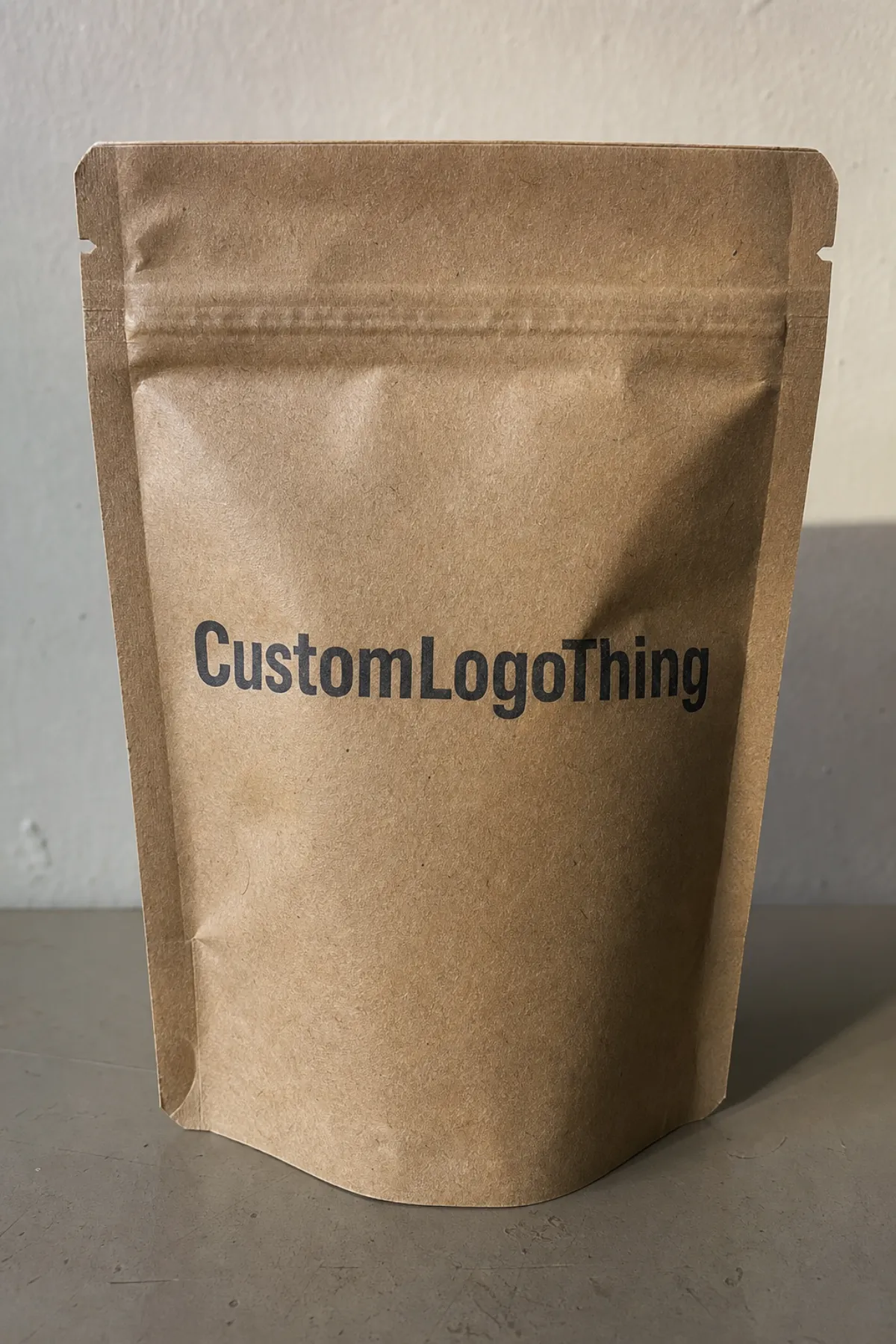
The first surprise is usually the same one. A pouch that looks simple can hide a stack of cost layers. Base film may be inexpensive, but once barrier performance, a zipper, matte surface, reverse printing, or a window gets added, the build gets more complex and the unit cost moves with it. Buyers often start with artwork because that is the part they can see. The expensive part usually lives in the structure, the amount of material, and the number of steps needed to finish the bag without ruining it.
A standard stand-up pouch with PE layers, gloss finish, and one-color printing is a very different job from a matte metallized pouch with high-opacity white, laser scoring, and a press-to-close zipper. To most people, both bags just look like pouches. To a converter, one is a simple run and the other is a careful balance of setup, registration, and scrap control. Printed pouch bags unit cost can jump even when the marketing team thinks they only changed the design a little. The machine does not care about the mood board.
The business case is plain. The goal is not the lowest sticker price. The goal is the best value per usable pouch after shelf life, filling speed, product protection, presentation, and shipping durability are included. A slightly higher unit price can be the better buy if it lowers waste, improves consumer convenience, or keeps the filling line from acting like a problem generator. A cheap pack that seals badly or crushes in transit gets expensive fast. Packaging has a habit of punishing optimism.
A pouch quote should be read like a production recipe. Change the film, print coverage, or closure style and you are not just changing appearance. You are changing the manufacturing path and the cost behind it.
Early quote review helps more than most buyers think. If a supplier only sees a PDF and a target price, they have to guess. Some of those guesses will be fine. Some will turn into corrections once the artwork is checked, the dieline is adjusted, or the end use is explained properly. A clearer spec sheet usually shows where the real cost sits and where savings are possible without weakening the pack.
Printed pouch bag product details that affect cost
Pouch format changes the bill. A flat pouch generally uses less film and fewer forming steps than a stand-up pouch, so it is often simpler to make. Side gusset bags can be efficient for tea, coffee, powders, and other dry goods, but they may need a different filling setup and tighter sealing control. Specialty shapes, spouted pouches, and custom window formats almost always cost more because they need extra tooling, added parts, or more careful production control. Fancy shapes are fun until the factory has to make ten thousand of them.
Material structure is one of the biggest cost variables. PET/PE is common because it gives a practical balance of print quality, sealability, and price. BOPP/PE is often chosen for bright graphics and decent shelf presence. Metallized films add barrier and a more premium look. Foil laminations improve oxygen and light protection for products that are sensitive to freshness. Paper-based structures can work well for some retail brands, but they need careful engineering to handle moisture, grease, and seal integrity. Barrier is useful. Barrier is not free. More layers usually mean higher printed pouch bags unit cost.
Functional features also push the number around. A resealable zipper adds convenience, but it also adds a component and another process step. Tear notches help the consumer open the pouch cleanly, though they need precise placement. Spouts work well for liquids and semi-liquids, yet they require a special part and tighter assembly control. Hang holes can be simple or they can affect layout and waste if the web has to be positioned differently. Transparent windows help sell the product, but they reduce print space and can force a more careful structure choice to keep the bag looking clean.
Print coverage changes the economics in ways buyers miss all the time. A pouch with heavy ink coverage, full-bleed artwork, or dense dark backgrounds usually consumes more ink and can slow the press a bit compared with lighter artwork. White underprints, metallic effects, and reverse printing all add handling complexity. Some designs also need tighter registration, which raises setup time and waste during color matching and startup. Even a design that looks simple can carry a real cost impact if it uses a rich black field or a full-surface metallic look.
Finish matters too. Matte lamination creates a softer, more refined look, but it may add material cost and a different process profile compared with gloss. Soft-touch surfaces, tactile varnishes, and specialty coatings feel premium in hand, yet they rarely land at the low end of the price range. A buyer is paying for appearance, yes, but also for extra process control and extra material. That part is not glamorous. It is just where the cost sits.
Here is a practical way to think about pouch types and their usual cost drivers:
| Pouch type | Typical cost drivers | Buyer impact |
|---|---|---|
| Flat pouch | Lower film usage, simpler sealing, less structure complexity | Often lowest unit cost for basic dry goods or sample packs |
| Stand-up pouch | Gusset formation, more material, better shelf presentation | Balances retail appeal with moderate cost increase |
| Side gusset bag | Different forming behavior, efficient volume use, specific filling setup | Good for tea, coffee, powders, and bulk dry goods |
| Specialty pouch | Custom tooling, valves, spouts, windows, unusual shapes | Highest design flexibility, usually higher unit cost |
For buyers comparing printed pouch bags unit cost across suppliers, the useful question is not "What is the price?" The useful question is "What is included in this structure and why?" That forces the conversation into the real stuff: base film, barrier level, closure type, surface finish, and how much print is needed to get the shelf result you want.
If you want a baseline on packaging terms, the Packaging Machinery Manufacturers Institute is a solid reference point for equipment and packaging context, while the International Safe Transit Association gives useful perspective on transport testing and distribution risk.
Specifications buyers should lock before requesting quotes
Good pricing starts with good definitions. If the bag size is vague, the closure style is undecided, or the print coverage changes halfway through the process, the quote will move. A supplier can work from a rough concept, but exact specification control is what creates a quote that can actually be compared against another supplier's offer. Buyers who lock the basics before asking for pricing usually get cleaner numbers and fewer surprises later.
The first details to settle are the simple ones: bag width, height, gusset depth if needed, fill weight, and the required material thickness or structure. Those dimensions determine how much film is needed and how much support the bag gives once filled. A tiny size adjustment can change film usage more than people expect, and in high-volume runs that shows up clearly in printed pouch bags unit cost. Seal allowance matters too because the pouch needs enough margin to seal reliably without wasting film for no reason.
Next comes the closure style. Does the pouch need a zipper, a slider, a press-to-close feature, or no reseal at all? Is there a tear notch? Is there a spout? Does the pouch need a hang hole for retail display? Each feature affects material selection, assembly steps, and inspection needs. A resealable food pouch and a simple sample pack can share similar artwork and still take very different paths through production.
Print setup should be defined before quotes go out. That means the number of colors, whether the bag is printed on one side or both, whether reverse printing is needed, and whether the design depends on precise registration. Heavy coverage designs, metallic accents, and fine text near seal zones can require a more controlled run. If the design includes a large white underlayer on a clear or metallic film, that should be stated upfront because it changes both cost and print behavior.
There is also a practical end-use question that buyers skip more often than they should. Is this pouch for food, supplements, beauty products, pet treats, or industrial goods? The answer affects barrier needs, puncture resistance, and the way the pouch will be filled, stored, and shipped. Food and supplements may need odor and oxygen control. Beauty products may need better shelf aesthetics and clean seals. Industrial goods may need stronger puncture resistance or better stacking. A pouch built for the wrong environment can look cheaper on paper and cost more everywhere else.
A useful spec sheet usually includes:
- Exact pouch dimensions and fill weight
- Material structure, including barrier or paper content if relevant
- Thickness or gauge target
- Closure style and accessory features
- Print method preference and number of colors
- Finish preference, such as gloss or matte
- Required shelf life or barrier target
- Packaging use case and fill method
- Quantity target and any future repeat order assumptions
For sustainable packaging decisions, the FSC site is worth reviewing when paper sourcing matters, and the EPA recycling resources can help buyers think more carefully about how material choices fit broader waste and recovery goals. Those references do not replace technical pouch design. They just keep the conversation honest.
One more point matters in purchasing meetings. The best price is not always on the first quote page. It often shows up after a supplier normalizes the spec and removes guesswork. If one quote assumes a 5-mil laminate and another assumes a 4-mil laminate, or one includes a zipper while another excludes it, the numbers are not comparable. A good buyer compares like with like before judging value. Sounds obvious. Still gets ignored.
Printed pouch bags unit cost, pricing, and MOQ
Printed pouch bags unit cost usually drops as quantity rises because setup charges, tooling fees, plate costs, and machine preparation get spread across more pieces. The math is simple enough. The details depend on the print method and the structure. A short run looks expensive per bag because the fixed work sits on top of a tiny volume. A larger run can improve the per-piece price quickly if the spec stays stable and the material runs well.
Digital printing is often the practical route for shorter runs, especially when a buyer needs speed, versioning, or moderate artwork flexibility without the cost of plates or cylinders. Flexographic production tends to become more attractive as the run gets larger because setup cost is divided across more units. Gravure-style production can make sense at large scale when the artwork and structure justify it, though the upfront tooling burden is usually heavier. The right method depends on quantity, finish, and the visual result the brand needs. There is no prize for choosing the fanciest process if the order does not need it.
MOQ, or minimum order quantity, is usually tied to machine efficiency, material sourcing, and setup economics. A lower MOQ is possible sometimes, but that does not automatically mean the best price. A supplier can make a small run happen, yet the unit price rises because the line still needs to be prepared, color-matched, and inspected. Buyers who stop at the minimum may miss the better value point one tier higher.
That is why tiered pricing is useful. A quote that shows 5,000 pieces, 10,000 pieces, and 25,000 pieces gives the buyer a clean view of how the per-piece cost changes. Sometimes the unit price drops enough at the next tier to justify a bigger buy, especially if the product already has steady demand. Other times the savings are too small to offset storage, cash flow, or forecast risk. The right answer depends on how predictable the item is and how much room the warehouse has to play with.
When comparing suppliers, normalize the quote before deciding. Make sure the same size, same film structure, same closure, same finish, same print coverage, and same freight terms are being used. Headline price alone is not enough. Landed cost is what matters, because that is the number your margin actually feels after shipping, duties, and any extra handling are added.
Here is a practical comparison of common pricing drivers:
| Driver | Lower-cost choice | Higher-cost choice | Effect on unit cost |
|---|---|---|---|
| Quantity | Smaller run | Larger run | Larger runs usually lower cost per piece |
| Print method | Digital for short runs | Flexo or gravure for scale | Setup economics shift with volume |
| Material | Standard PE or BOPP/PE | Metallized, foil, or specialty barrier | Barrier and premium look raise price |
| Closures | No zipper | Zipper, slider, valve, spout | Extra components increase cost and labor |
| Artwork coverage | Simple, low-coverage design | Full-bleed, white ink, metallic effects | More ink and setup control can increase cost |
There are sensible ways to reduce unit cost without wrecking performance. Simplify the structure if the product does not need extreme barrier. Choose a standard size instead of a fully custom footprint if the fill weight allows it. Reduce print complexity where the brand can live with it, especially on the back panel or hidden surfaces. Remove premium features that do not change the consumer experience. If demand is steady, move to a larger order quantity so setup costs sit on a bigger base. Cost control does not need to be dramatic. It just needs to be real.
Typical price ranges vary a lot, but as a rough buying reference, simple short-run printed pouches may sit around $0.15-$0.40 per piece depending on size and decoration, while larger-volume production can push standard structures into roughly $0.05-$0.20 per piece. Highly customized barrier pouches, special finishes, and complex closures can move above that. Those ranges are not a promise. They are a planning tool. Actual quoted pricing depends on the spec, the factory route, freight, and the raw material market at the time of order.
One last purchasing habit helps more than most buyers expect. Ask for comparable options. A supplier can often quote a premium structure, a standard structure, and a lower-cost alternative side by side. That makes it easier to see what the extra money buys and whether the gain is worth it. It also helps reveal whether the current design is overbuilt for the product. Overbuilt packaging is a very expensive way to feel safe.
Process, timeline, and lead time from quote to delivery
A clean packaging schedule usually follows a predictable path. First comes the inquiry and spec review, where the supplier checks size, material, print requirements, and quantity. Then comes the quote. After that, artwork is reviewed against the dieline, proofs are prepared, and the buyer signs off. Once approval is in hand, the job is scheduled, materials are prepared, production starts, quality checks are completed, and shipment is arranged. Each stage can move fast if the inputs are complete, or crawl if the job keeps changing shape.
Most delays happen before production starts. Missing dielines, incomplete artwork, changed dimensions, undecided finishes, and late revisions all add time. A buyer may think the pouch is already designed, but if the file is not press-ready, the supplier still has to correct alignment, set trap values, verify text size near seals, and confirm that colors will reproduce well on the chosen film. Small issues at proof stage become larger delays once the job is sitting in the queue.
Lead time is driven most strongly by print method, material availability, order size, and finishing complexity. Standard runs on common materials can move quickly when the artwork is final and the spec is familiar. Highly customized pouches usually need more time because special materials must be sourced, components may need to be assembled, and the inspection plan gets more detailed. A simple flat pouch can often be faster than a multi-feature stand-up pouch with zipper, window, and specialty finish. The more things the bag tries to be, the more time the factory spends getting it right.
For planning, many buyers find it useful to think in ranges rather than promises. A standard pouch order with clean artwork may fit into a relatively short schedule once proofing is done. A more customized order may need extra time for sourcing and setup before production even starts. If the order is tied to a launch, promotion, or retail reset, work backward from the in-market date and leave room for one proof round and one contingency window. If you do not leave buffer, the calendar will do it for you.
Approval speed matters more than many teams realize. If the buyer returns comments quickly, production can start sooner. If artwork changes after quoting, the schedule resets in practice because the supplier may need to recheck print coverage, color separation, or tool configuration. That is why a clean spec sheet and a stable design shorten both lead time and risk.
Here are the actions that usually improve turnaround:
- Send a complete spec sheet with size, material, closure, and quantity.
- Confirm whether the design is final before asking for pricing.
- Provide print-ready artwork or a clean vector file with the correct dieline.
- Decide on gloss, matte, or specialty finish before proofing starts.
- Approve proofs quickly so the job can move into scheduling.
- Tell the supplier about launch dates, distribution deadlines, or seasonal windows early.
For buyers who care about transit performance as much as appearance, packaging tests should not sit at the bottom of the list. Distribution vibration, drop risk, and stacking behavior matter, especially for heavier pouches or products with brittle contents. The ISTA framework is useful here because it reminds teams that a pouch is not judged only on shelf appearance. It also has to survive the trip from pack-out to retailer or warehouse.
Good scheduling is not just about speed. It is about preventing waste. A rushed order can create expensive air freight, rework, or missed launch windows. A well-planned order gives the buyer time to compare options, check the numbers, and choose a structure that supports the product instead of fighting it.
Why choose Custom Logo Things for printed pouch bags
Custom Logo Things is best positioned as a practical sourcing partner for buyers who want a clear answer instead of a glossy pitch. That matters because packaging decisions are rarely about one feature alone. A pouch has to match the product, support the fill process, hold up in distribution, and still fit the margin target. A supplier who understands those tradeoffs can help buyers avoid paying for features that do not improve performance.
The value is in the guidance as much as the bag itself. When a quote is built transparently, the buyer can see what drives the unit cost, where setup charges sit, and how much the closure, finish, or barrier level contributes to the final number. That kind of clarity helps a purchasing team defend the decision internally and compare options without confusion. It also makes repeat orders easier because the baseline is documented.
Technical fit matters here. A manufacturing-minded approach to materials and print choices helps match the pouch to the actual use case instead of the most expensive option on the sheet. If a standard laminate will protect the product well enough, there is no reason to force an overbuilt structure. If a better barrier is needed, it should be specified for a reason, not for appearance alone. That kind of judgment protects margin and reduces complaints later.
Communication and proofing discipline matter too. Packaging buyers need a supplier who responds clearly, checks the artwork carefully, and follows the approved spec through production. Small errors in pouch work can become large problems once the bags are filled. A clean proofing process, careful signoff, and dependable follow-through reduce that risk and help the final pouch arrive ready for the line.
In practice, the best packaging relationships are straightforward. The buyer shares the product needs, quantity target, and market deadline. The supplier explains the structure options, likely unit cost range, and any tradeoffs in barrier or finish. The result is not just a quote; it is a plan that can be executed without constant backtracking. That is the part people pay for after the first shipment starts moving.
Next steps for a faster, cleaner quote
If you want a faster quote and fewer revisions, start with the basics: size, quantity, material preference, closure style, print coverage, and target timeline. That information gives a supplier enough context to price the pouch properly and avoid back-and-forth that slows everything down. A buyer who sends a partial brief usually gets a rough answer. A buyer who sends a complete brief usually gets a better one.
Ask for a few options if the final structure is still open. A premium build, a standard build, and a lower-cost alternative often make the decision easier because they show exactly where the money goes. One version may improve shelf appearance, another may reduce material usage, and a third may simplify production without hurting the product. Seeing those choices side by side is often the quickest route to a sensible buying decision.
Send artwork early and make it clear whether the design is final. If the graphics are still moving, say so. If the brand team may adjust panel copy, say so too. That honesty helps a supplier plan correctly and prevents the quote from drifting after signoff. Changes after quoting are possible, but they usually affect both cost and lead time, so it is better to surface them early instead of pretending the file is finished when it is not.
Compare quotes on the same assumptions. That means the same material, same dimensions, same finish, same closure, same print coverage, and same freight basis. Then decide which option gives the best mix of protection, shelf presentation, and landed cost. The lowest number is not always the best purchase if it weakens the pack or creates trouble downstream. Cheap and painful is still expensive.
The fastest way to lower printed pouch bags unit cost is usually not to push harder on price alone. It is to sharpen the spec sheet, remove unnecessary features, and choose a structure that matches the product instead of overengineering it. That keeps the bag practical, protects margin, and makes the production run easier to manage from start to finish.
FAQs
What affects printed pouch bags unit cost the most?
The biggest drivers are material structure, pouch size, print method, quantity, and added features like zippers, spouts, or windows. Barrier requirements and surface coverage also matter because they influence film choice, ink usage, and production complexity. The fastest way to lower cost is usually to simplify the structure and order a quantity that spreads setup costs more efficiently.
How does MOQ change printed pouch bags unit cost?
A lower MOQ usually raises the unit price because setup, tooling, and machine time are spread across fewer bags. Higher volumes often reduce the price per pouch, but only when the specs stay stable and the material choice is efficient. Buyers should ask whether a supplier can quote multiple quantity tiers so the trade-off is visible before ordering.
Are digital or flexographic printed pouch bags cheaper?
Digital printing is often better for shorter runs because it avoids some plate or cylinder costs, which helps on smaller orders. Flexographic production can be more economical at larger volumes because setup costs are spread over more units. The better choice depends on run size, artwork complexity, and the finish or material structure required.
What lead time should I expect for printed pouch bags?
Lead time depends on whether the pouch is standard or highly customized, plus the print method and material availability. Artwork approval is often the biggest variable, so clean files and fast signoff can shorten the schedule noticeably. If the order includes special components or complex finishing, plan for extra time before production and shipping.
How can I lower printed pouch bags unit cost without hurting quality?
Choose the lightest structure that still protects the product, and avoid adding features that do not improve use or shelf life. Standardize the size where possible, simplify print coverage, and compare pricing at more than one quantity tier. Ask for an equivalent quote with and without premium features so you can see exactly where the cost is coming from.
The cleanest way to manage printed pouch bags unit cost is simple: lock the size, structure, closure, finish, print coverage, and quantity before asking for quotes. That one step removes most of the noise, makes supplier comparisons fair, and gives you a price that reflects the actual pouch you plan to run.
Related packaging resources
Use these related guides to compare specs, costs, quality checks, and buyer decisions before making the final call.

