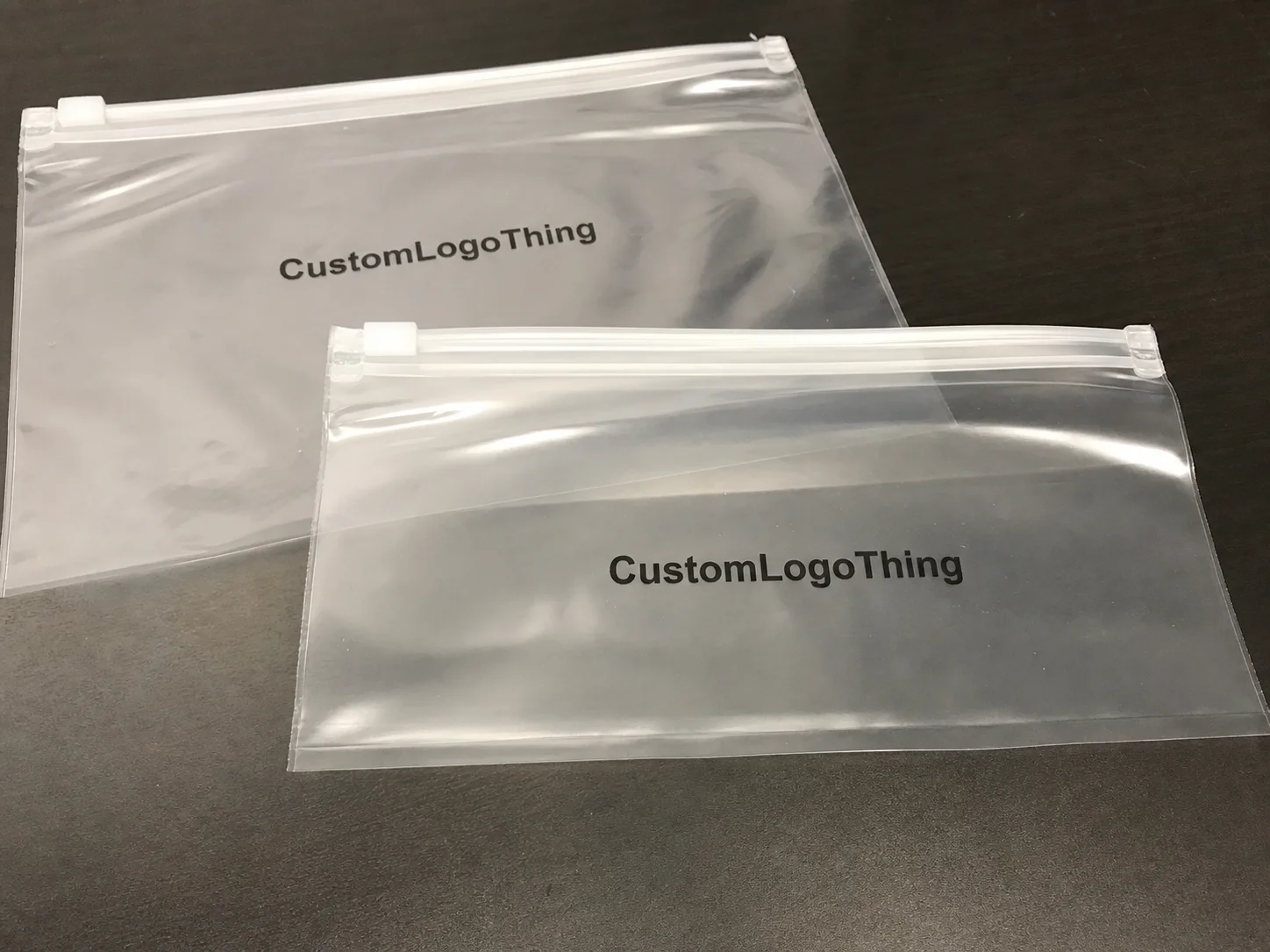
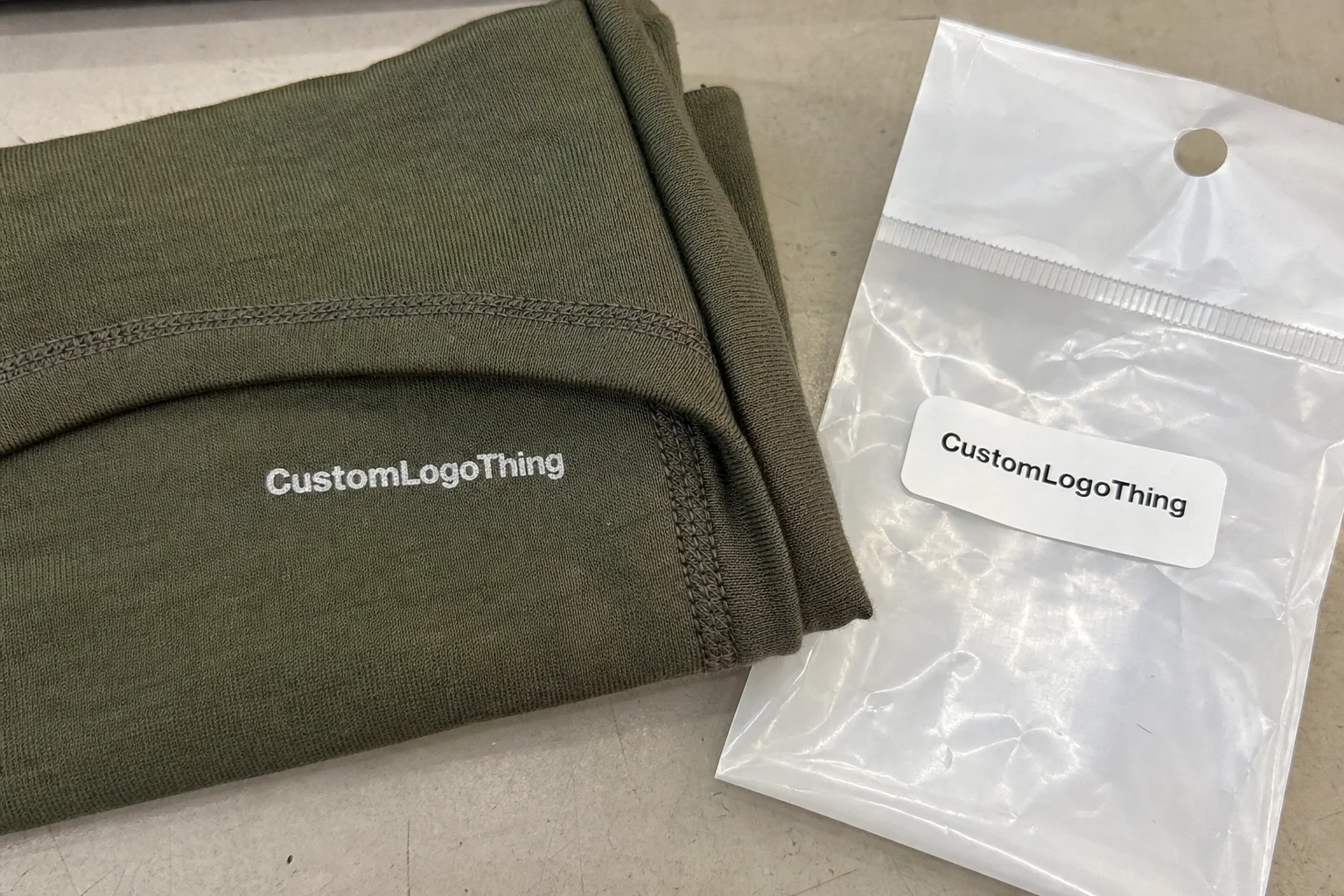
Buyer Fit Snapshot
| Best fit | Custom Bamboo Charcoal Bags Eco Friendly projects where brand print, material claims, artwork control, MOQ, and repeat-order consistency need to be specified before quoting. |
|---|---|
| Quote inputs | Share finished size, material target, print colors, finish, packing count, annual reorder estimate, ship-to region, and any compliance wording. |
| Proofing check | Approve dieline scale, logo placement, barcode or warning zones, color tolerance, closure strength, and carton packing before bulk production. |
| Main risk | Vague material claims, crowded artwork, missing packing details, or unclear freight terms can make a low unit price expensive after revisions. |
Fast answer: Custom Bamboo Charcoal Bags Eco Friendly: Film, Print, MOQ, and Carton Packing should be specified like a repeatable production item. The safest quote records material, print method, finish, artwork proof, packing count, and reorder notes in one written spec.
Production checks before approval
Compare the actual filled-product size with the drawing, then confirm tolerance on folds, seals, hang holes, label areas, and retail display edges. Reserve space for logos, QR codes, warning copy, and material claims before decorative graphics fill the panel.
Quote comparison points
Review material grade, print process, finish, sampling route, tooling charges, carton quantity, and freight assumptions side by side. A quote is only useful when the supplier can repeat the same color, closure quality, and packing count on the next order.
Custom bamboo charcoal bags eco friendly products are one of those Packaging Ideas That look almost too simple to matter. Then you put them through a real retail test and realize they can carry a brand harder than a lot of expensive nonsense. I’ve seen a $1.80 pouch with a 100g fill weight and a one-color screen print outsell a prettier-looking $6 gift item because the customer actually knew what to do with it. That’s the funny part. Custom bamboo charcoal bags Eco Friendly Branding works when the product, the pouch, and the instructions all pull in the same direction, especially when the packaging lands at a realistic $0.92 per unit for 5,000 pieces.
I remember a factory visit in Dongguan, Guangdong, where a buyer insisted on a glossy outer sleeve with zero ventilation for a charcoal product. Great for a shelf photo. Awful for performance. The thing smelled like a marketing department had bullied it into silence. That day stuck with me. Custom Bamboo Charcoal Bags eco friendly options need smart packaging design, not just a nice logo slapped on a bag and a prayer. And yes, the factory team in Dongguan knew it before the buyer did.
If you sell wellness items, hospitality kits, home goods, or promotional products, custom bamboo charcoal bags Eco Friendly Packaging can be a very practical line item. The product is reusable, the presentation can look premium, and the landed cost is often far more manageable than people assume. But only if you know what you’re buying, what you’re printing, and how the supplier is actually making it in cities like Shenzhen, Guangzhou, or Yiwu. Otherwise you’re just paying for a pretty headache, usually with a 15% margin leak attached.
Custom Bamboo Charcoal Bags Eco Friendly: What They Are and Why Brands Use Them
At the product level, Custom Bamboo Charcoal Bags Eco friendly items are reusable pouches filled with bamboo charcoal, usually sold for odor control and moisture management in enclosed spaces. The pouch itself might be cotton, nonwoven fabric, linen, or a blended textile, and the outside can be branded with a logo, woven label, screen print, or full-color insert packaging. That distinction matters. A lot of buyers search for the bag, but the actual customer experience is shaped by the outer pouch, insert card, retail packaging, and package branding. A 180gsm cotton pouch behaves very differently from a 120gsm nonwoven pouch, and customers feel that difference in the hand within three seconds.
I’ve watched brands spend 80% of their effort on the inner fill and then forget that the consumer sees the packaging first. That’s backwards. In retail packaging, first impression often decides whether a product feels like a $9.99 impulse buy or a cheap commodity item. Custom bamboo charcoal bags Eco Friendly Packaging gives you a chance to control that perception with low-cost details like a 250gsm recycled card insert, a kraft header card, or a clean one-color logo printed in soy-based ink. A 60 x 90mm care card can cost under $0.03 in volume, which is a lot cheaper than losing a customer to confusion.
Why do brands keep choosing custom bamboo charcoal bags eco friendly formats? Because they check a few boxes at once. They’re reusable. They create less waste than single-use air fresheners. They can be packed in recyclable or compostable outer materials. And they fit into branded packaging programs for retail, gifting, hospitality, wellness boxes, and subscription add-ons without looking random. That last point sounds small, but it isn’t. A product that feels like it belongs in the line usually sells better than one that was shoved in because somebody needed an “eco item” for a trade show in Las Vegas or a hotel launch in Singapore.
Here’s the honest bit: these are not magic odor nukes. If a supplier tells you custom bamboo charcoal bags eco friendly products will erase every smell in a car, a gym locker, and a teenager’s shoe at the same time, they are selling theater. Good results depend on bamboo charcoal quality, bag construction, fill weight, and how the customer uses it. I’d rather have a supplier say, “This handles mild to moderate odor control in closed spaces,” than one who promises moon dust. The latter sounds exciting for exactly twelve seconds and then becomes an angry email from a buyer in Chicago.
“The best charcoal bag I ever approved was not the prettiest sample. It was the one that used a 180gsm cotton pouch, tight stitching, and a simple one-color logo. It sold because it worked and looked honest.”
That was from a buyer meeting in Shenzhen where we compared three samples side by side. The fancy one had oversized print and loose seams. The plain one had better stitch density, better hand feel, and a more believable eco story. Custom bamboo charcoal bags eco friendly products live or die on those boring details, and boring details are what keep returns below 2%.
How Bamboo Charcoal Bags Work in Real Life
The basic mechanism is simple. Bamboo charcoal has a porous structure that can help absorb moisture and reduce certain odors in enclosed spaces. That structure creates a larger effective surface area than a smooth, dense material, which is why the product can be useful in closets, shoes, drawers, gym bags, and cars. It does not need hype. It needs correct expectations. Custom bamboo charcoal bags eco friendly products work because they are practical, not magical, and that practical use usually shows up in the first 7 to 14 days of customer use.
In real life, they do best in small, contained spaces. I’ve seen them perform well in hotel closets, Pilates studio lockers, sample-room shoe racks, pet supply gift sets, and drawer organizers. One client in the hospitality space added custom bamboo charcoal bags eco friendly pouches to welcome kits, and housekeeping loved them because the packaging was tidy, lightweight, and easy to store in cartons of 200 units. That kind of operational detail matters. Nobody wants a “sustainable” product that creates a storage headache. I certainly don’t, and neither does the person who has to count cartons at 7:40 a.m. in a back room in Manila or Miami.
They are not built for heavy industrial smells, spilled liquids, or environments with constant airflow. If someone is trying to deodorize a commercial kitchen or a wet basement, the product is simply the wrong tool. This is where bad claims backfire. Custom bamboo charcoal bags Eco Friendly Packaging should support the right use case with honest labeling: “for closets, shoes, drawers, and cars” works. “Removes every odor instantly” gets you returns and very rude emails, often from customers who paid $12.99 and expected a miracle.
Many versions can be refreshed by sunlight exposure. That’s not a gimmick. It’s part of the reuse story. The idea is that the bags can be placed in sunlight for a few hours so they can continue performing over time. I always recommend putting that instruction on the insert card, because customers rarely guess the recharge routine on their own. A 60 x 90mm instruction card costs very little, but it can save you a wave of low-star reviews from people who thought the product died after two weeks, usually around day 18.
From a packaging standpoint, breathable printed pouches matter. If the outer bag is sealed like a snack pouch, you’re fighting the product’s intended use. I’ve seen suppliers try to hide a charcoal bag inside a glossy laminated pouch with no hang hole, no window, and no instructions. Great if you want it to disappear into a warehouse. Terrible if you want it to sell in retail packaging. The better setup usually includes a breathable pouch, a hanging option, and a simple care card. Custom bamboo charcoal bags eco friendly products need users to understand how to use and refresh them, and the packaging has to do that job on shelf in under five seconds.
Key Factors That Affect Quality, Cost, and Sustainability
If you want custom bamboo charcoal bags eco friendly products to perform and still protect margin, you need to look at four things: fill quality, pouch construction, decoration, and packaging structure. People obsess over print color and ignore the fabric grade, which is like buying a suitcase because the handle looks nice. Not smart. Cute, maybe. Smart, no. A 350gsm C1S artboard insert is not the same as a flimsy 200gsm sheet, and the customer notices that difference when they open the box.
Material quality is the biggest driver. Bamboo charcoal source, pouch fabric, stitching, and closure type all affect perceived value. A 160gsm cotton pouch feels different from a 120gsm nonwoven pouch. A double-stitched seam holds up better than a rushed single pass. A drawstring closure with a metal tip reads differently than a loose cotton cord. I’ve handled samples where the fill was fine, but the seam allowance was so poor that the bag looked tired before it left the carton. Custom bamboo charcoal bags eco friendly Buyers Should Ask for seam photos, stitch density, and fill consistency, not just mockups. In Shenzhen, I once rejected a lot because the stitch count dropped to 5 stitches per centimeter on the corners; the sample looked fine until I pulled it open twice.
Printing options can move cost faster than people expect. Screen print is usually the most economical for one or two colors, especially on cotton or linen. Heat transfer can work for detailed graphics, but it often costs more and can feel less natural on eco-oriented products. Woven labels add a premium touch but increase setup. Full-color packaging, especially if you’re adding Custom Printed Boxes or a branded sleeve, changes the whole budget. For 5,000 units, I’ve seen a simple one-color print add about $0.06 to $0.14 per unit, while a more complex multi-step decoration package can push the increase to $0.25 or more depending on labor and setup. In one Guangzhou quote, a kraft sleeve plus one-color print added exactly $0.11 per unit, which was far easier to defend than a vague “premium finish” line item.
Eco claims need backup. If the bag uses recycled paper, ask for proof. If the card is FSC-certified, ask for the certificate or chain-of-custody documentation. If the outer wrap is compostable, ask what standard it actually meets and whether it’s industrial or home compostable. Don’t accept vague green language. It’s lazy, and customers can smell it a mile away. Helpful references are available from the FSC and the EPA recycling guidance, which are both useful if you’re trying to keep your sustainability claims grounded in something real. A supplier in Ningbo once sent me “eco” copy with no test report and no paper grade; that got deleted in 30 seconds.
Sizing and fill weight are where functionality and margin collide. Smaller bags cost less to make, but they may underperform. Larger bags increase material cost and shipping weight. In the samples I’ve approved, a 50g fill can work for a shoe bag or small drawer, while 100g to 200g is more appropriate for a larger closet or car use case. If you’re doing custom bamboo charcoal bags eco friendly sets for retail, I usually tell clients to test two sizes before placing a big order. A difference of $0.22 per unit sounds minor until you multiply it by 10,000 units and realize you’ve added $2,200 to the landed cost. That’s the kind of number that makes a finance person develop a facial twitch in a meeting in New York or Berlin.
Pricing drivers are not mysterious, just annoying in the way sourcing always is. Order quantity, print complexity, packaging inserts, freight, and testing fees all matter. A basic run of custom bamboo charcoal bags eco friendly units might land around $0.68 to $1.20 per unit at higher quantities, depending on fill, pouch material, and decoration. Add a printed insert card and you may tack on another $0.05 to $0.12. Add a custom mailer or rigid retail box, and the number changes again. That’s why I always ask suppliers for itemized quotes. If they give you one fuzzy number and nothing else, they’re hiding where the money goes. For example, one quote in Dongguan came back at $0.15 per unit for 5,000 pieces for the insert-only packaging layer, which is the kind of detail that lets you make an actual decision instead of a guess.
For general packaging standards and material questions, I also recommend reviewing the Institute of Packaging Professionals. It’s not glamorous reading, but it beats guessing. And guessing is expensive.
Step-by-Step Process for Custom Ordering Bamboo Charcoal Bags
Start with the use case. That sounds obvious, but I’ve seen too many teams Order Custom Bamboo charcoal bags eco friendly products before deciding whether they’re selling retail units, corporate gifts, hotel amenities, or Subscription Box Inserts. The use case drives everything else. A hospitality buyer will care about carton count and shelf stability. A retail brand will care about package branding and hang-shelf presentation. A Corporate Gifting Team may care more about logo visibility and bulk shipping. Same product, different priorities, and different factories in Guangzhou or Xiamen will quote them differently.
Once the use case is clear, choose the product specs. Size. Fill weight. Fabric. Closure. Branding method. Outer packaging format. I usually push clients to document all of that on one page because email chains turn into soup. For custom bamboo charcoal bags eco friendly orders, a clean spec sheet should include exact dimensions, target fill weight, print area, Pantone reference if needed, and whether the final pack needs a hang hole, zipper, or tuck flap. If you are also ordering Custom Packaging Products, keep the carton and insert details in the same file so the supplier doesn’t “forget” the retail presentation part. A 90 x 120mm pouch packed into a 350gsm C1S artboard sleeve behaves very differently from a simple polybag, and the factory Needs to Know that on day one.
Request samples before mass production whenever possible. Physical samples beat digital proofs every single time for texture, seam quality, closure behavior, and overall hand feel. A PDF cannot tell you if the drawstring jams or if the stitching puckers after the third pull. I learned that in a sample room in Shenzhen where three bags looked identical on screen and one of them sounded like ripping paper when I squeezed it. We rejected that one immediately. No drama. Just common sense. Custom bamboo charcoal bags eco friendly products need tactile approval, not just color approval, and samples usually take 5 to 7 business days if the fabric and fill are already in stock.
Lock the timeline early. A normal process usually runs through design proofing, sampling, production, quality check, packing, and shipping. For a straightforward order, I’d expect around 12 to 15 business days from proof approval to finished goods leaving the factory, assuming the materials are in stock. Add special inserts, Custom Printed Boxes, or unusual fabric, and the schedule stretches. Freight adds another layer. Air shipping is faster but can turn a nice margin into a sad spreadsheet. Sea freight is cheaper but requires patience and better inventory planning. Anyone promising instant production on a custom product is either new or lying, especially if they claim full assembly in under a week from a factory in Foshan.
Final inspection matters. Before you approve shipment, check logo placement, seam strength, fill consistency, carton counts, and the clarity of any usage instructions. I’ve had clients catch a 3mm logo shift that would have bothered a premium retail buyer. I’ve also seen whole batches pass because the product was well made and the presentation matched the mockup. That’s what you want. The product should arrive looking like the sample, not like its exhausted cousin, and the carton count should match the purchase order exactly.
One more practical point: ask whether the supplier follows relevant test standards. Depending on the market, you may need colorfastness, seam strength, or packaging durability checks. ISTA shipping methods are useful if your custom bamboo charcoal bags eco friendly products are being mailed in fragile retail packs. The ISTA site has solid guidance if you’re testing transit resistance and want to avoid crushed cartons showing up on a receiving dock. Shipping damage is not a personality trait. It’s a preventable problem, and it’s usually caught with a drop test plus a 24-hour carton compression check.
Common Mistakes Brands Make With Eco Friendly Charcoal Bags
The first mistake is obvious: choosing the cheapest fill material and then acting shocked when the product underperforms. Custom bamboo charcoal bags eco friendly buyers sometimes focus so hard on the unit price that they miss the reason the product exists. If the charcoal grade is weak, the pouch leaks dust, or the fill weight is too low, customer satisfaction tanks. Saving $0.08 per unit is not a victory if it creates $8,000 worth of complaints, and I’ve seen that happen on orders out of Yiwu and Dongguan more than once.
The second mistake is overclaiming. I’ve seen packaging that says things like “kills all odors instantly” or “removes every smell forever,” and that is exactly the kind of language that gets you complaints, compliance headaches, or just a pile of angry reviews. Honest claims are stronger. “Helps reduce odors in closets, shoes, and cars” is believable. Custom bamboo charcoal bags Eco Friendly Packaging should sound like a useful product, not a fake miracle, and the copy should fit on a 60 x 90mm insert without reading like a hostage note.
The third mistake is ignoring presentation. A decent product in a bland pouch looks like stock inventory. That’s fine if you’re selling commodity goods and your margin model is built that way. It is not fine if you want retail pricing. Packaging design matters. A simple kraft sleeve, a clean logo, and a well-proportioned insert can make custom bamboo charcoal bags eco friendly products look intentional. Brand value lives in those choices. It’s not just decoration. It’s the difference between “cheap add-on” and “thoughtful branded item,” especially in stores where the shelf price is $11.99 or higher.
The fourth mistake is skipping instructions. No recharge guidance. No care info. No usage note. Then customer support gets flooded because people think the product stopped working after 30 days. I’ve watched this happen with a client who saved $0.03 by removing the insert card. That was an expensive three cents. Custom bamboo charcoal bags eco friendly buyers should always budget for a small instruction card, even if the rest of the packaging is minimal, and the factory should place it in every individual unit rather than in the outer carton.
The fifth mistake is miscalculating landed cost. Product price is only one piece. Decoration, packaging, freight, duties, breakage, inspection, and warehouse handling all belong in the math. If you’re quoting a retail customer or building an internal margin plan, leaving out $0.14 for freight or $0.09 for inserts can wreck your numbers. I’ve watched otherwise smart teams get excited about a factory quote and then discover the real cost after shipping was 28% higher than expected. That’s not a surprise. That’s a self-inflicted wound, usually from skipping the spreadsheet until after the PO is signed.
Expert Tips for Better Results, Better Margin, and Better Branding
If you want custom bamboo charcoal bags eco friendly products to look polished without blowing the budget, keep the design clean. One bold brand color. One logo placement. One short benefit statement. That usually beats a cluttered layout with seven icons and a paragraph of green buzzwords. Customers do not need a philosophy essay on a pouch. They need to know what it is, how it works, and why it belongs in their closet or gift set. A one-color screen print on a 160gsm cotton pouch is often enough to look credible in retail packaging.
For eco credibility, pair the bag with recycled insert cards, soy-based inks, or minimal outer packaging rather than just sprinkling on environmental language. I’ve seen brands pay for recycled paper but then print ten-line essays on every side of a box. That’s not minimal. That’s just expensive guilt. Custom bamboo charcoal bags Eco Friendly Packaging should look like it was designed with restraint. Clean white space can do more for trust than another leaf icon ever will, especially on a 350gsm C1S artboard retail sleeve or header card.
Ask suppliers for actual factory photos or videos of stitching, filling, and packing. I learned this lesson after a very polished mockup hid a seam problem that only showed up when the bag was overfilled by 8 grams. The sample looked good in a render. In the factory in Foshan, the bottom gusset split under pressure. Since then, I always ask for real footage from the production line. If a supplier can’t show you the process, I assume they’re hiding something or they don’t control it well. Neither is comforting, and neither should pass a sourcing review.
Plan for reorder flexibility. A spec that works at 1,000 pieces should also be realistic at 10,000 pieces without forcing a redesign. That means standardizing fabric widths, print methods, and packaging inserts where possible. If you build custom bamboo charcoal bags eco friendly products around a weirdly specific material only one supplier can source, you’re creating future friction. I’ve watched buyers get trapped by a lovely but unavailable fabric from one small mill in Zhejiang. Lovely doesn’t ship. Standardized does, and it usually ships within 12 to 15 business days once the proof is approved.
Build in a margin buffer. Freight and packaging surprises happen. Customs inspections happen. Carton damage happens. Anyone pretending otherwise is selling fantasy. I usually tell clients to reserve at least 8% to 12% of the estimated landed cost as buffer if the order is shipping internationally and has multiple packaging components. That cushion has saved more launches than any “perfect quote” ever has. Custom bamboo charcoal bags eco friendly products can be profitable, but only if you respect the boring math and the real world.
One more thing: make sure the product Fits Your Brand position. If you sell luxury home fragrance, a rough-looking charcoal bag will clash with the rest of the line. If your brand is more utilitarian and value-driven, a simple cotton pouch may be exactly right. Product packaging should match the customer’s expectations. That sounds basic because it is. Yet I still see elegant skincare brands using rough packaging and athletic brands overcomplicating simple items. Package branding has to feel like the same voice as the rest of the line, whether you’re shipping from Shenzhen or selling in Austin.
“My best-margin order was a custom bamboo charcoal bag set with a one-color screen print, FSC insert card, and kraft belly band. Nothing fancy. Just well matched to the brand and priced at $0.92 per unit landed.”
Next Steps: How to Source, Test, and Launch Your Custom Bags
Start with a one-page spec sheet. Put the size, fill weight, material, logo file, packaging style, quantity, and target budget in one place. If you can’t explain the order in one page, your supplier is going to guess. Guessing is how you end up with the wrong pouch, the wrong insert, or the wrong carton count. Custom bamboo charcoal bags eco friendly projects move faster when the brief is tight and the decisions are already made, and I’ve seen a clean brief shave 2 full days off proofing.
Ask for two quotes. One for the standard spec. One for upgraded eco packaging. That comparison gives you a real cost delta instead of a vague “premium upgrade” pitch. I like to see the difference between a basic recycled-card insert and a full printed retail box because it tells me whether the design choice is worth it. Sometimes the box adds $0.31 per unit and genuinely improves retail shelf performance. Sometimes it just burns margin for no reason. The numbers tell the truth better than the mood board, especially when the supplier is in Guangzhou and the buyer is in London.
Order samples and run a simple test. Check odor use case, shelf appearance, customer handling, and recharge instructions. Put the sample in a shoe, a closet, and a car for a week. See whether the pouch feels durable. See whether the logo holds up after handling. See whether the insert card is actually understandable. I’ve done this with clients in a back office using only a window ledge and a notepad. Not glamorous. Very effective. Custom bamboo charcoal bags eco friendly products should survive a basic reality check before anyone scales them, and a 7-day trial is usually enough to spot weak instructions or poor stitching.
Review the timeline with your supplier before you approve production. Get proofing, sampling, production, and shipping windows in writing. If they say “about two weeks,” ask what that means in business days and whether it includes packaging assembly. A factory that does the fill and the printing in separate lines may need extra time. If you’re adding Custom Printed Boxes or polybags, the schedule changes again. Clear timing prevents the panic emails that always arrive on Friday afternoon, usually after 4:30 p.m. when no one wants to hear about missing cartons.
Launch with a small batch first. Then use customer feedback to adjust sizing, print placement, and packaging inserts before scaling. I know some teams want to go straight to a 20,000-unit run because they like seeing a dramatic unit price drop. Fine, but I’ve also watched big first orders create expensive mistakes at scale. A test batch of 500 to 1,500 units can expose bad instructions, awkward sizing, or shelf presentation issues before they become costly. Custom bamboo charcoal bags eco friendly products are much easier to refine when you’re not buried under a mountain of inventory in a warehouse in Los Angeles or Rotterdam.
If you want a product that blends utility, shelf appeal, and credible sustainability, custom bamboo charcoal bags eco friendly options can absolutely do that. I’ve seen them work in retail, hospitality, gifting, and branded packaging programs when the spec is tight and the supplier is honest. The key is simple: buy the right fill, Choose the Right pouch, print with restraint, and package the product like you respect the customer. That’s how custom bamboo charcoal bags eco friendly products stop being “just another item” and start acting like a real brand asset, with real margins and real repeat orders. Start with a sample, verify the claims, and build the final pack around how customers Will Actually Use it.
Custom Bamboo Charcoal Bags Eco Friendly: decision table
| Decision area | Best fit | What to verify | Risk if skipped |
|---|---|---|---|
| Film or paper thickness | Apparel, accessories, lightweight goods, and subscription boxes | Micron/GSM, seal strength, opacity, and puncture resistance | Thin material wrinkles, tears, or makes the brand feel low value |
| Closure and format | Self-seal mailers, gusset bags, zipper pouches, or drawstring bags | Opening size, resealability, hanging hole, and packing sequence | Wrong format creates returns, repacking, or poor display |
| Print area | Logo visibility and required compliance copy | Ink holdout, color contrast, barcode space, and proof approval | Artwork looks fine flat but disappears once the bag is filled |
FAQs
How do custom bamboo charcoal bags eco friendly options actually reduce odor?
Answer: The porous charcoal structure can absorb moisture and help reduce certain odors in enclosed spaces. They Work Best in small, contained areas like shoes, closets, drawers, and cars. Most products should be refreshed periodically in sunlight to maintain performance. Custom bamboo charcoal bags eco friendly products are best treated as a practical odor-control accessory, not a miracle fix, and users usually see the best results after 7 to 14 days of regular placement.
What is the typical cost of custom bamboo charcoal bags eco friendly packaging?
Answer: Price depends on fill weight, bag size, fabric, print method, and order quantity. Basic custom runs often cost less per unit at higher volumes, but freight and inserts can change the landed cost fast. Ask suppliers for itemized quotes so you can compare product cost, decoration, and packaging separately. For many projects, custom bamboo charcoal bags eco friendly units land somewhere around $0.68 to $1.20 each before heavier packaging upgrades, and a simple insert card may add $0.05 to $0.12.
What is the usual production timeline for custom bamboo charcoal bags eco friendly orders?
Answer: Timeline usually includes proofing, sampling, production, quality check, and shipping. Straightforward orders may move in about 12 to 15 business days after proof approval if materials are ready, while special inserts or upgraded packaging can add time. Always confirm the schedule before approving artwork so your launch date does not get ambushed by lead times. Custom bamboo charcoal bags eco friendly projects need a written timeline, not a hopeful guess, and it helps to confirm whether the factory is in Shenzhen, Dongguan, or Foshan.
What should I look for when choosing a supplier for custom bamboo charcoal bags eco friendly products?
Answer: Look for real samples, stitching quality, fill consistency, and clear material documentation. Ask for photos or videos from the factory, not just polished mockups. A good supplier should explain testing, minimum order quantities, and packaging options without dodging the details. If the supplier can’t discuss custom bamboo charcoal bags eco friendly construction in plain language, that’s usually a warning sign, especially if they can’t confirm fabric weight, print method, or carton count.
Can I use custom bamboo charcoal bags eco friendly products for retail gifting and corporate promotions?
Answer: Yes, they work well for retail, hospitality, wellness kits, and corporate gifts because they are reusable and easy to brand. Presentation matters: printed pouches, insert cards, and clean packaging make them feel premium. They are strongest as a practical gift with a clear use case, not just another random branded item. Custom bamboo charcoal bags Eco Friendly Packaging performs best when it looks intentional and feels useful, whether the order ships to Singapore, Dallas, or Paris.